| About | Home | Recent Activities |
|
The Strollers
|
||
|
Narrowboating |
River Cruises |
Travel |
| Cornwall | Morganeering | Copyright |

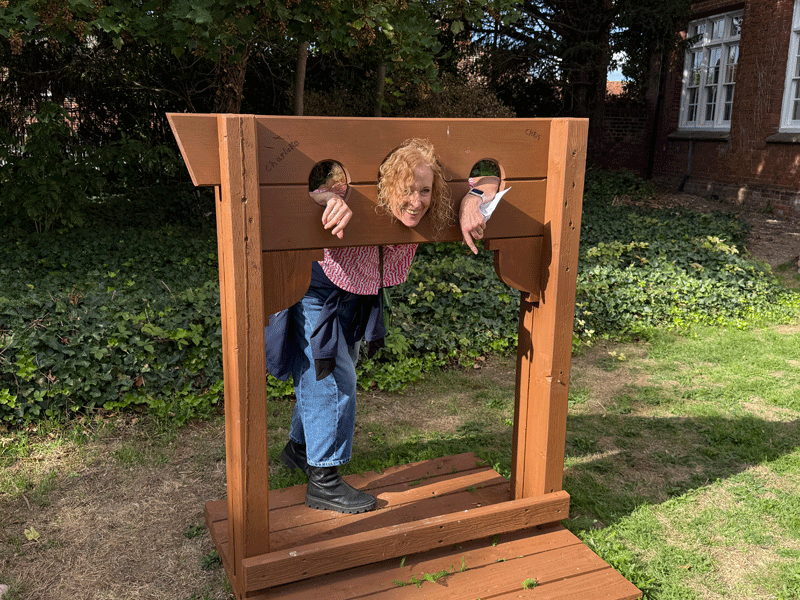
What more could you ask for? A fine day, a run out in the Morgan through beautiful countryside, an excellent lunch at a historic pub and a guided tour of the medieval town of Saffron Walden narrated by Anglemog's answer to Professor Alice Roberts, Lesley Willies? A word of warning though, do not cross the aforesaid lady or you might find yourself in the stocks! |
The saffron crocus (Crocus sativus) had a long history before it arrived to lend its name to Saffron Walden. From the first, saffron was used for various purposes, as a dye, medicinally and as a flavouring; later it was used to enhance gold decoration on medieval manuscripts. The Arabs probably introduced saffron to Spain:it spread within Europe as well as further eastward to India. Today it is a significant ingredient in Mediterranean and Indian cookery - and in the saffron buns baked in Cornwall and for St. Lucia's Day in Sweden. Saffron appeared in England at the time of Edward the Third (1327-1377). Tax records indicate saffron cultivation in Walden in 1444, but it was the 16th century that the town became the country's major centre for the production of the spice. Courtesy of Saffron Walden Tourist Information Centre |
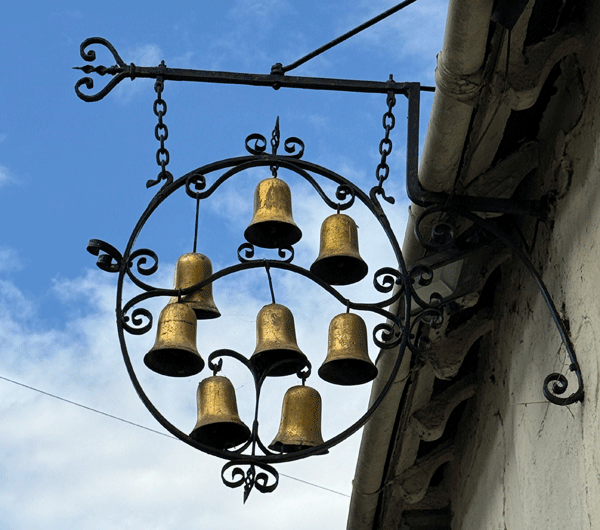
Guess the name of the pub
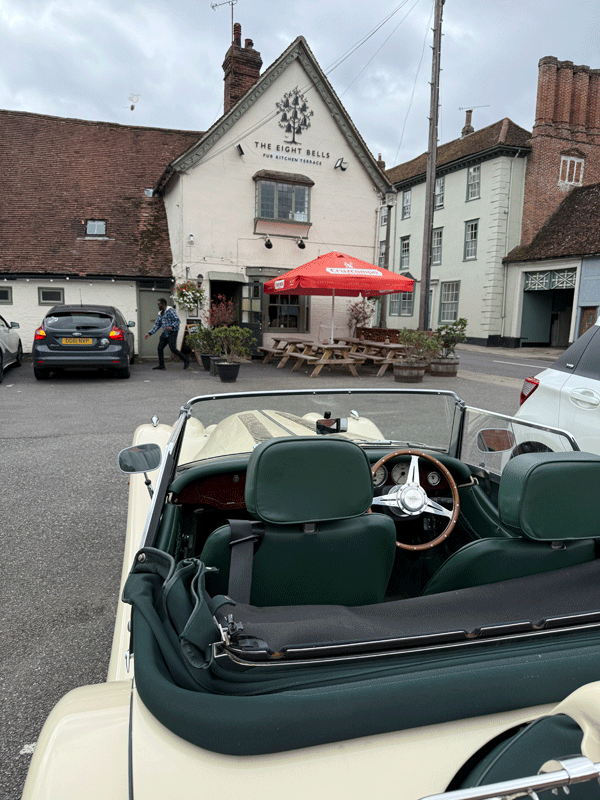
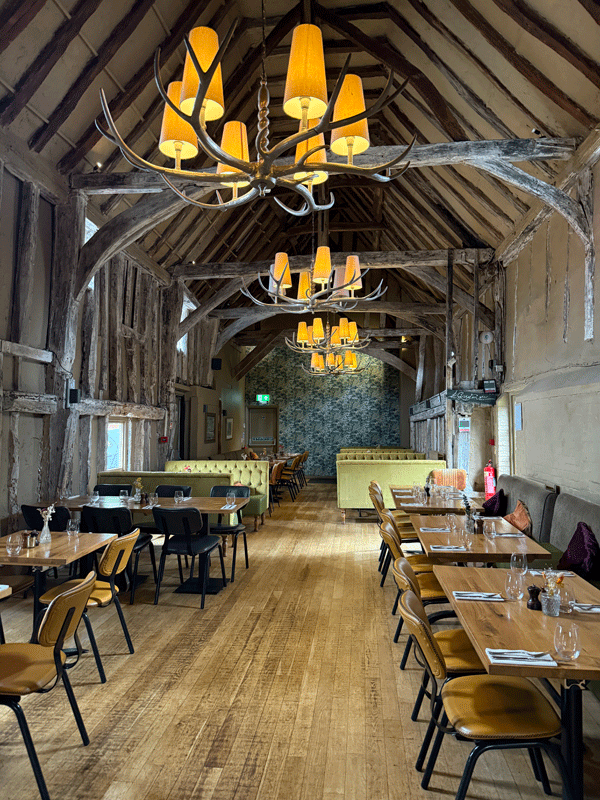
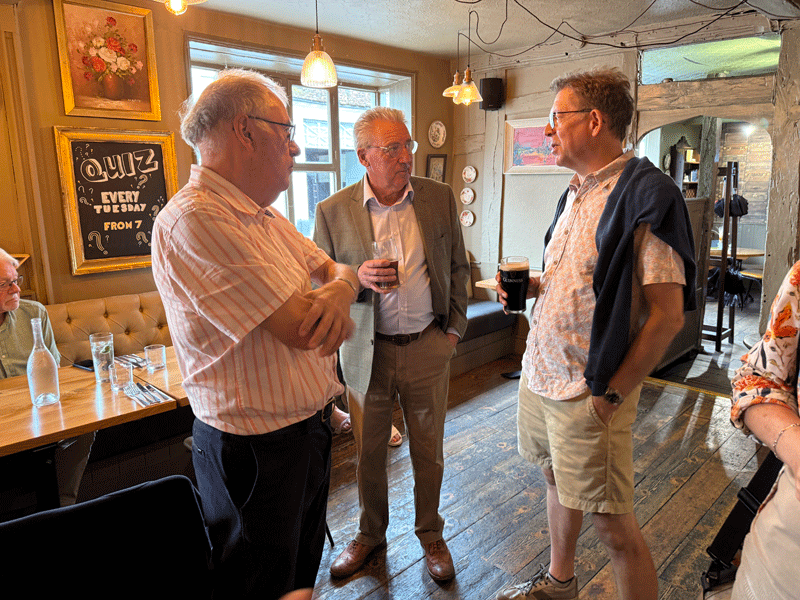
The Eight Bells, Saffron Walden
| The Eight Bells is one of twenty seven Grade II listed buildings in Saffron Walden and is an amalgam of different periods of building. The range at right angles to the road is 15th century whilst the street frontage is a 16th century addition. |
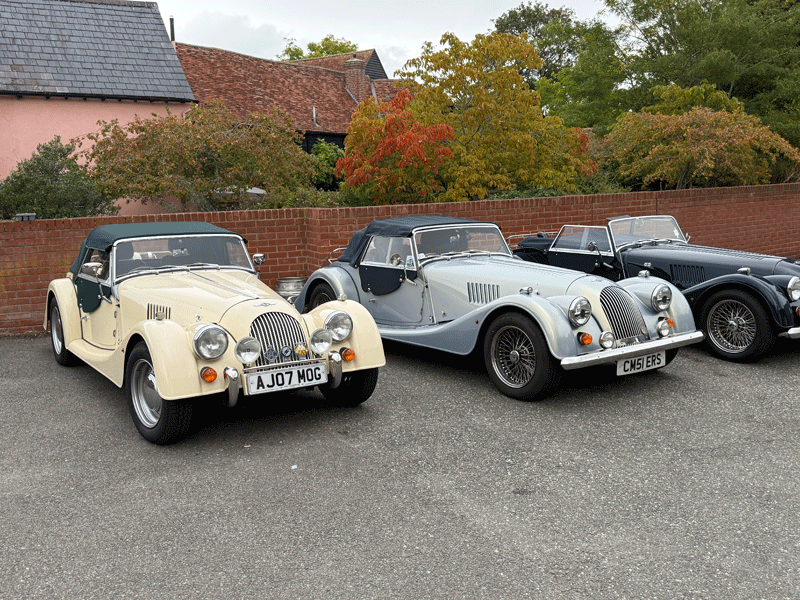
Late 16th century vehicles in the car park!
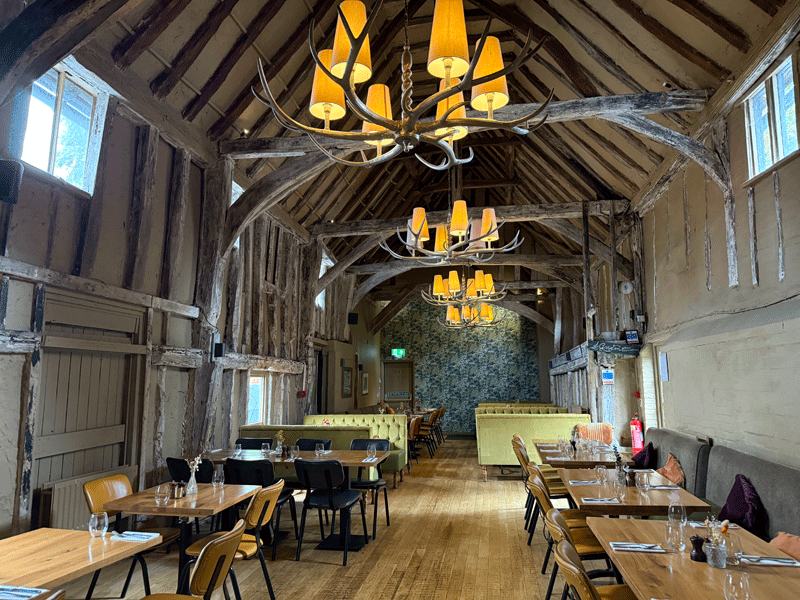
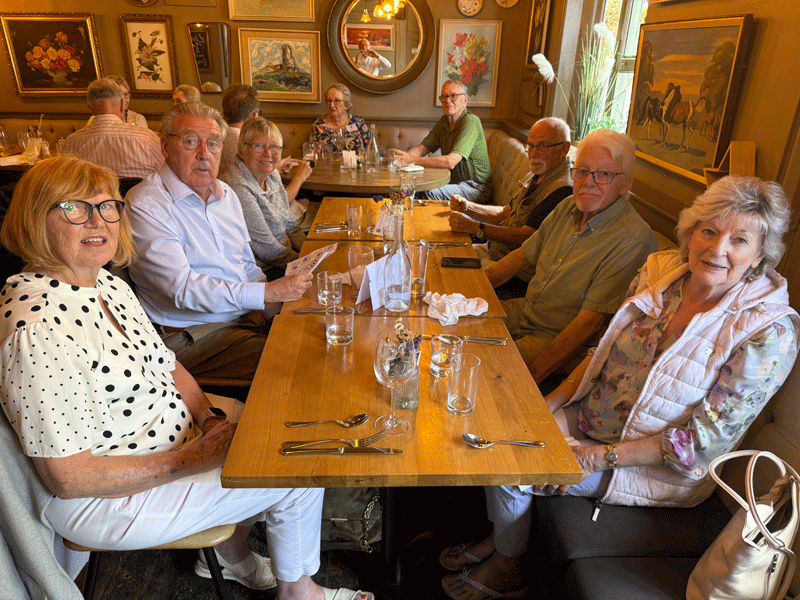
The main hall
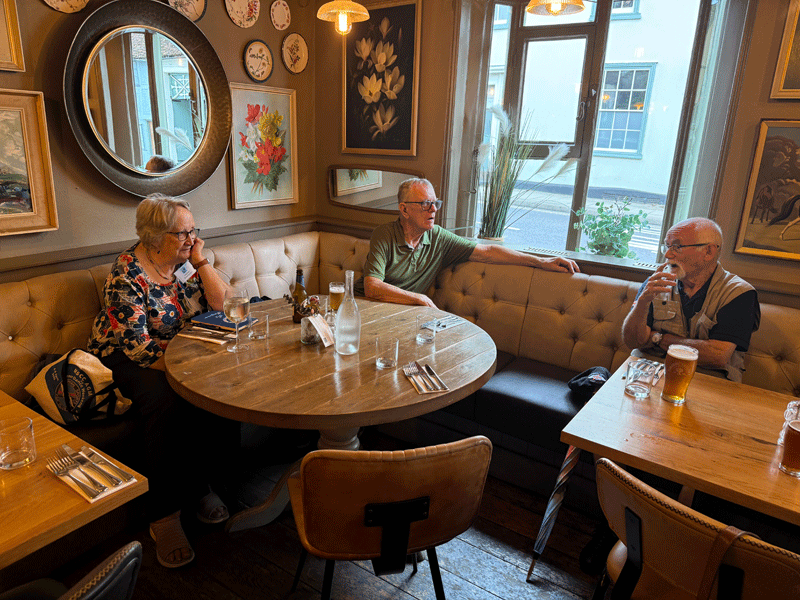
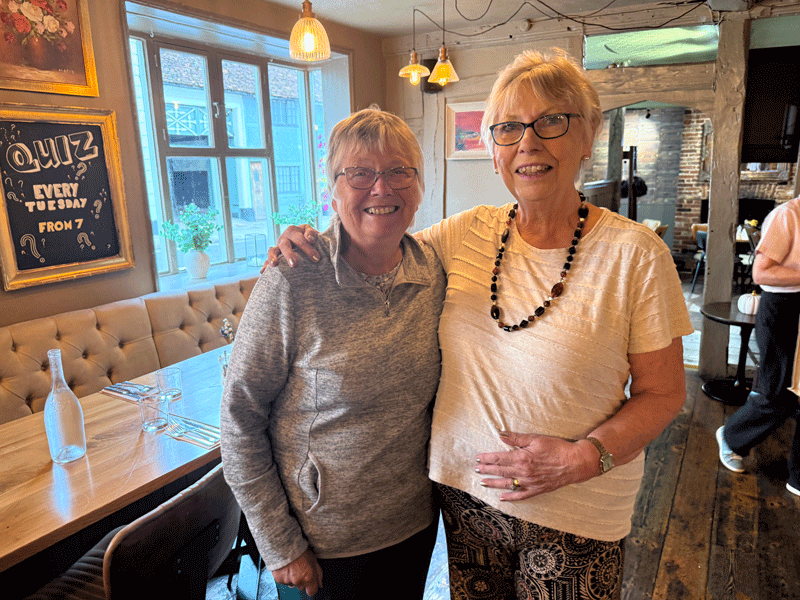
A delight to catch up with Cheryl after so many years
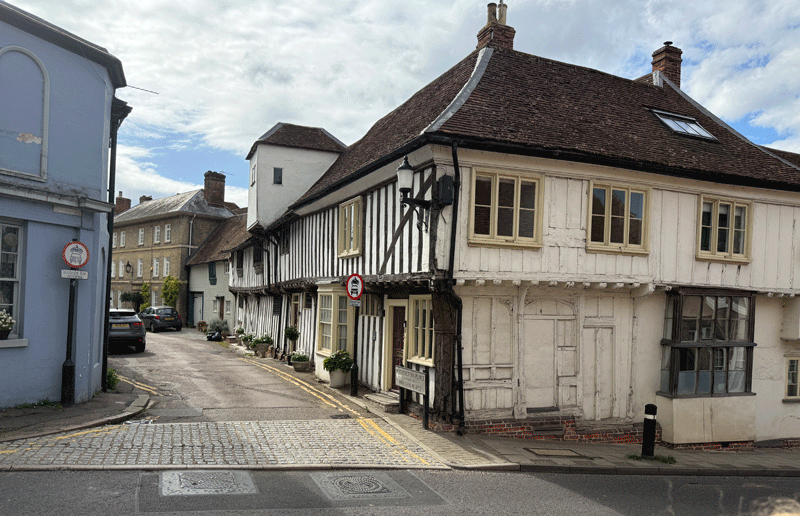
Myddylton Place and The Close Myddylton Place is Grade I listed and is the finest medieval building in the town. It was built as a combined shop, home and warehouse in the 1490's. There is a fine doorway into Bridge Street and a a carved dragon post on the corner. The sack hoist in the roof was added in the early 19th century when part of the building was converted into a malting. Diagonally across the road from Myddylton Place stands The Close, a fine late 15th century timber framed house with later additions including an unusual 17th century "Spider" window. |
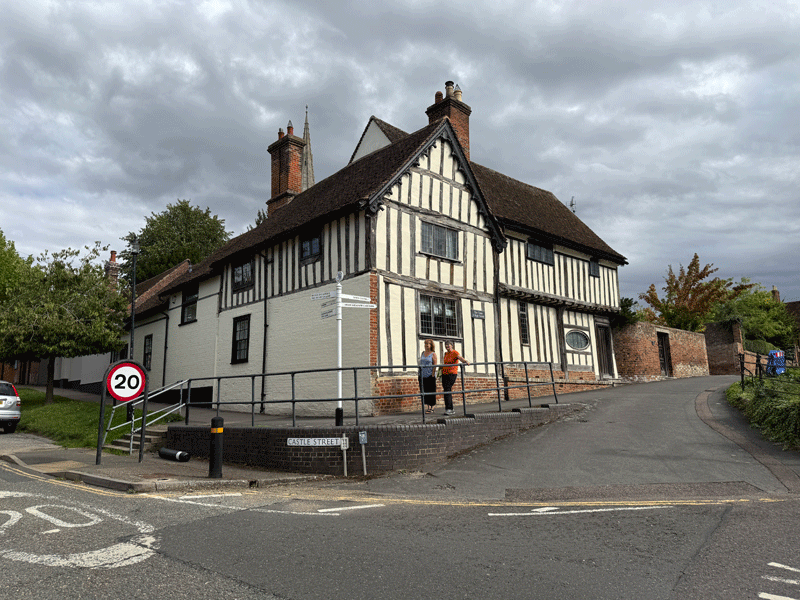
The Close
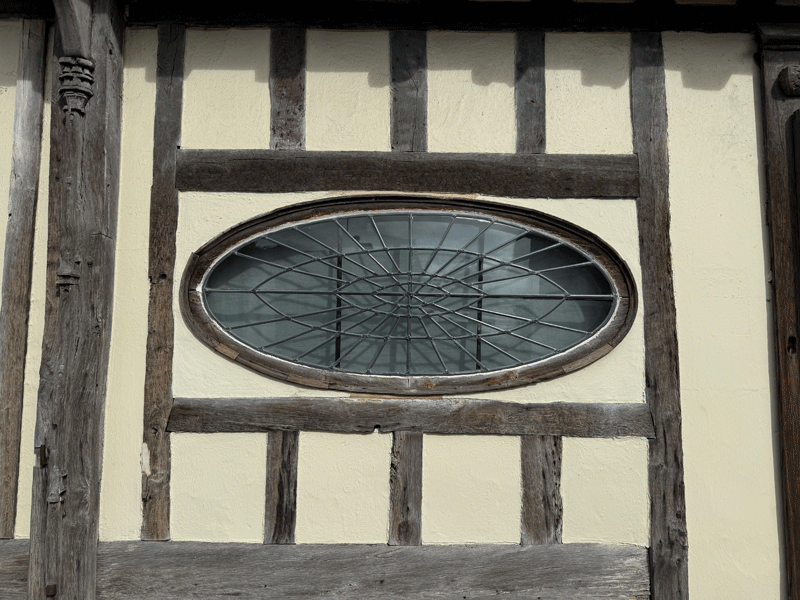
The Spider window
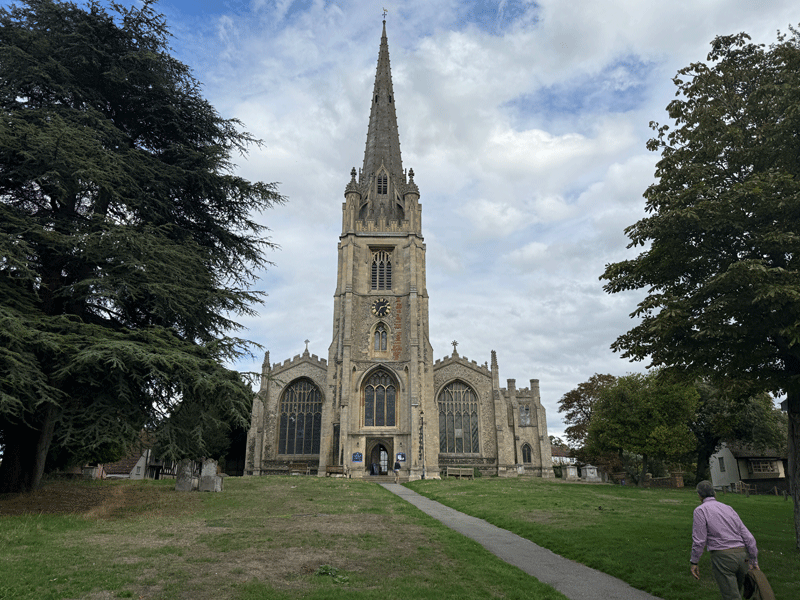
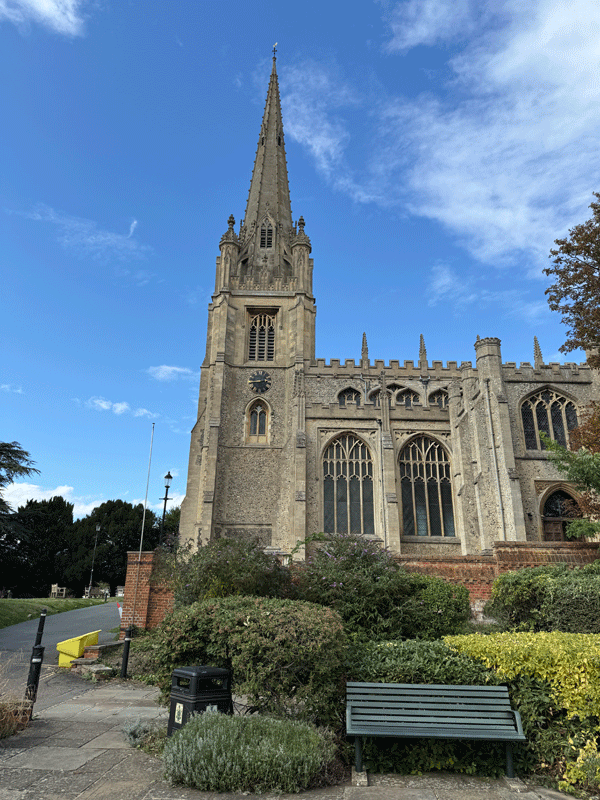
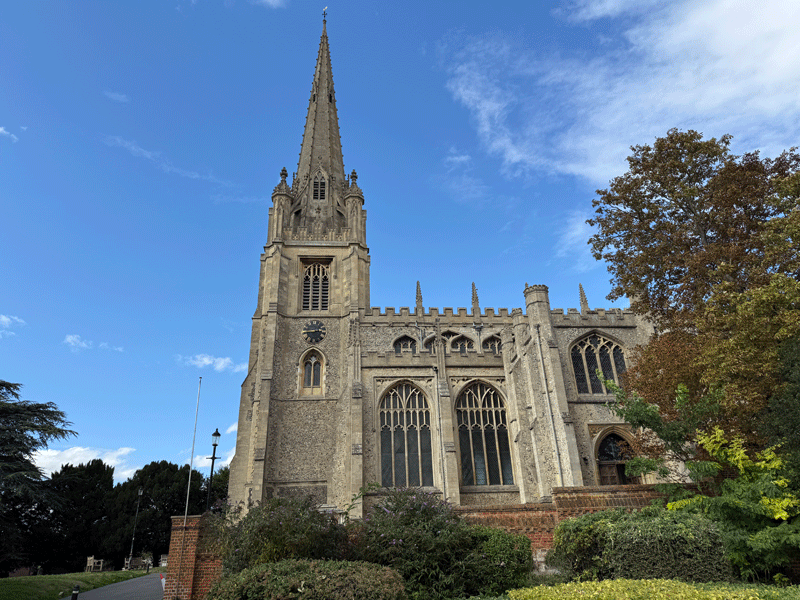
Parish Church of St Mary the Virgin This is the largest parish church in Essex and the earliest features date from 1250, but the majority of the church was rebuilt in the Perpendicular style between 1470 and 1525. The church size reflects the wealth of the town in the height of the saffron trade. |
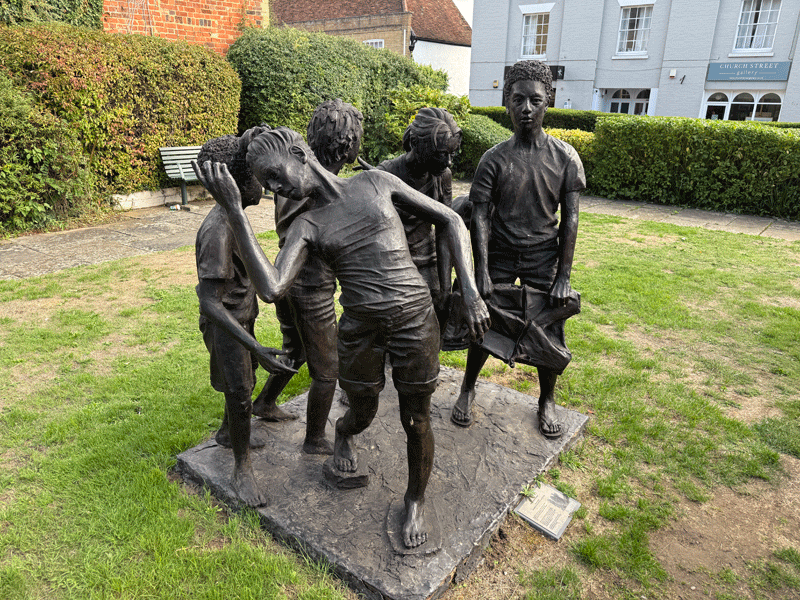
The Children of Calais by Ian Wolter
Unveiled on 8th June 2018 by Lord Alf Dubs
| The Children of Calais by Ian Wolter portrays six British children as refugees in the present migration crisis. Their poses echo Auguste Rodin's famous The Burghers of Calais completed in 1895. Rodin's solemn composition commemorates and event during the siege of Calais in 1347. The English King offered to spare the lives of the Calais citizens on condition that six of its burghers would surrender themselves. Although they expected to be executed the burghers lives were spare by the intervention of the English queen. |
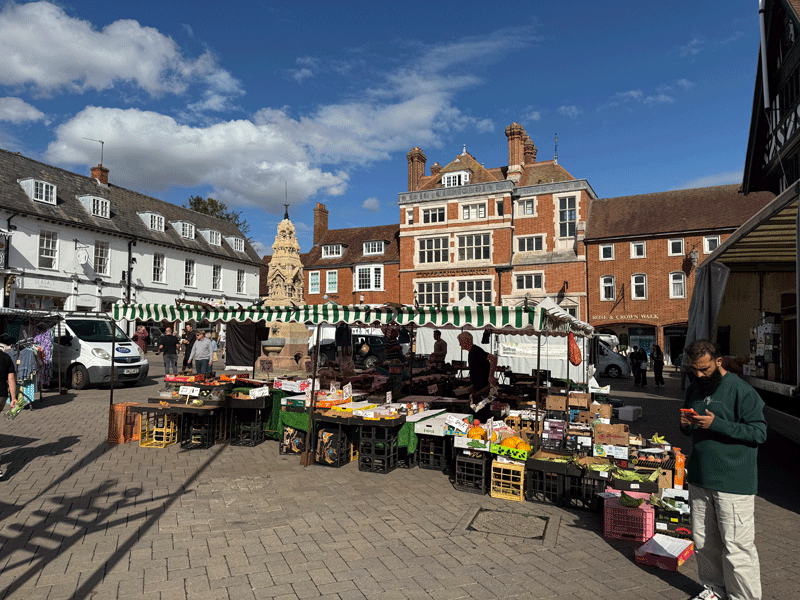
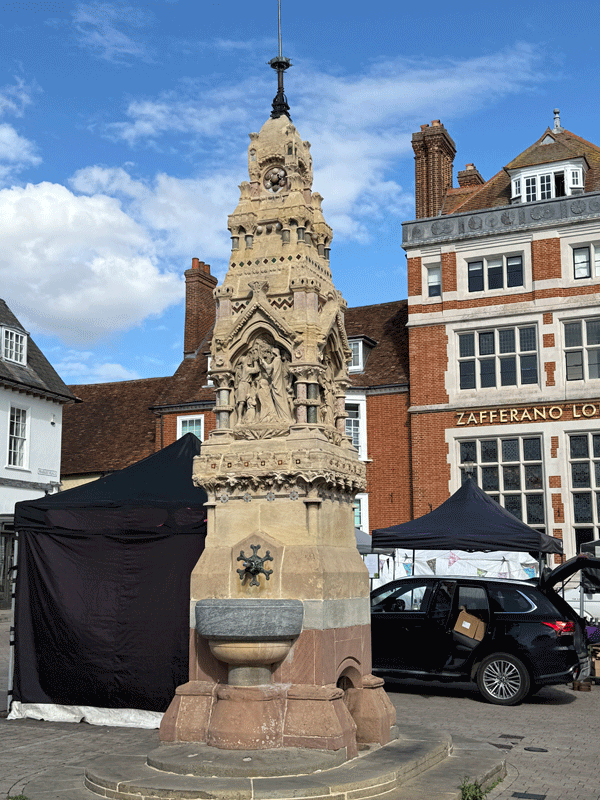
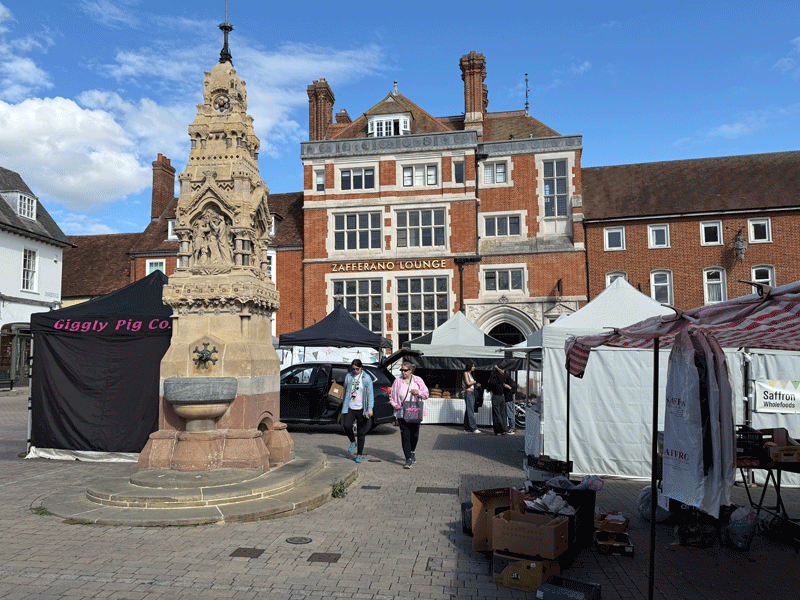
The market square
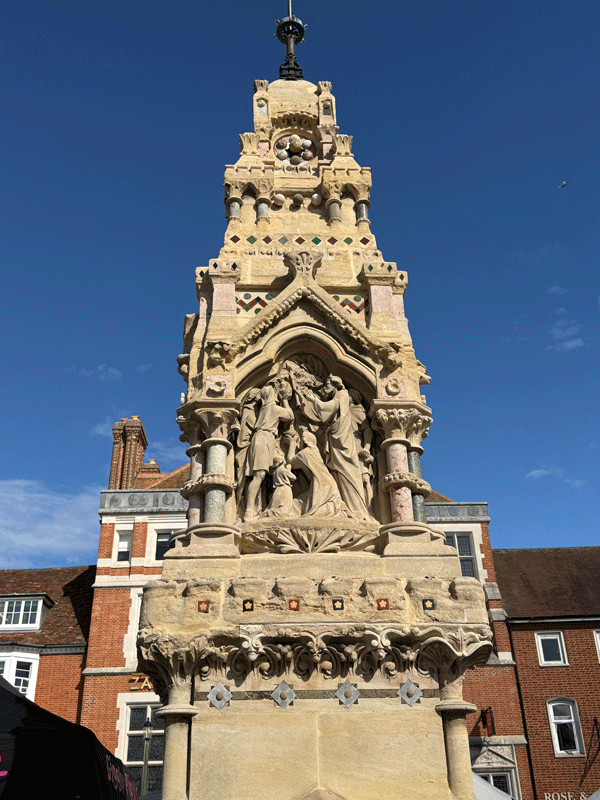
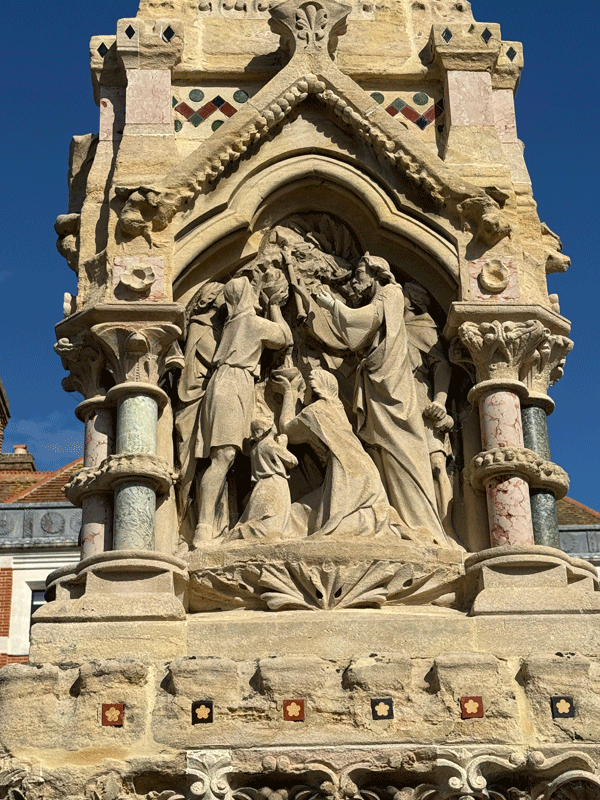
| The market is still held on Tuesdays and Saturdays as it has been since the 13th century. The Market Place is dominated by Victorian buildings. Barclays Bank was designed by Eden Nesfield as a bank for Gibson & Co in 1874. The stone portico and timber framed additions to the Georgian Town Hall were designed by Edward Burgess and were a gift to the town by George Stanley Gibson in1879. The drinking fountain was also a gift from the Gibson family in 1863 to commemorate the marriage of The Prince of Wales to Princess Alexandra of Denmark. The Library, once the Corn Exchange, is pf Italianate style designed by Richard Tress and completed in 1848. |
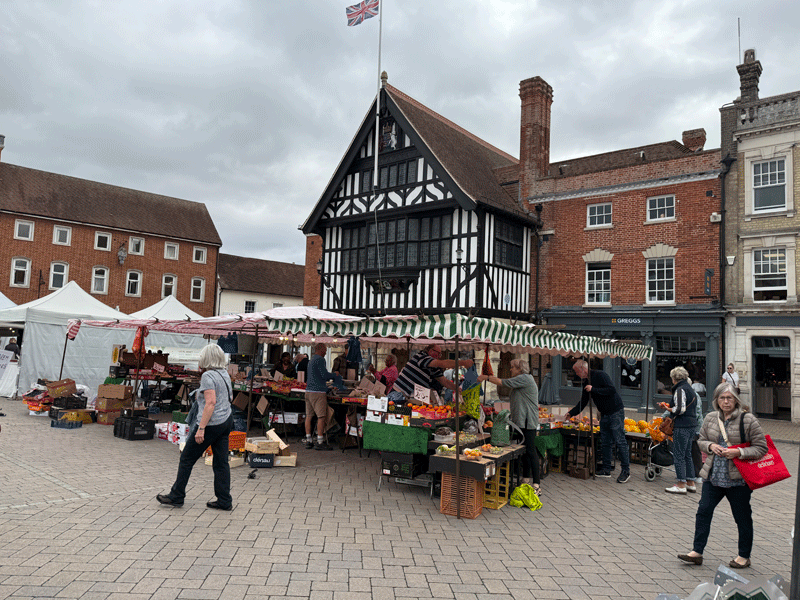
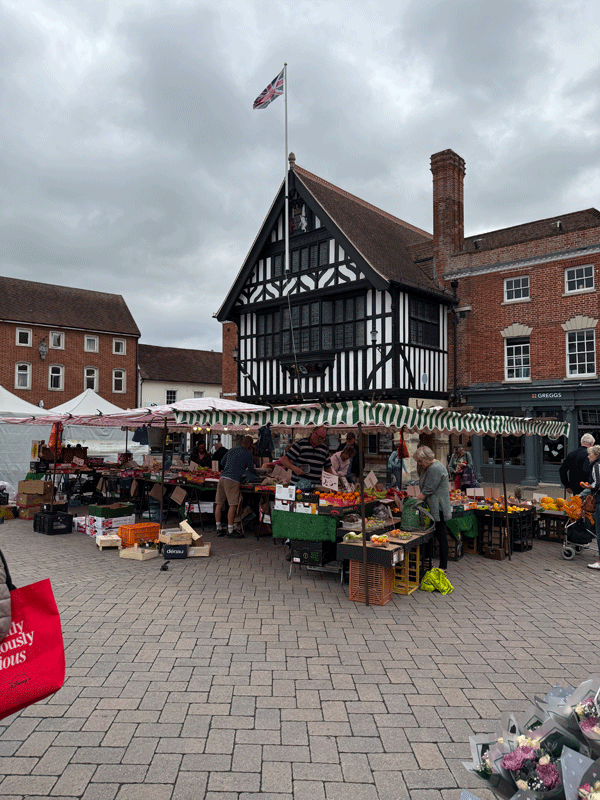
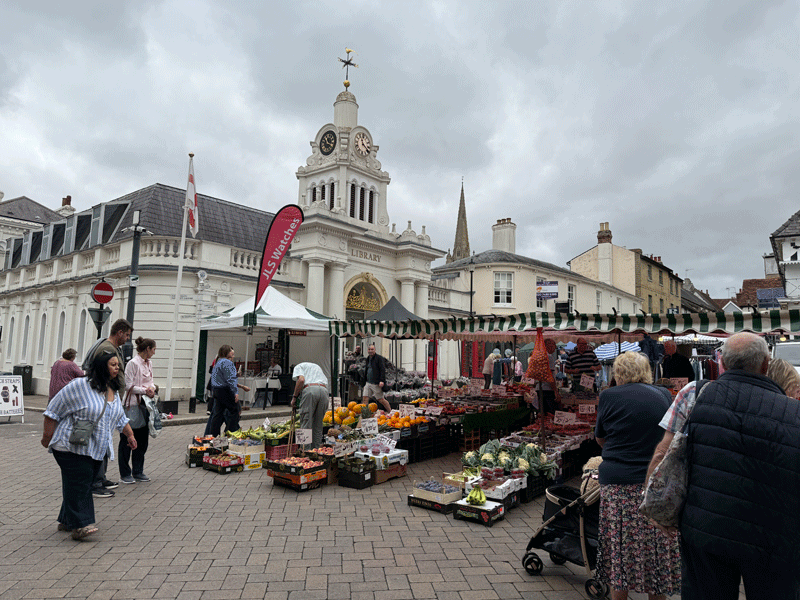
The Library
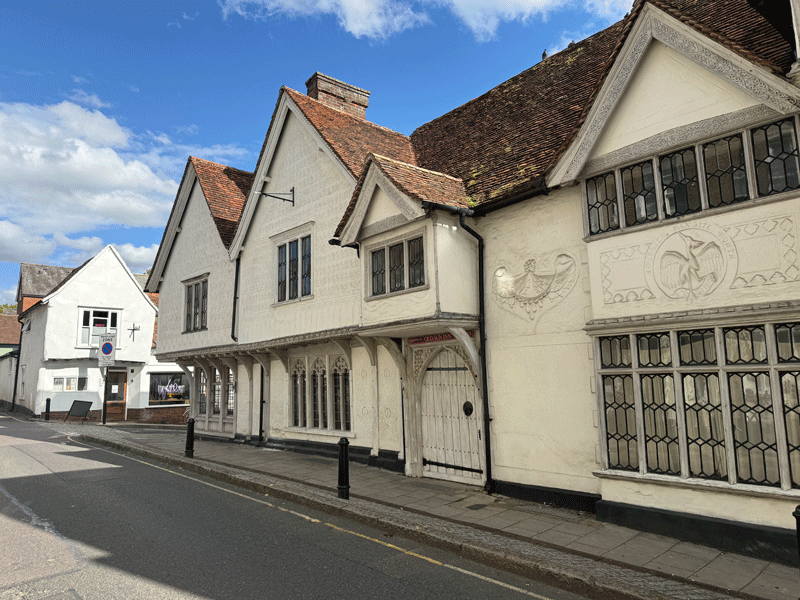
The Old Sun Inn features many different types of decorative plaster work called "pargetting"
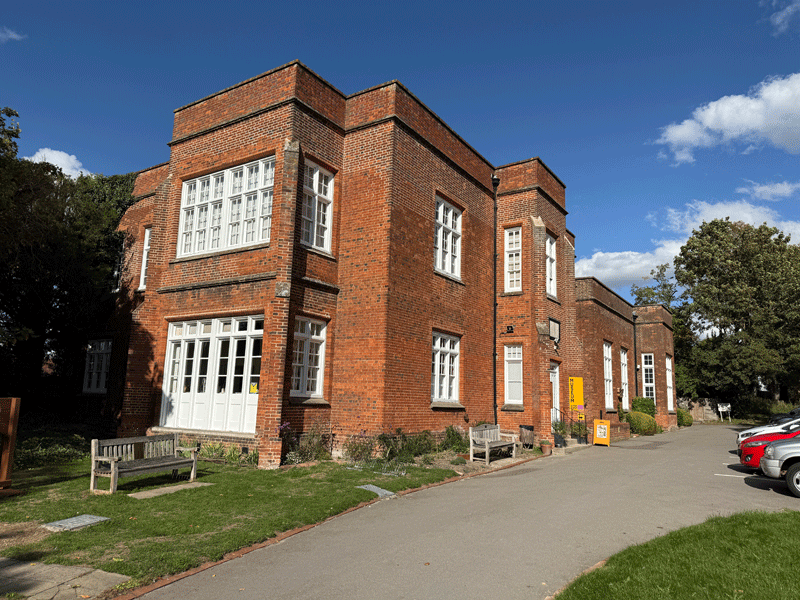
The Museum and Castle ruins
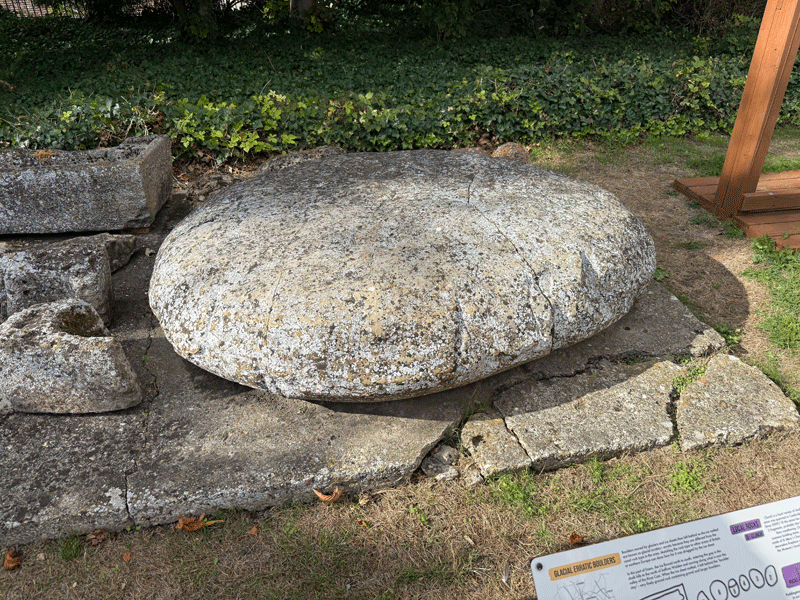
| Septarian nodule formed in the clay bed during the Jurassic period 200-145 million years ago. This boulder is from near Peterborough and was dragged here by the Anglian Ice Sheet which covered Britain 450,000 - 430,000 years ago |
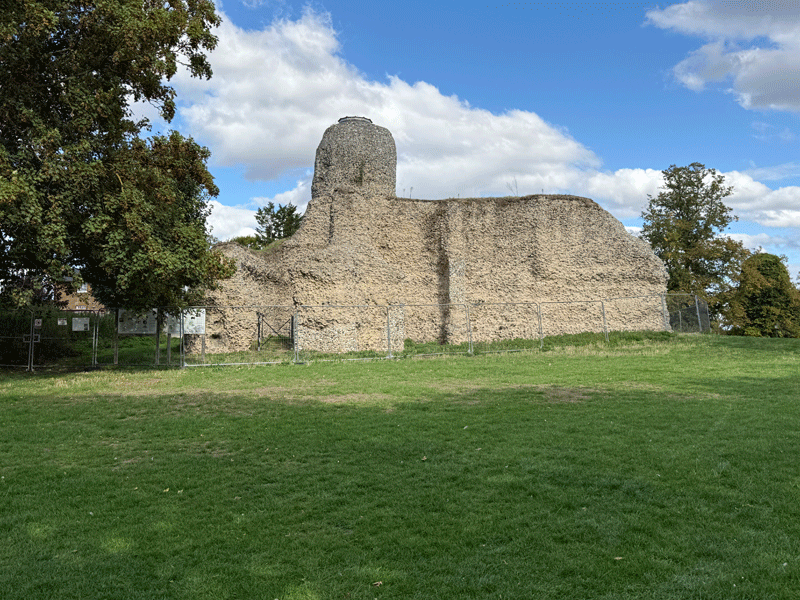
The Castle
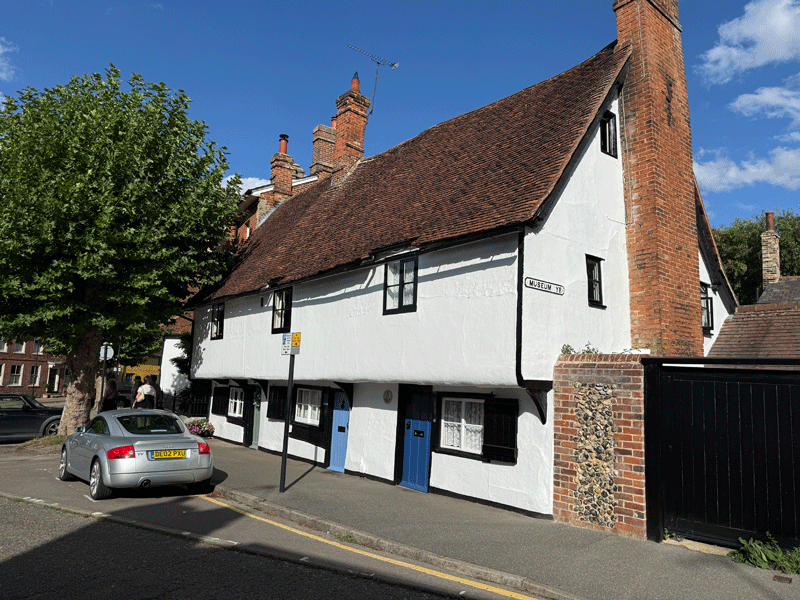
Museum Street
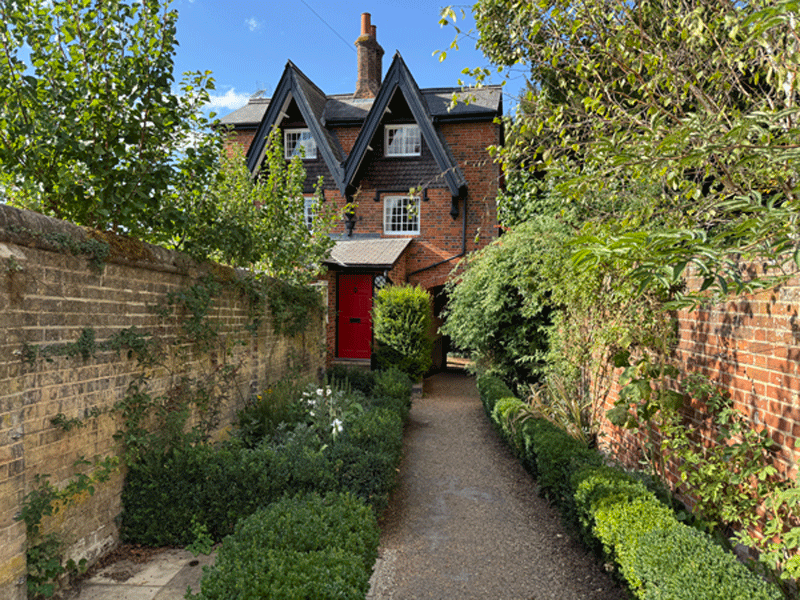
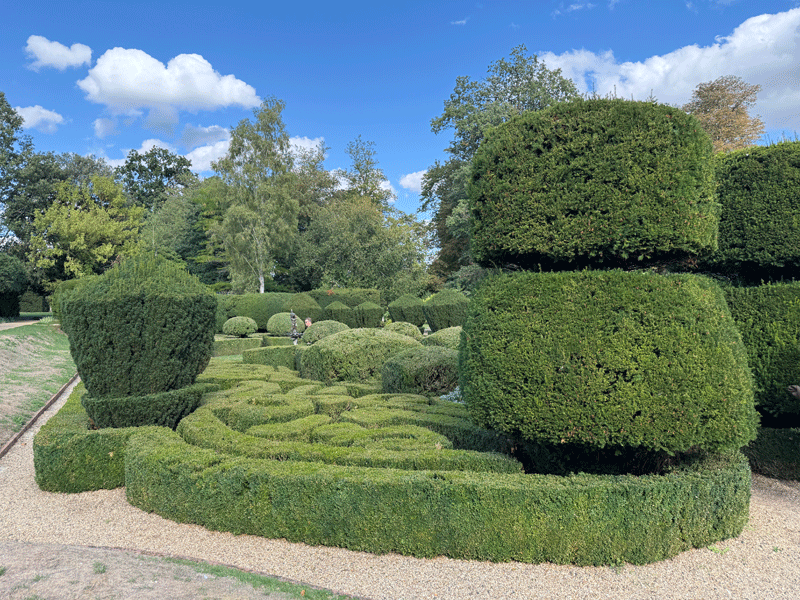
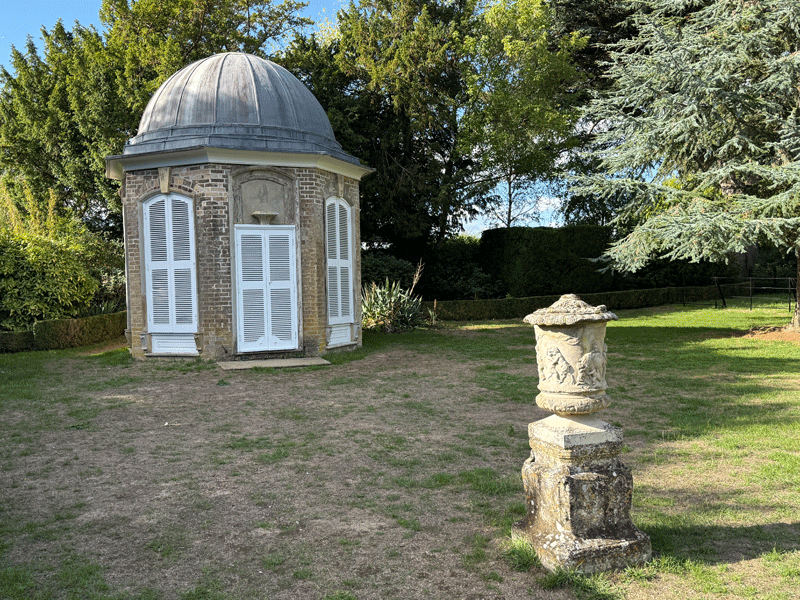
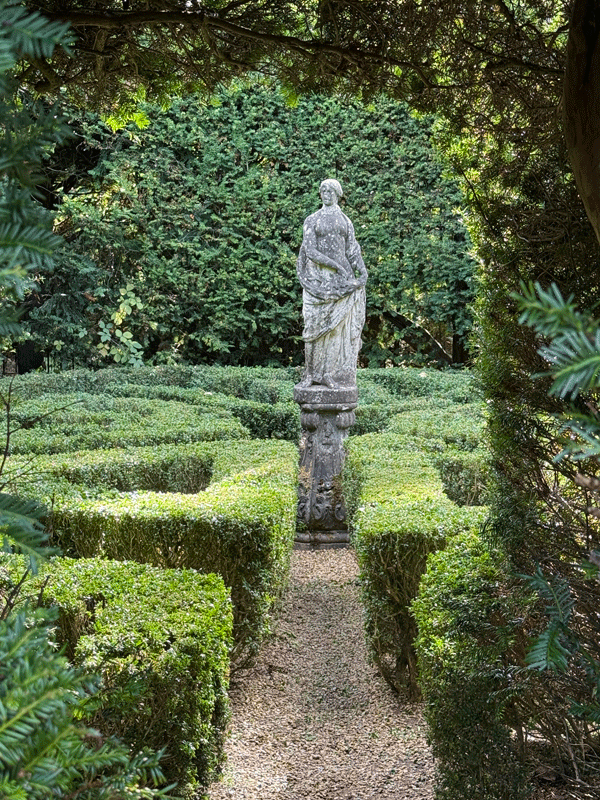
| Alley leading to the Bridge End Gardens past the Fry Art Gallery. Designed by Francis Gibson and created in 1840, these beautiful Grade II* registered Victorian gardens are a hidden gem, full of surprises. Owned by the Fry family (Quakers with historic associations with the town) the gardens are leased to, and managed by, Saffron Walden Town Council. |
|
|