
Tuesday 24th March 2026
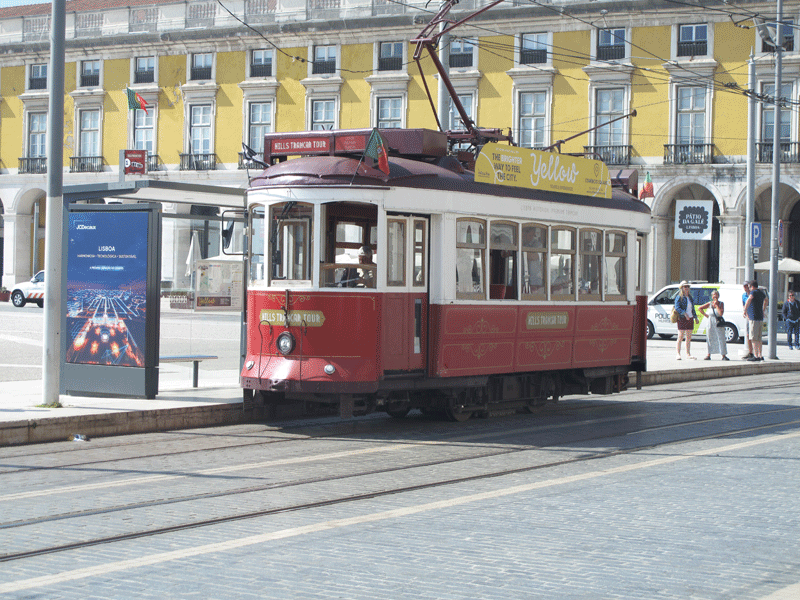
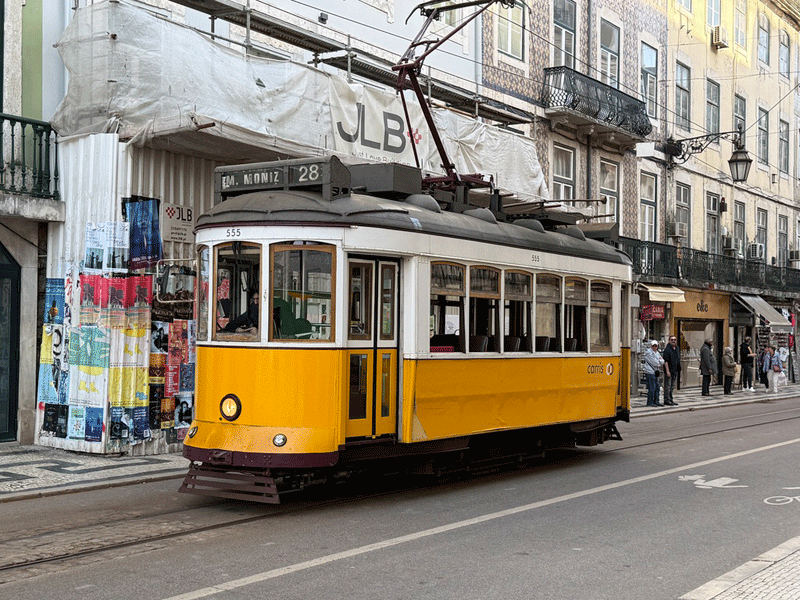
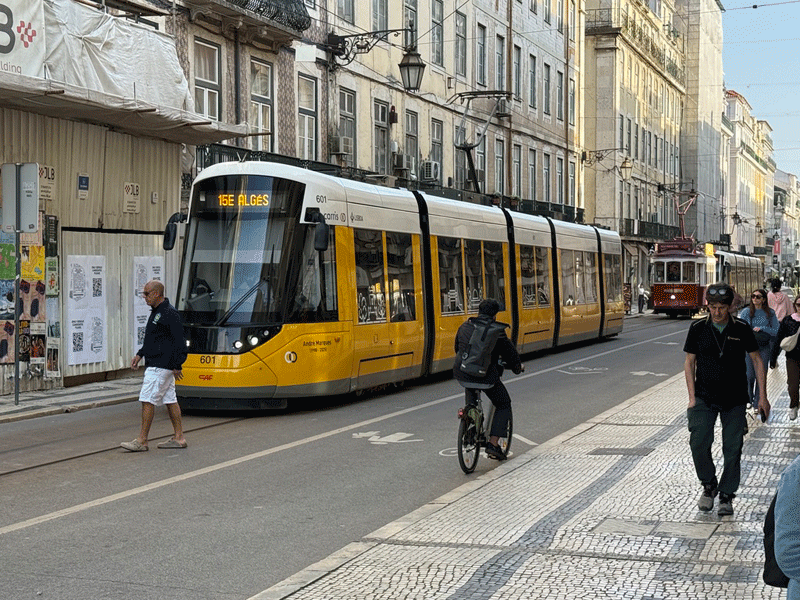
Our plan for today was to walk into Praça do Comércio and take a tram to Belém. Unfortunately there had been an accident on the tram line and the tram could not get as far as Belém; we bailed out and took a taxi rather that wait for a tram on an alternative line.
Belém is famous as a museum district, as the home of many of the most notable monuments of Lisbon, such as the Belém Tower, the Jerónimos Monastery, the Padrão dos Descobrimentos, and Belém Palace (official residence of the President of Portugal) |
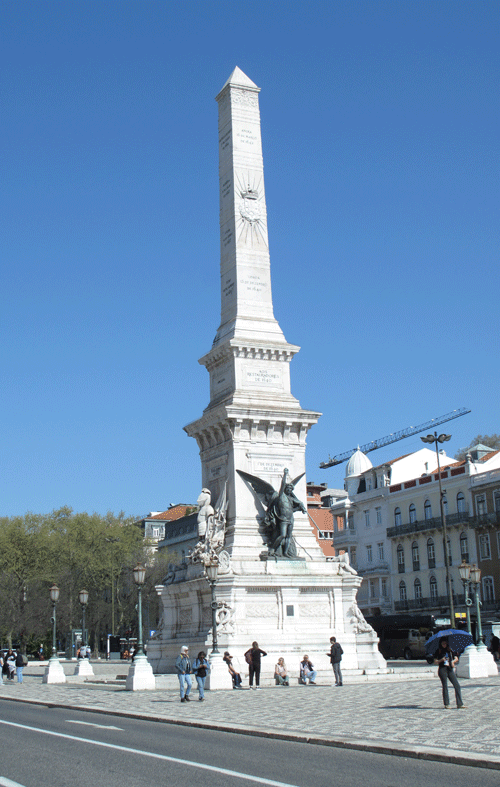
Avenida da Liberdade
| The Avenida da Liberdade was built in 1879-1882 to replicate the sophistication and style of the Avenue des Champs-Élysées in Paris. The Monumento aos Restauradores is an obelisk that stands in the centre of Praça dos Restauradores square towering over 30-metre high. It was built to commemorate those who fought in the 17th century War of Restoration, helping to free the country from six decades of Spanish rule under the Habsburg dynasty and facilitating the transition of power to the House of Braganza which held power in Portugal until the 20th century. |
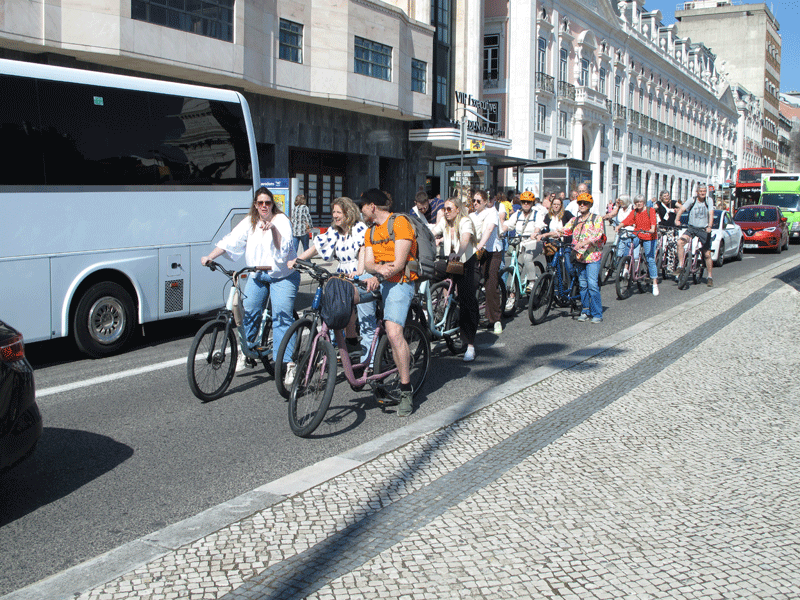
The alternative to walking.... join a cycling tour group
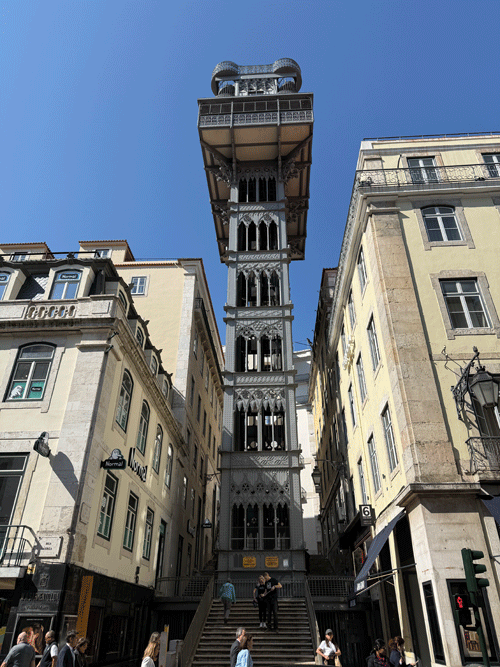
Elevador de Santa Justa
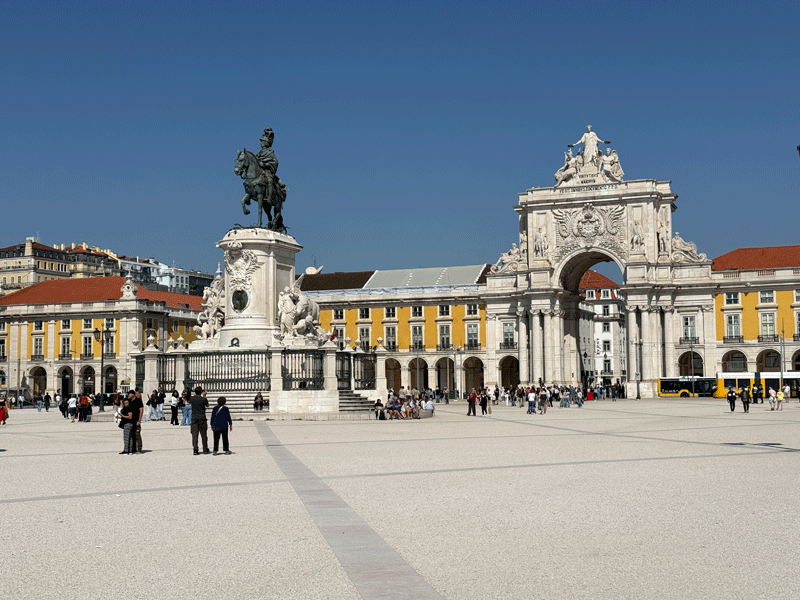
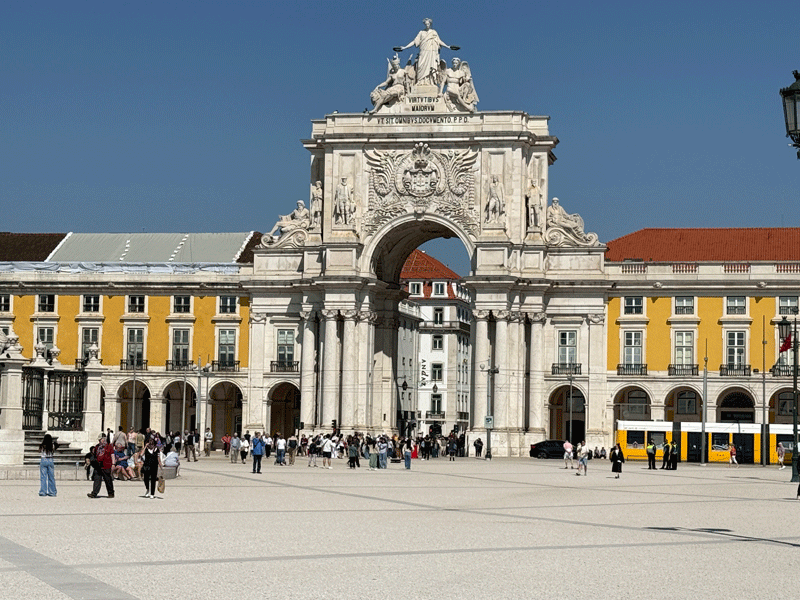
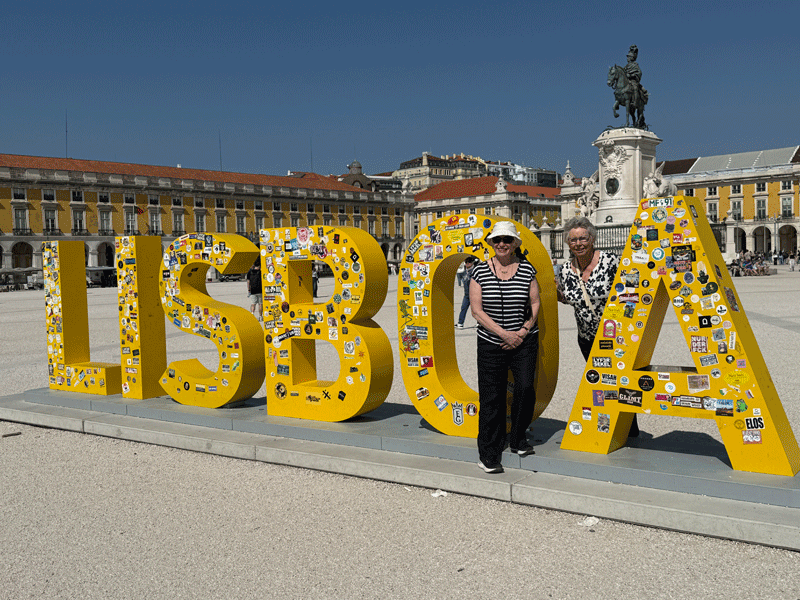
| We continued walking towards the Tagus River and to Lisbon's most important square: the Praça do Comércio which was built on the site where the old Royal Palace used to exist before it was destroyed by the earthquake of 1755. It was for decades Lisbon's main entrepôt, and crucial for its maritime trade. The southern end of the plaza is open and looks out onto the Tagus River. The other three sides have yellow-colored buildings with arches all along the façade. When the square was first built, the commercial ships would unload their goods directly onto this square, as it was considered the “door” to Lisbon. |
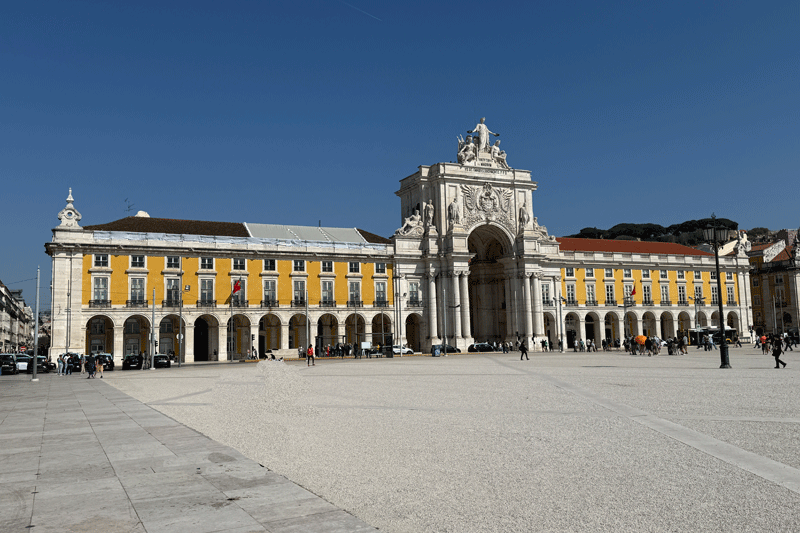
Praça do Comércio
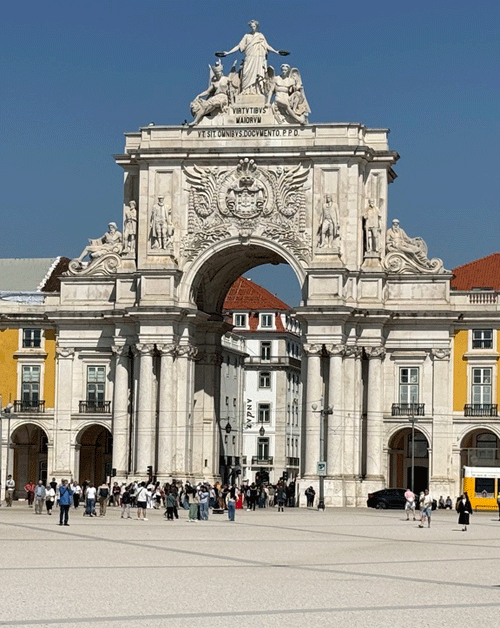
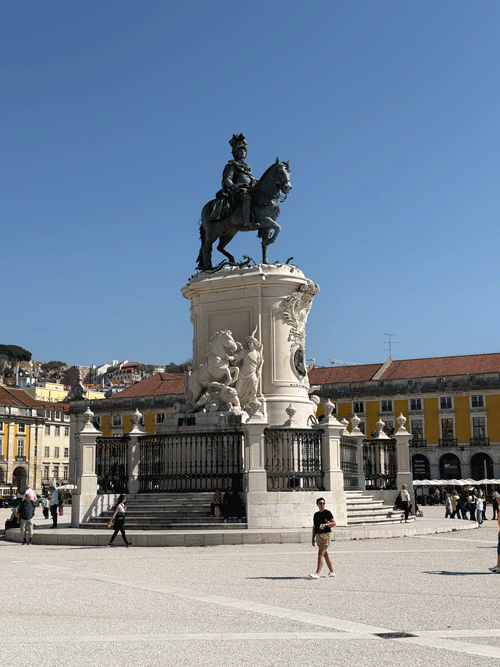
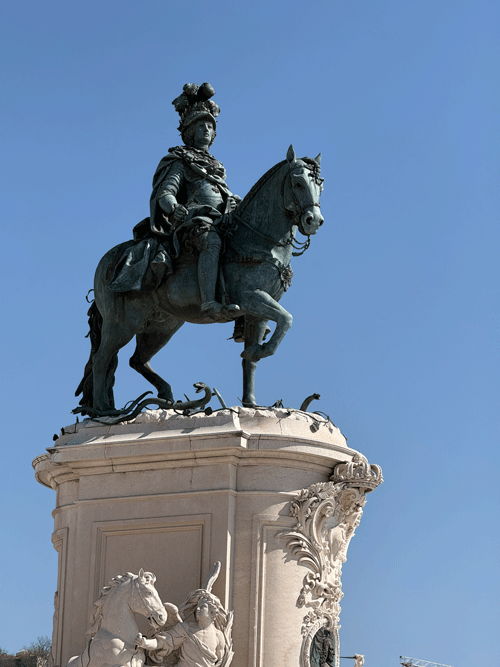
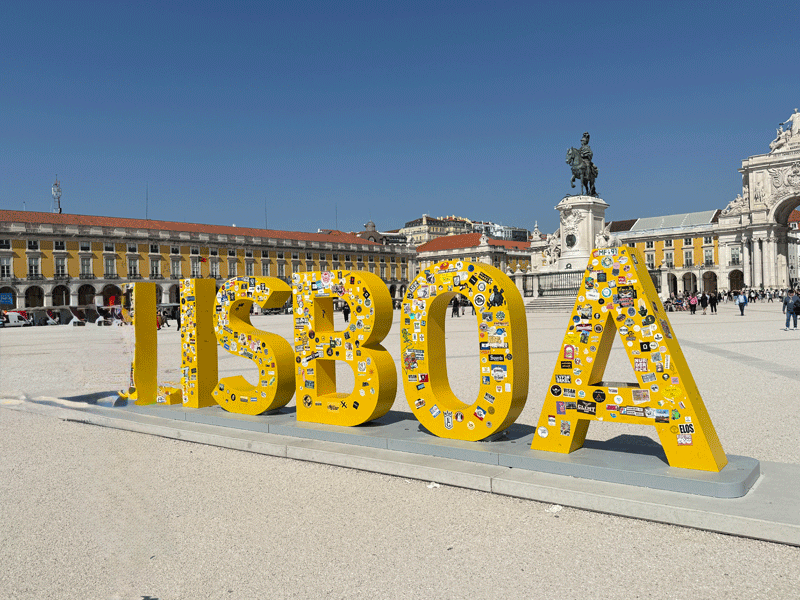
| The centerpiece of the square is the equestrian statue of King José I, inaugurated in 1775. This bronze statue, the first monumental statue dedicated to a king in Lisbon, was designed by Joaquim Machado de Castro, Portugal's foremost sculptor of the time. |
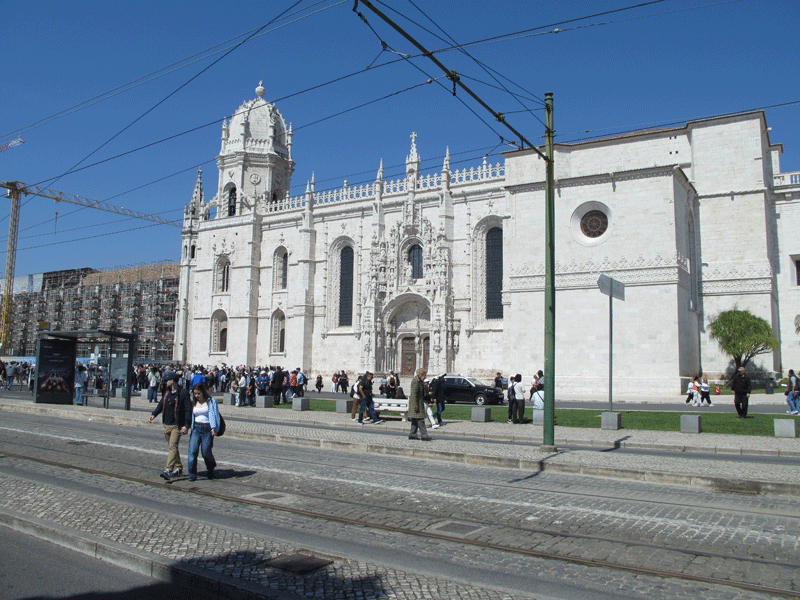
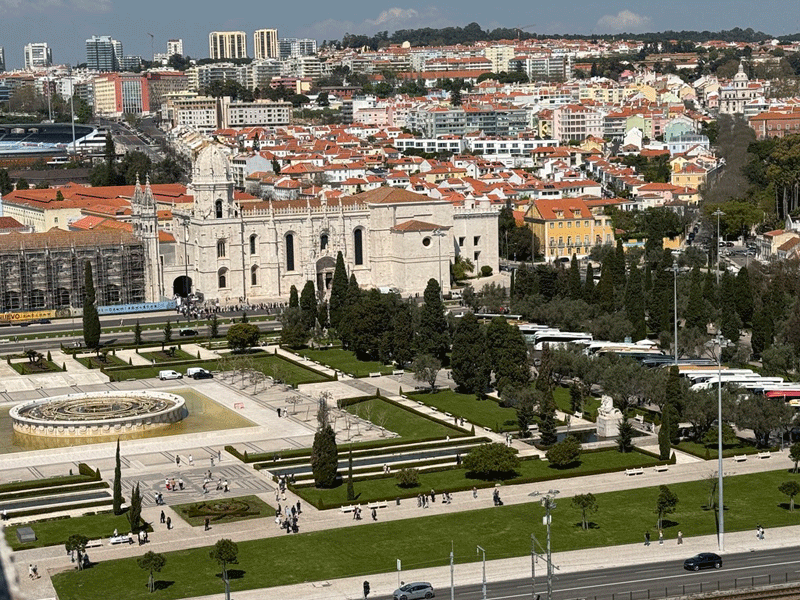
| Situated in Santa Maria de Belém , the Jeronimos Monastery stands as a monumental symbol of the history and culture of Portugal. This UNESCO World Heritage Site was constructed in the Age of Discovery, which is a pivotal era when Europeans ventured into uncharted waters. Originating from a dilapidated church, it served as a last refuge for sailors before their voyages. Commissioned by King Manuel I and dedicated to St. Jerome, the monastery housed Heironymite Monks. It seamlessly blends Manueline, Mannerist, Renaissance, and Late Gothic styles and also memorialises the journey of Vasco da Gama to India. |
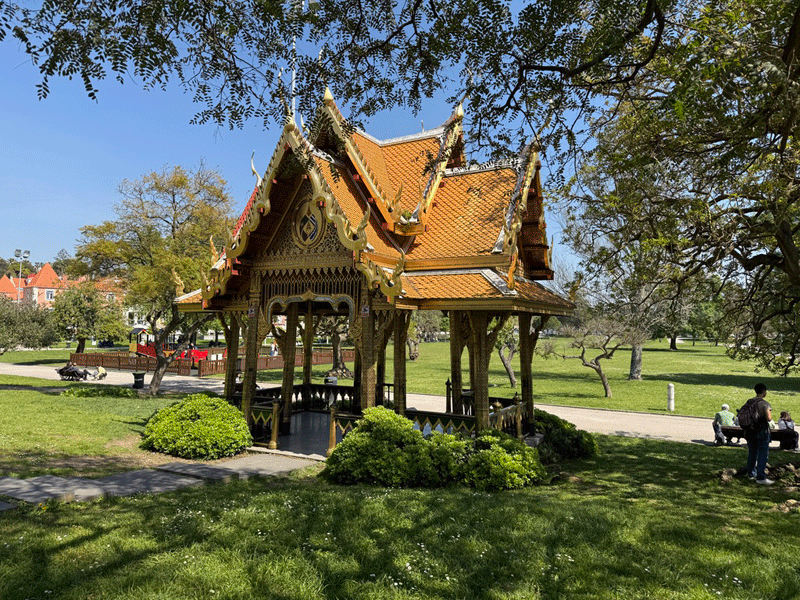
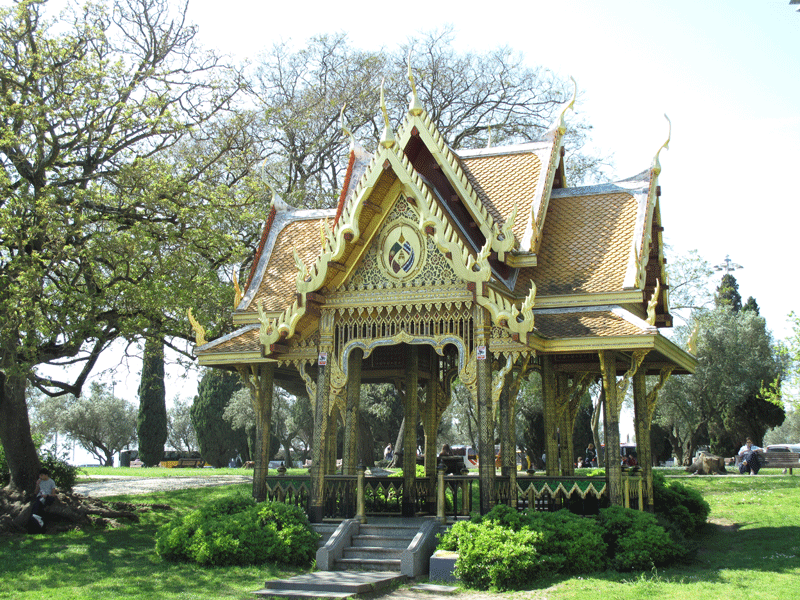
| This Pavilion was a gift from the Royal Thai Government on the occasion of the 500th anniversary of the establishment of bilateral relations between Thailand and Portugal. It was inaugurated on 21st February 2012. |
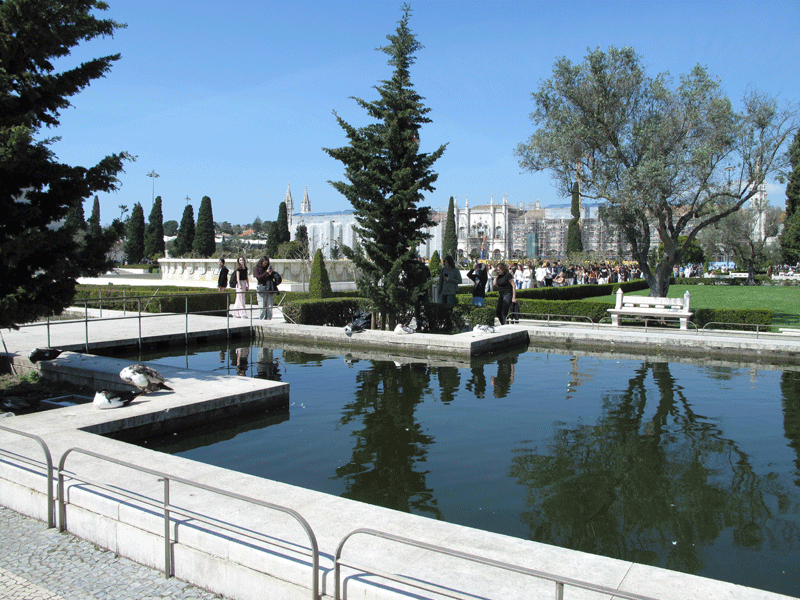
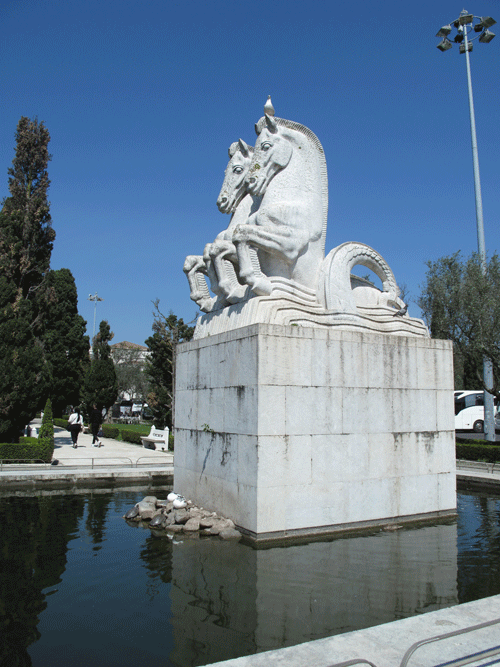
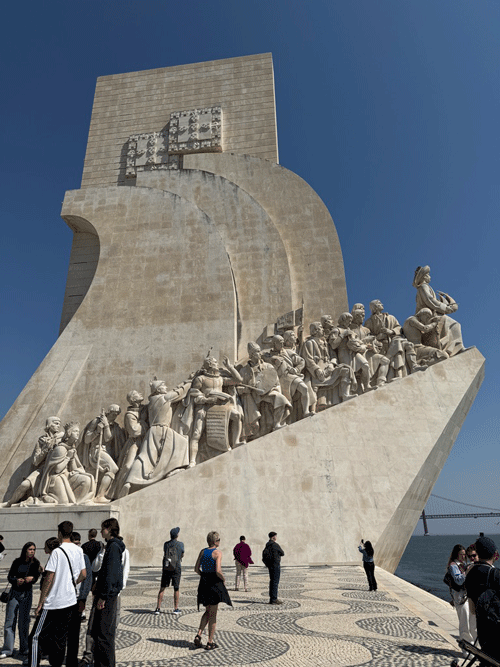
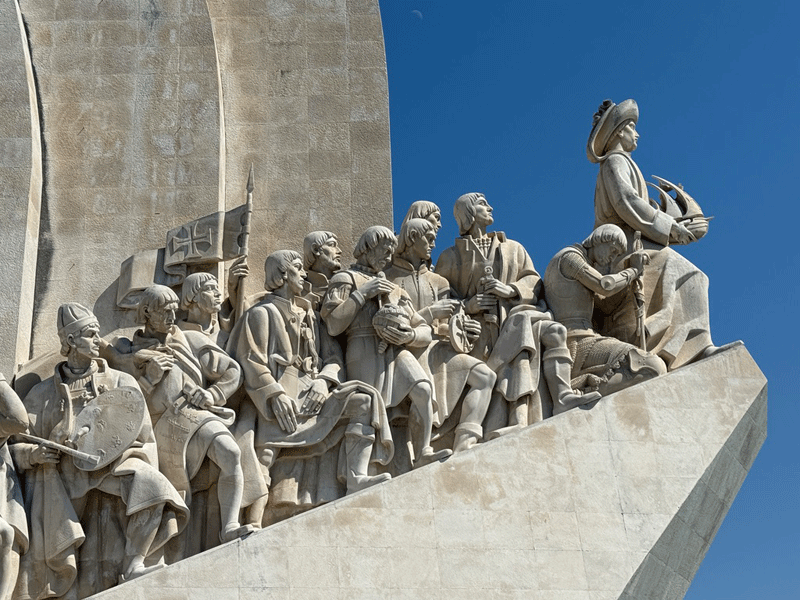
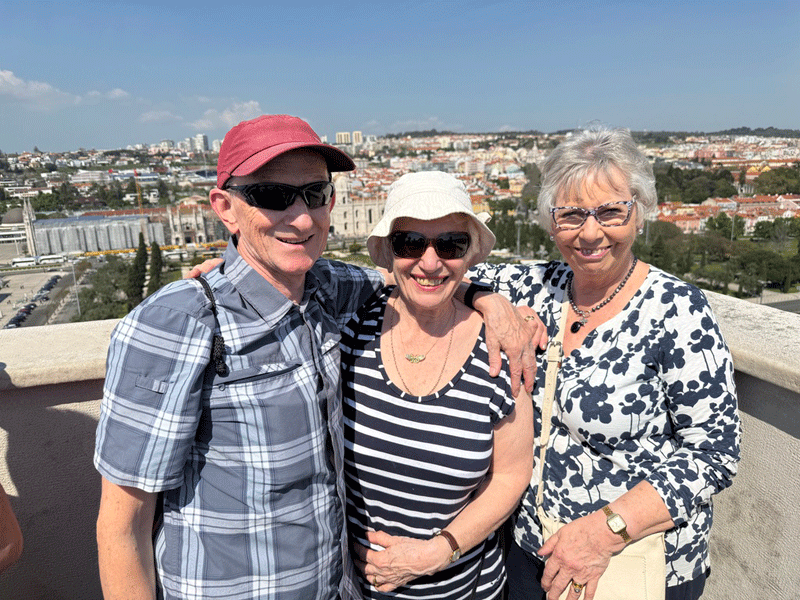
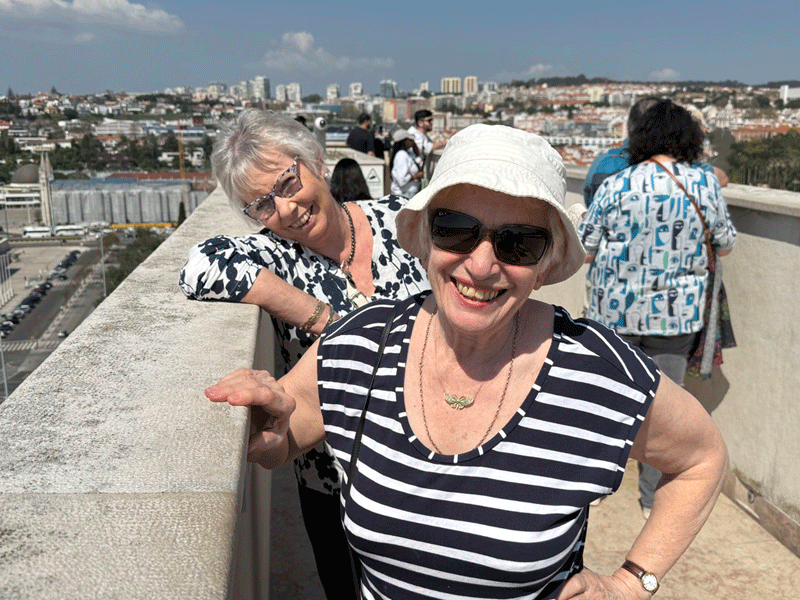
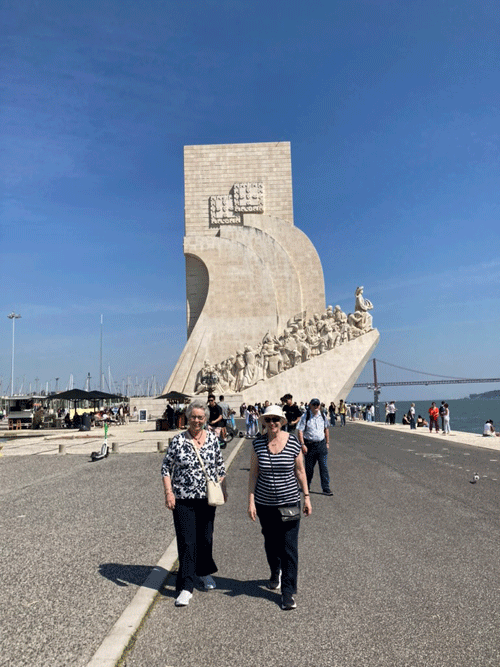
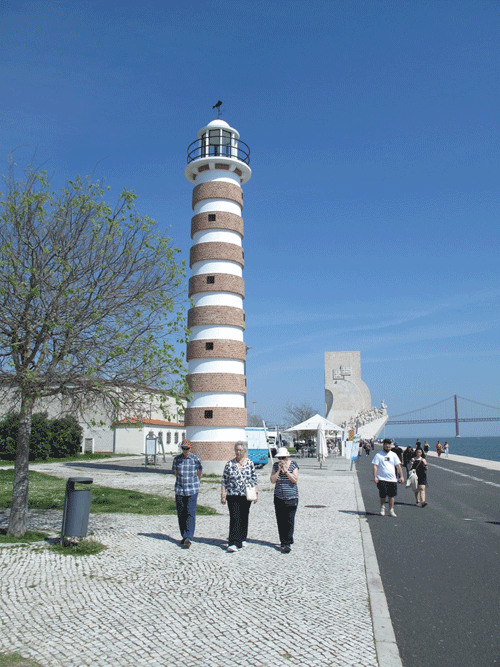
| The Monument of the Discoveries is a monument on the northern bank of the Tagus River estuary, in Belém. Located along the river where ships departed to explore and trade with India and the Orient, the monument celebrates the Portuguese Age of Discovery (or "Age of Exploration") during the 15th and 16th centuries. There is an alevator which takes you to the top for superb 360 degree views. |
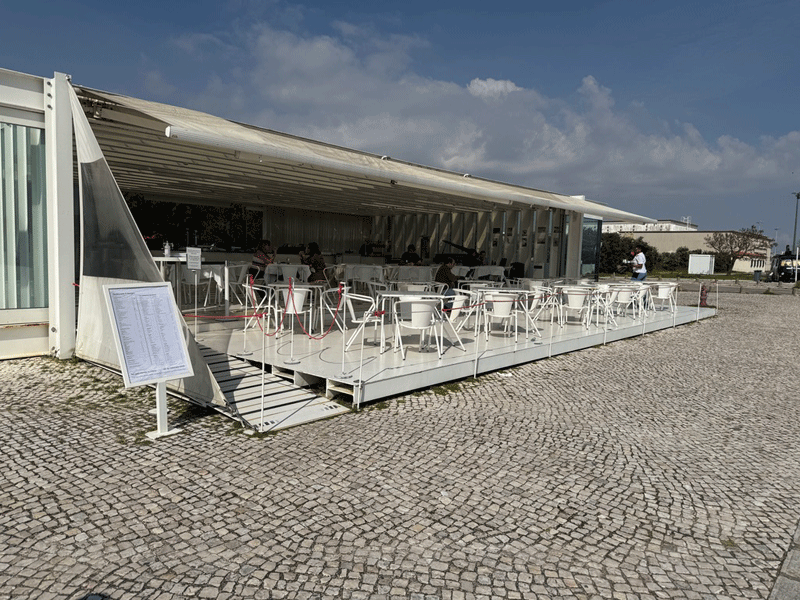
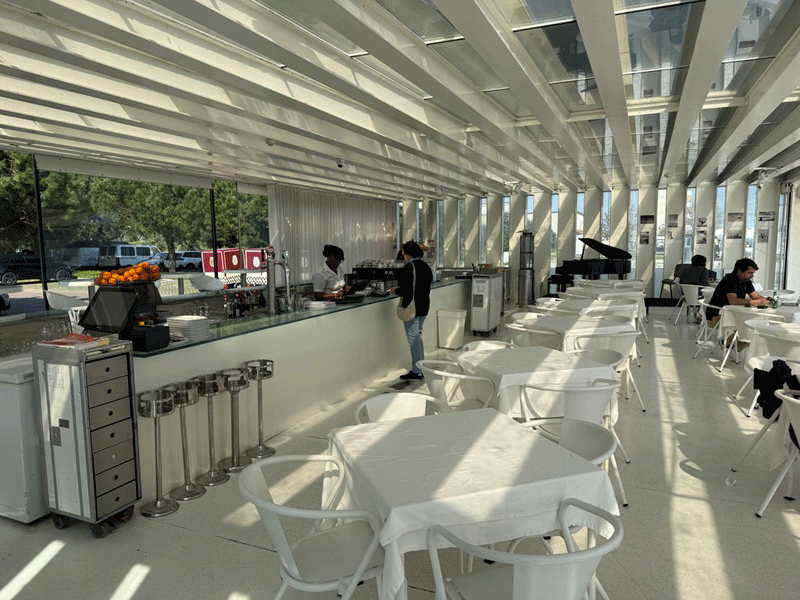
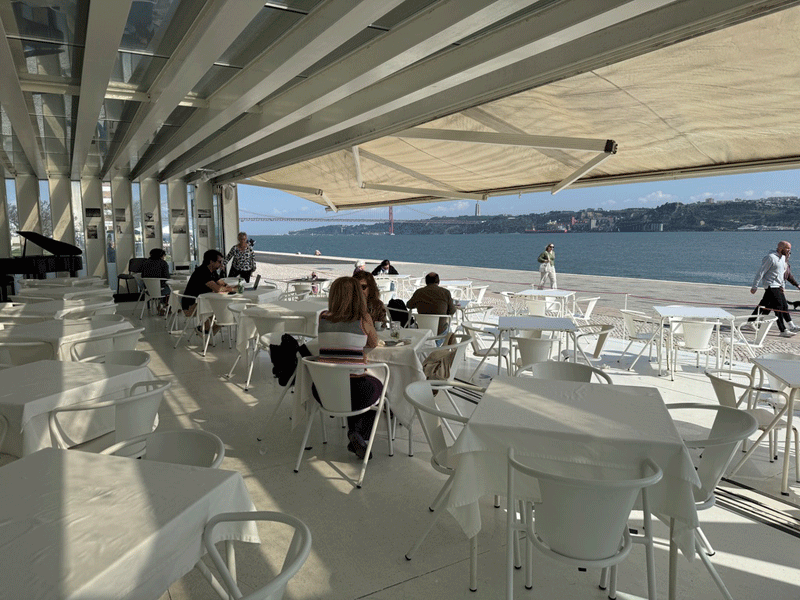
A Margem Restaurant
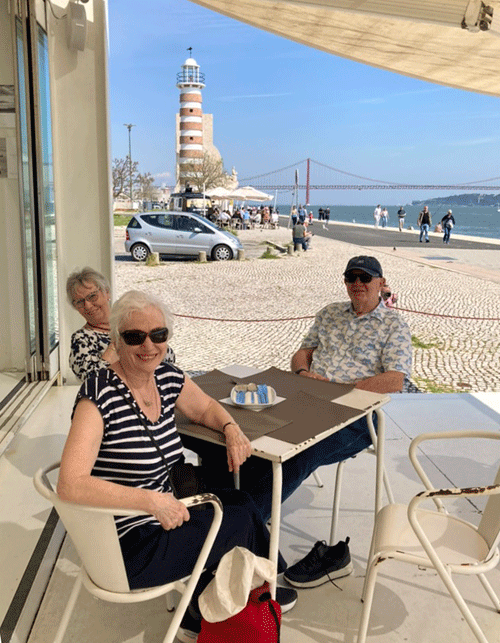
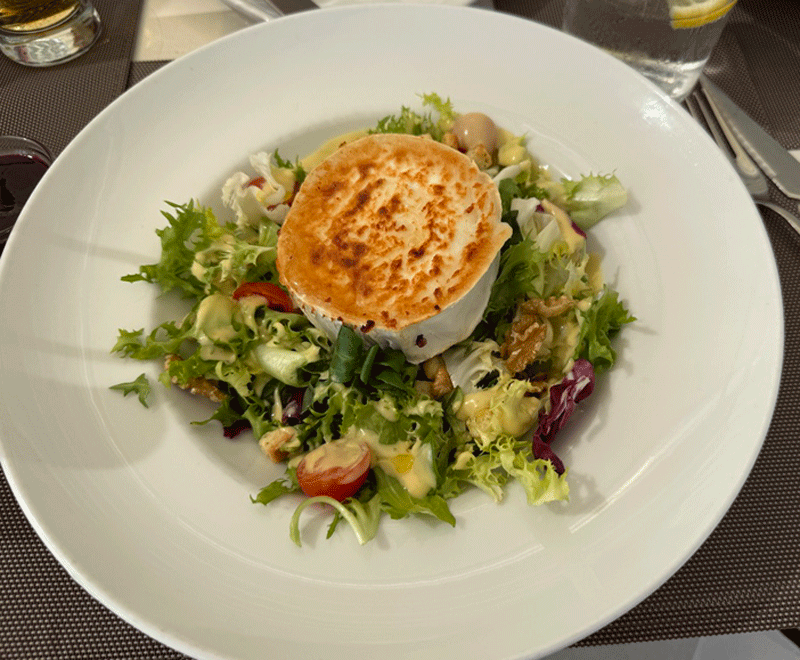
To die for.... goats cheese covered with honey
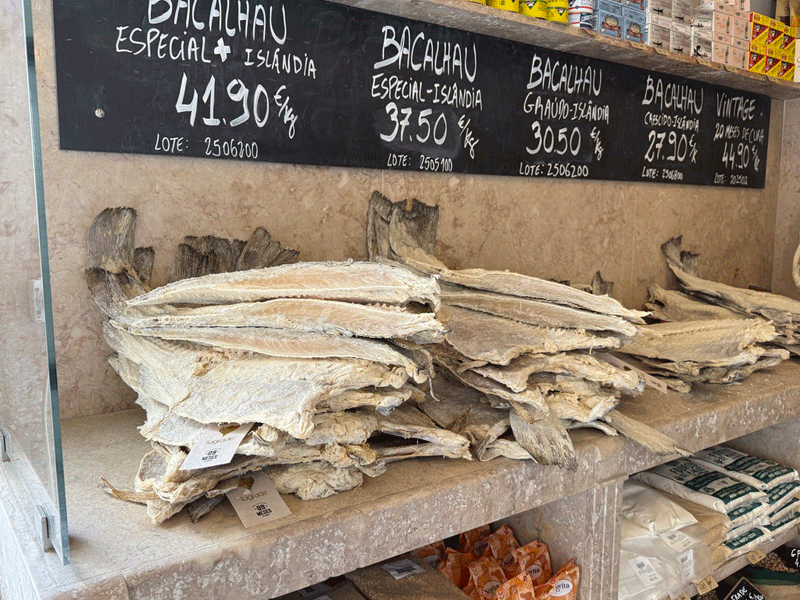
Bacalhau is the Portuguese word for cod and—in a culinary context—dried and salted cod. Fresh (unsalted) cod is referred to as bacalhau fresco (fresh cod).
Bacalhau dishes are common in Portugal, and also in former Portuguese colonies such as Cape Verde, Guinea-Bissau, Angola, Macau, Brazil, Timor-Leste and Goa. There are said to be over 1000 recipes for salt cod in Portugal alone and it can be considered the iconic ingredient of Portuguese cuisine (it is one of the few species of fish not consumed fresh in this fish-loving country, which boasts the highest per capita fish consumption within the European Union). It is often cooked on social occasions and is the traditional Christmas Eve dinner in some parts of Portugal.
Courtesy of Wikipedia |
|