Sunday 31st May 2026
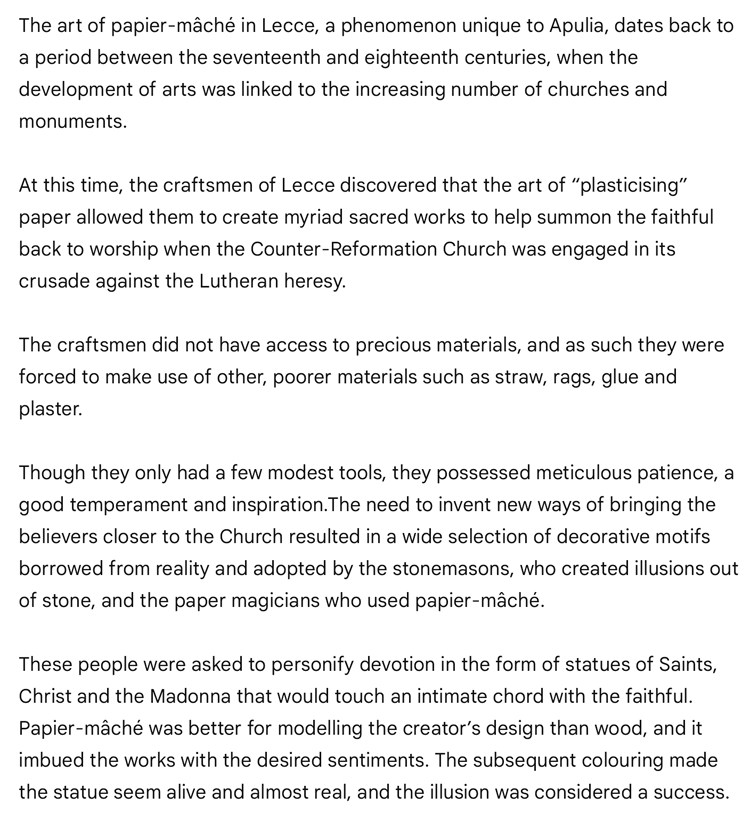
Lecce lies on the Salentina peninsula, or “heel” of Italy, east of Taranto. Possibly built on the site of the ancient Roman town of Lupiae, Lecce was contested by the Byzantines, Lombards, and Saracens after the fall of the Roman Empire. It became a diocese in the 6th century and was captured and elevated to a countship by the Normans in the mid-11th century. The city passed in 1463 to the Aragonese kings of Naples, who fortified it.
The city’s classical remains include an underground burial chamber of the 4th century BC and a Roman amphitheater. Lecce flourished in the 16th and 17th centuries and has many examples of Apulian Baroque architecture; many of its buildings are built of the characteristic pietra leccese, a light yellow, easily worked limestone. The cathedral, the Basilica of Santa Croce, and the Church of SS. Niccolo e Cataldo are notable, all rebuilt in the Baroque style. Other fine Baroque buildings include the bishop’s palace, the seminary, and the Palazzo della Prefettura, housing the provincial museum.
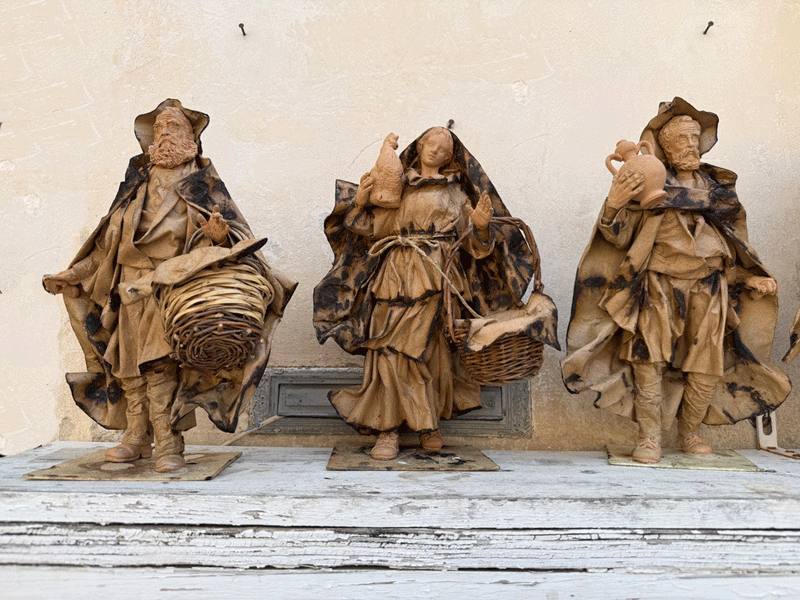
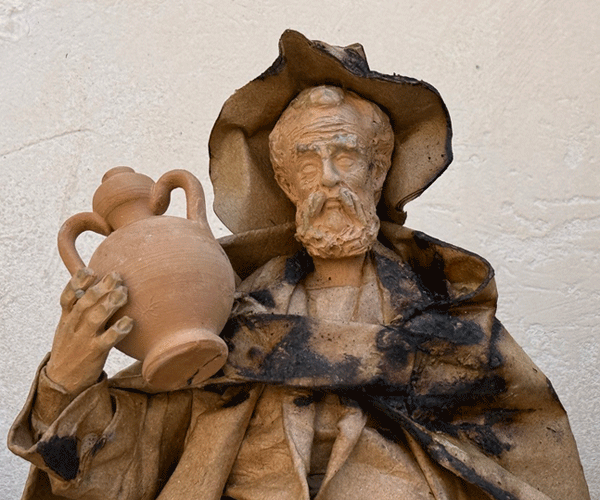
Lecce’s industries include flour milling, wine and olive-oil processing, food canning, and the manufacture of pottery, glass, and papier-mâché religious objects and toys. Pop. (2006 est.) mun., 92,688.
Baroque architecture, architectural style originating in late 16th-century Italy and lasting in some regions, notably Germany and colonial South America, until the 18th century. It had its origins in the Counter-Reformation, when the Catholic Church launched an overtly emotional and sensory appeal to the faithful through art and architecture. Complex architectural plan shapes, often based on the oval, and the dynamic opposition and interpenetration of spaces were favoured to heighten the feeling of motion and sensuality. Other characteristic qualities include grandeur, drama and contrast (especially in lighting), curvaceousness, and an often dizzying array of rich surface treatments, twisting elements, and gilded statuary.
Courtesy of www.britannica.com |
The Hilton Garden Inn is a short coach ride or a 20-minute walk from the main tourist entrance to Lecce, the Porta Napoli.
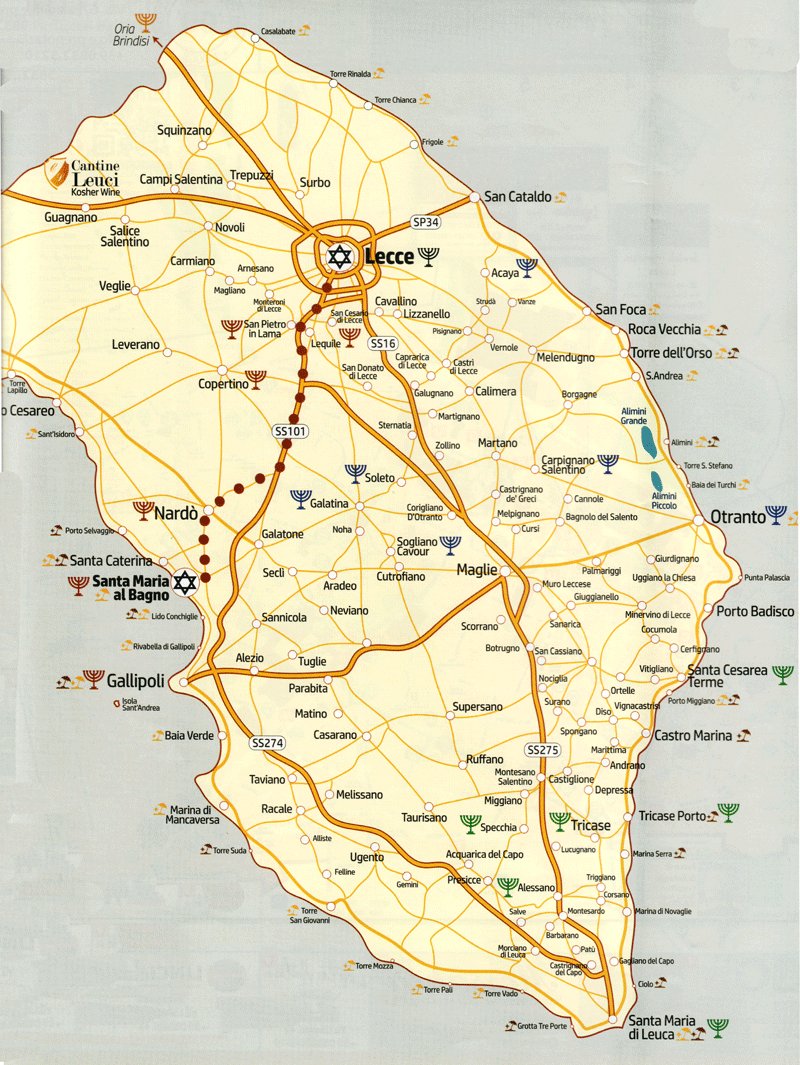
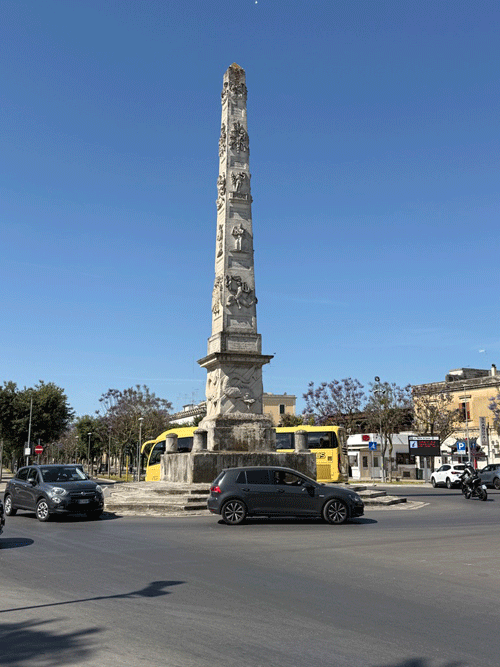
The Obelisco di Terra d’Otranto, a striking monument erected in 1822, stands directly across from the iconic Porta Napoli. Crafted from local Pietra Leccese limestone, this elegant obelisk commemorates the reign of Ferdinand, King of the Two Sicilies. Its smooth surface is adorned with intricate carvings and inscriptions that pay homage to royal authority and celebrate the historical significance of Terra d’Otranto. Its pyramidal shape is reminiscent of ancient Egyptian obelisks and engraved symbols representing various districts like Lecce, Gallipoli, Brindisi, and Taranto.
Courtesy of www.wanderlog.com |
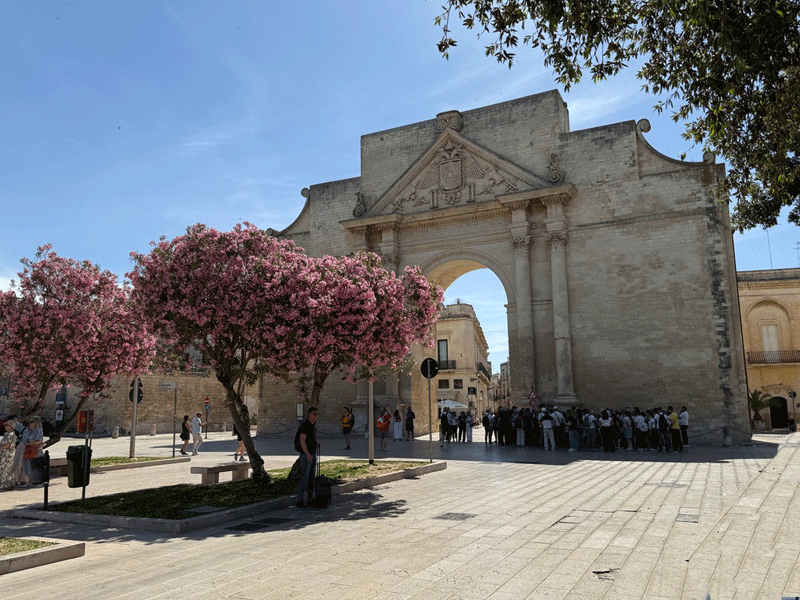
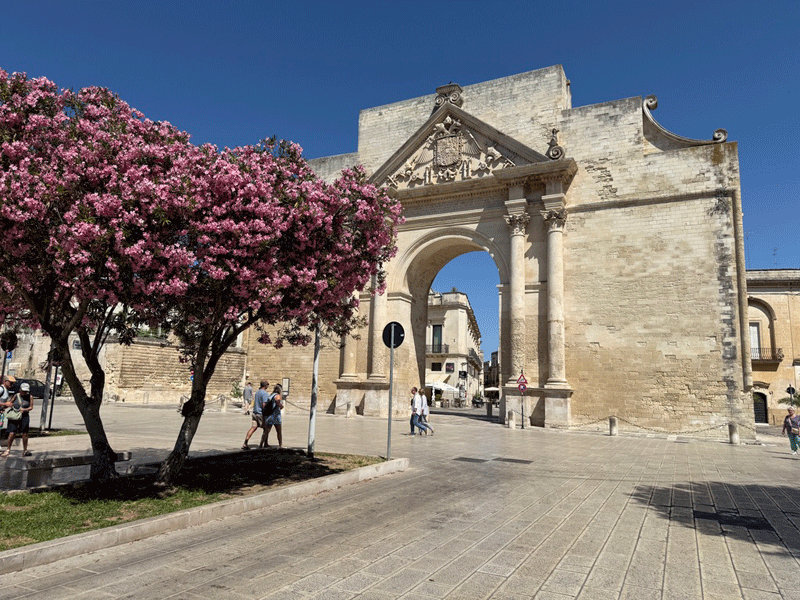
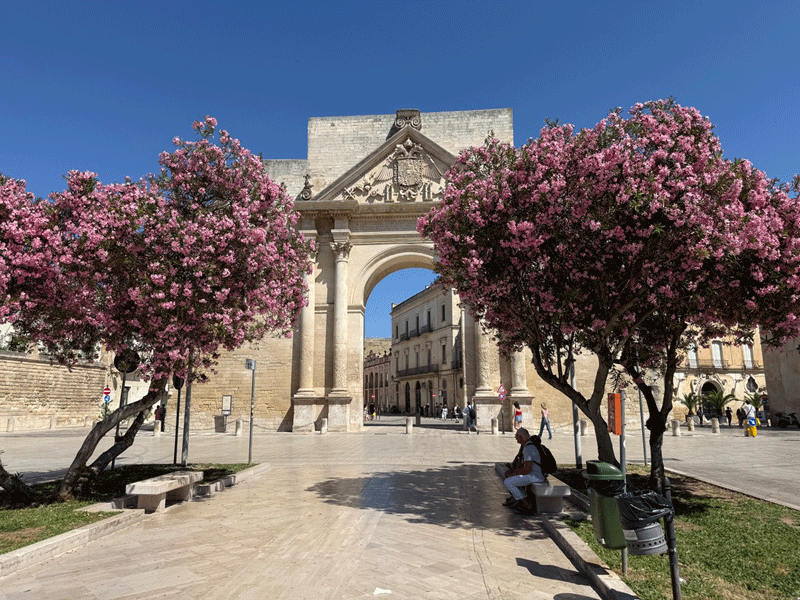
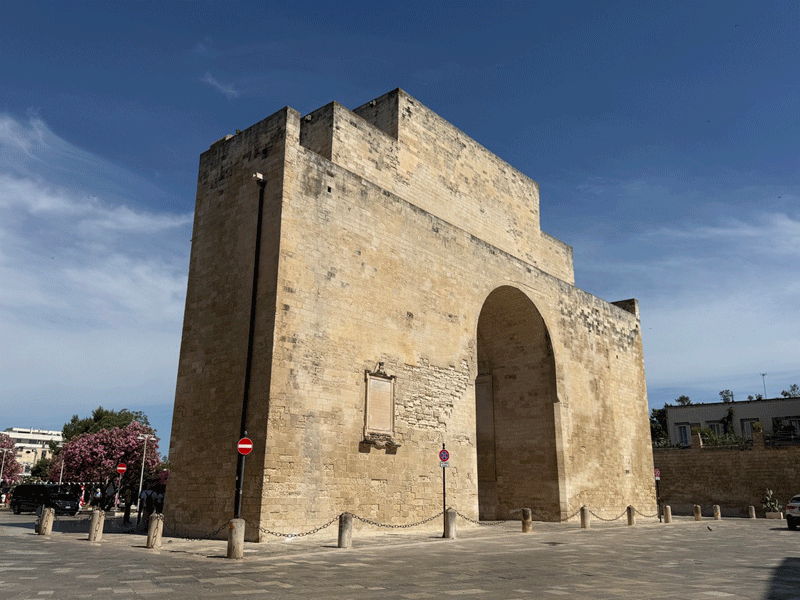
Called the Porta Napoli or Naples Gate, the locals consider it the Arch of Triumph - the ultimate starting line for a Baroque adventure through Lecce’s maze of alleys and plazas. Built in 1548 by the celebrated Gian Giacomo-a military engineer and architect best known for fortifying southern Italy against Ottoman attacks. This 66-foot-tall triumphal gateway was Charles V’s way of high-fiving his own greatness after booting the Turks back east. With two Corinthian pillars flexing support under a giant triangular pediment, it’s decked out in carvings of armor, weapons, and the Habsburg-Spanish coat of arms.
Courtesy of www.gpsmycity.com |
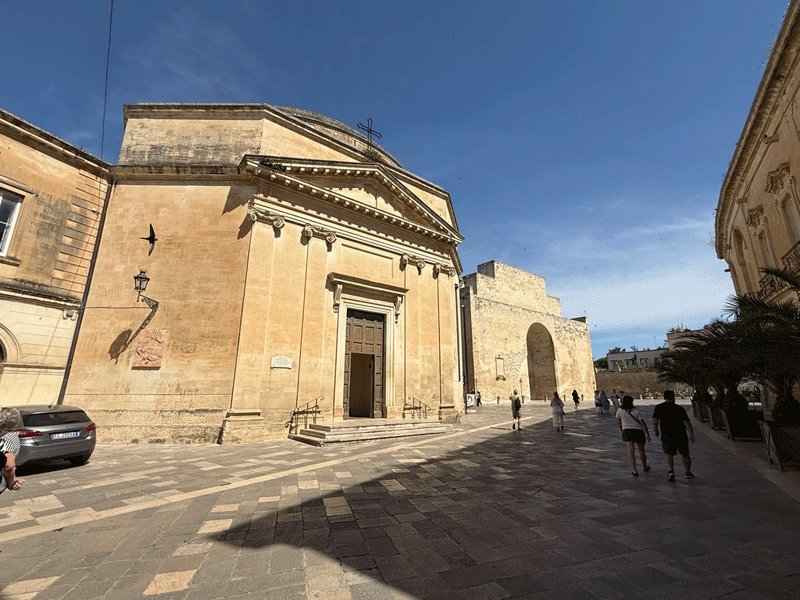
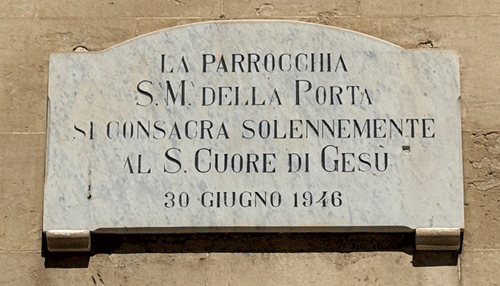
Chiesa di Santa Maria della Porta o di San Luigi
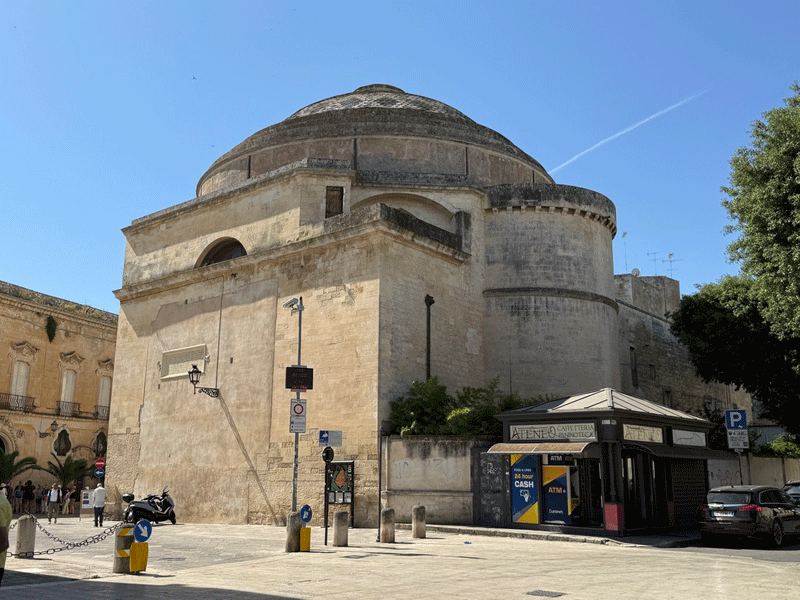
The Church of Saint Mary 'della Porta' in Lecce, Italy, is a historic place of worship with a rich backstory. Originally a simple chapel outside the city walls housing an image of the Virgin Mary believed to work miracles, it was rebuilt within the city in 1567 after miraculous healings occurred. The neoclassical structure by architect Giuseppe Maiola da Maddaloni features unique majolica tile decorations inside resembling the Pantheon. The church's dome and central octagonal plan make it stand out near Porta Napoli, offering visitors a glimpse into Lecce's religious heritage.
Courtesy of www.wanderlog.com |
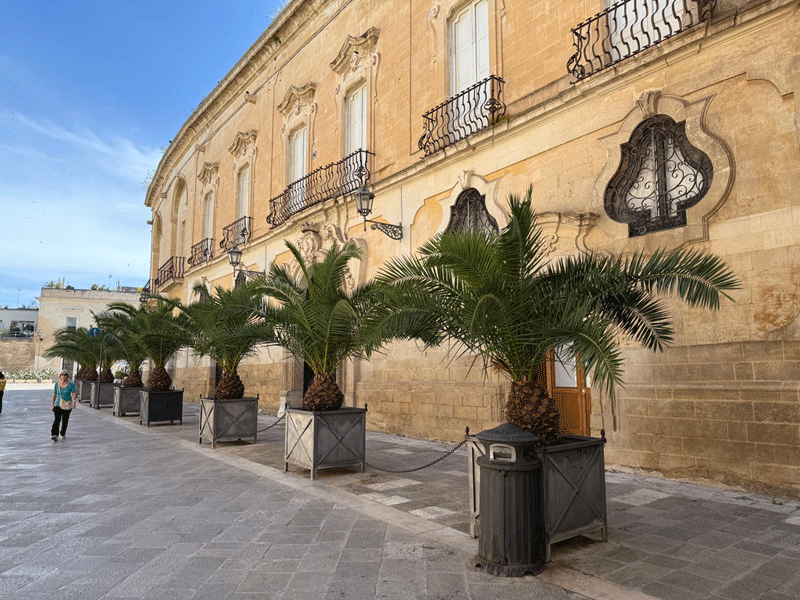
Palazzo Guarini
Palazzo Guarini is a stunning example of Baroque architecture located in the heart of Lecce. This historic palace features intricate stonework and ornate decorations that reflect the artistry of the period. Originally constructed in the 17th century, it serves as a testament to the city's rich cultural heritage.
The curves of the Palazzo Guarini’s windows are typical of Baroque architecture.
Courtesy of https://mindtrip.ai/attraction/lecce-puglia/palazzo-guarini/at-DvNYYM1r |
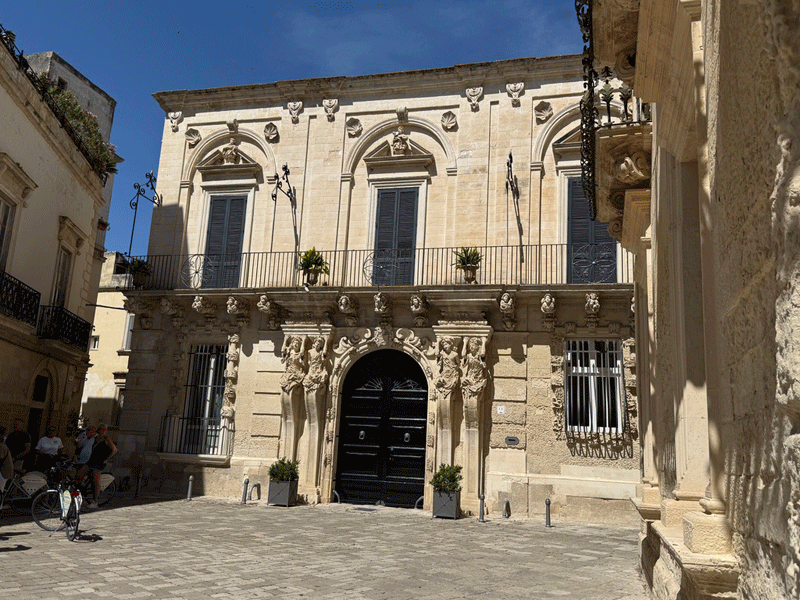
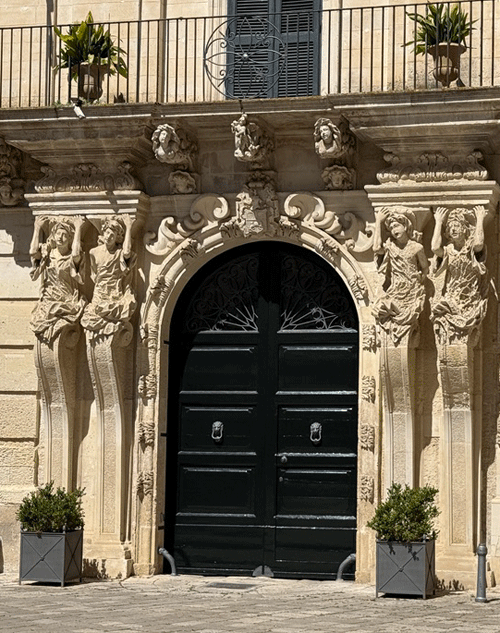
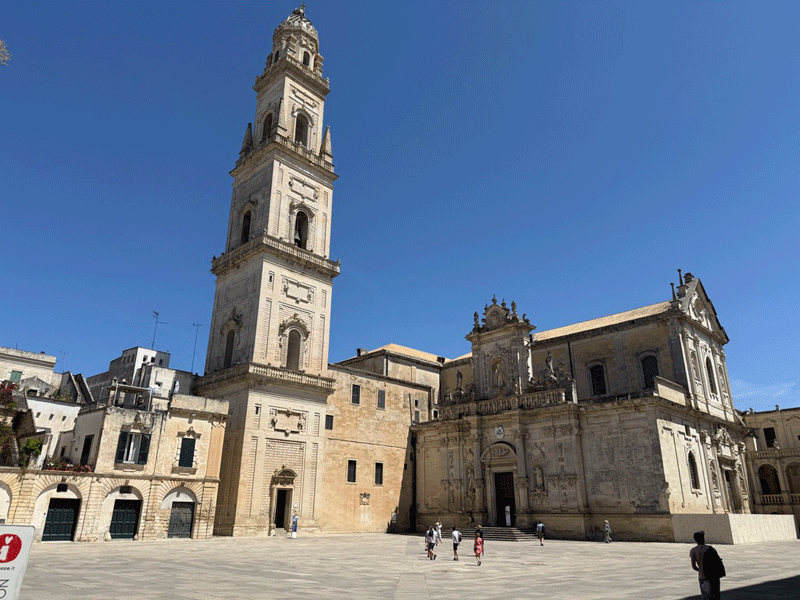
Piazza del Duomo
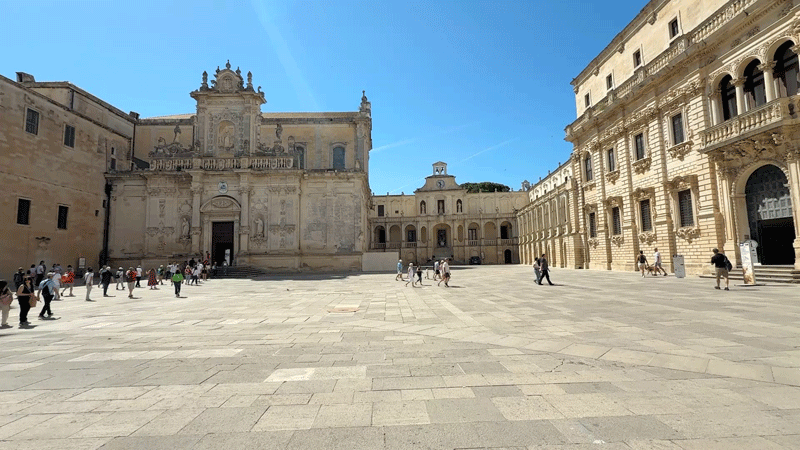
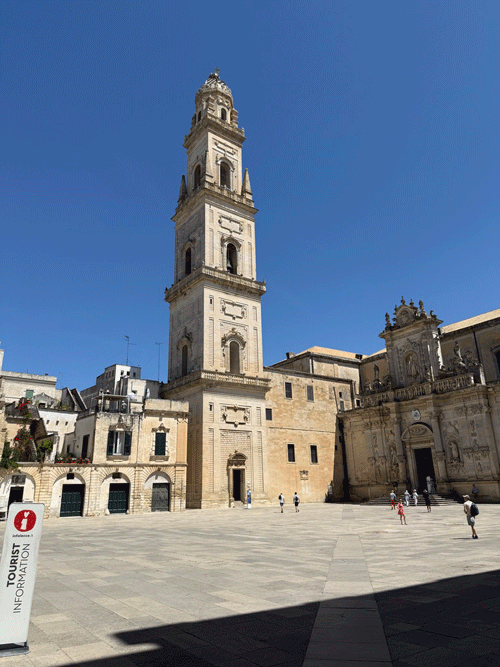
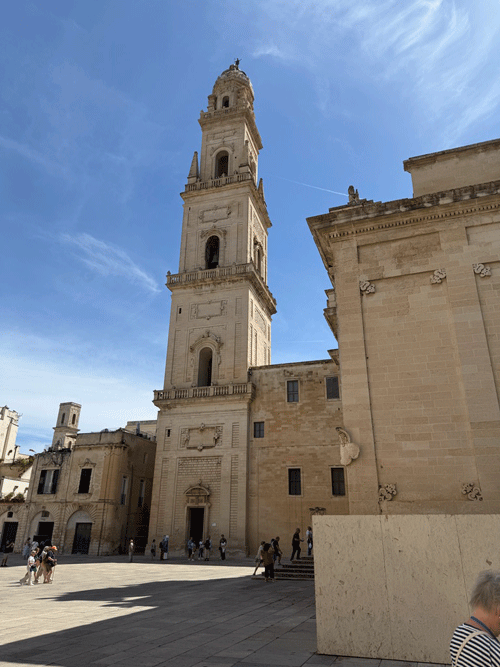
Piazza del Duomo translates to Cathedral Square in English. It is a stunning open-air architectural masterpiece. Unlike typical Italian squares, it is uniquely enclosed, creating an intimate courtyard feel that highlights its famous "Lecce Baroque" limestone architecture.
Key Landmarks in the Square
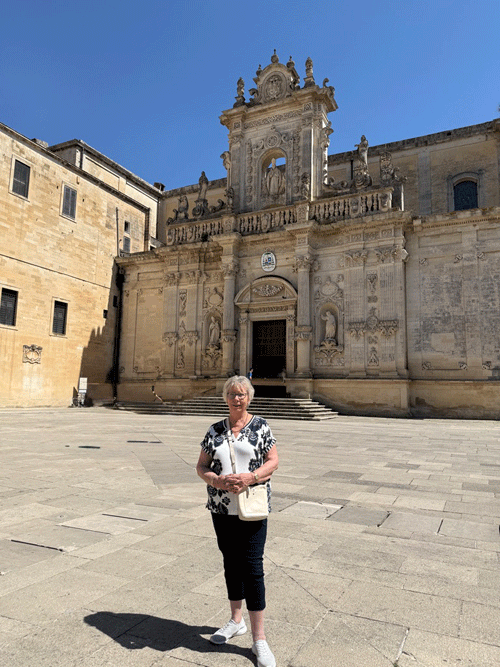
- Lecce Cathedral (Duomo di Lecce): Dedicated to the Assumption of the Virgin Mary. Originally built in the 13th century, it was redesigned in the 17th century by master architect Giuseppe Zimbalo.
- The Bell Tower (Il Campanile): Soaring 230 feet (70 meters) high, this five-tiered tower offers sweeping views of the city and the Adriatic Sea.
- Bishop's Palace (Palazzo Vescovile): A 15th-century residence for the archbishop, featuring an elegant Doric-columned loggia.
- Seminary Palace (Palazzo del Seminario): Built in the late 1600s, it now houses the Diocesan Museum of Sacred Art.
Courtesy of AI
|
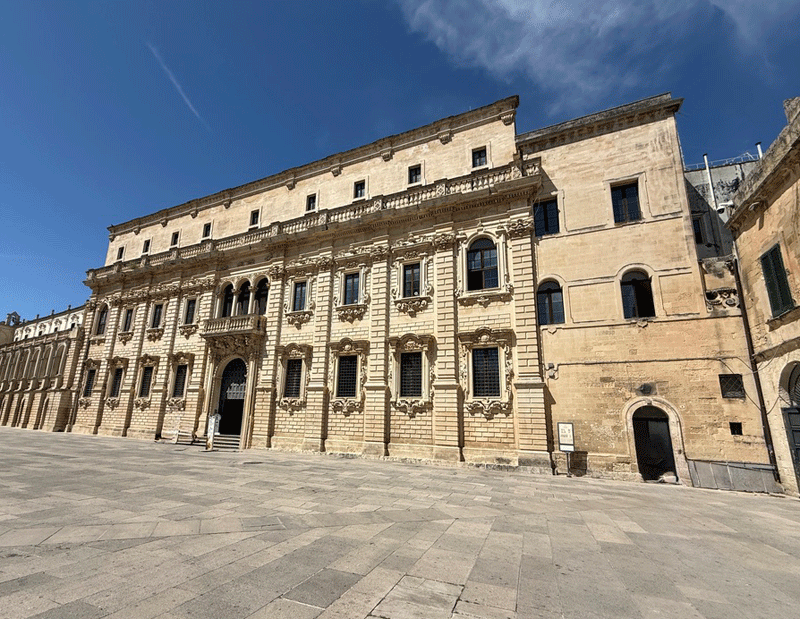
The Bishop's Palace
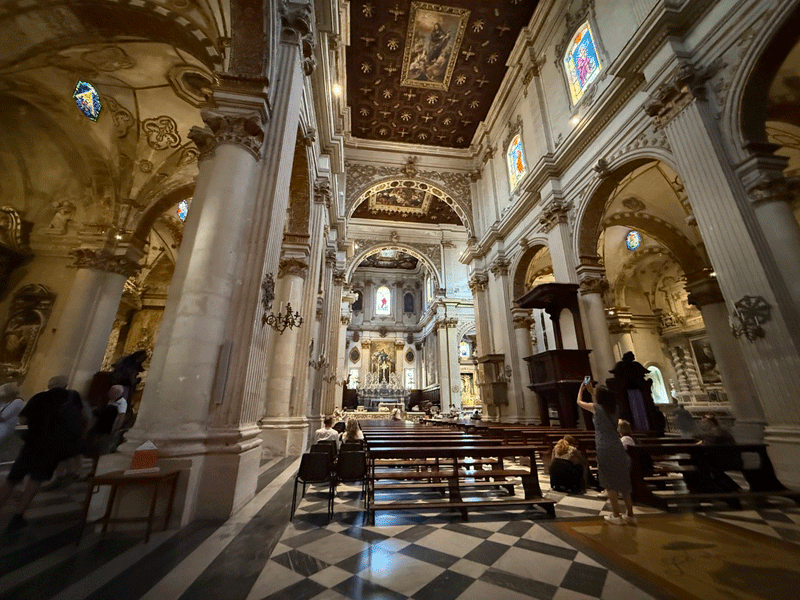
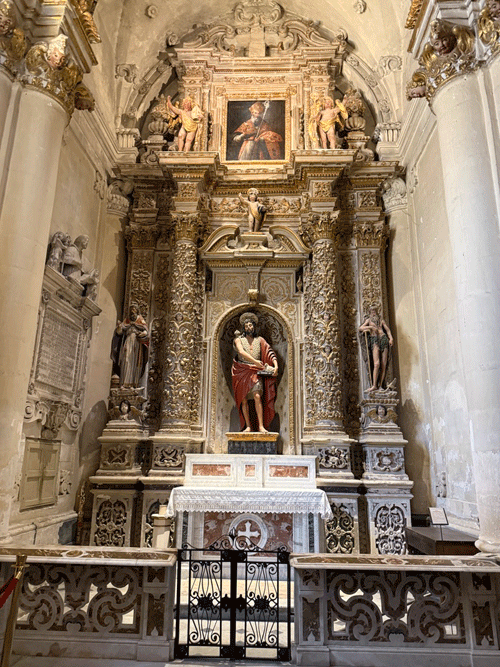
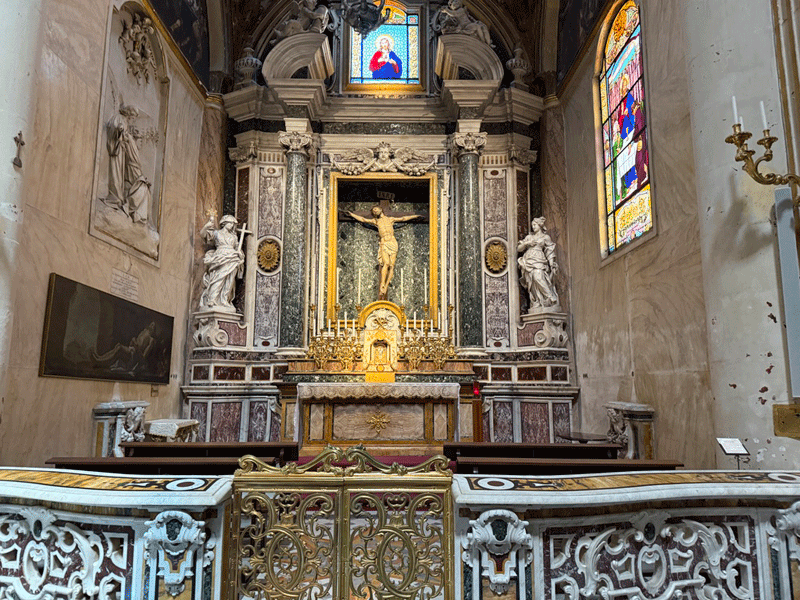
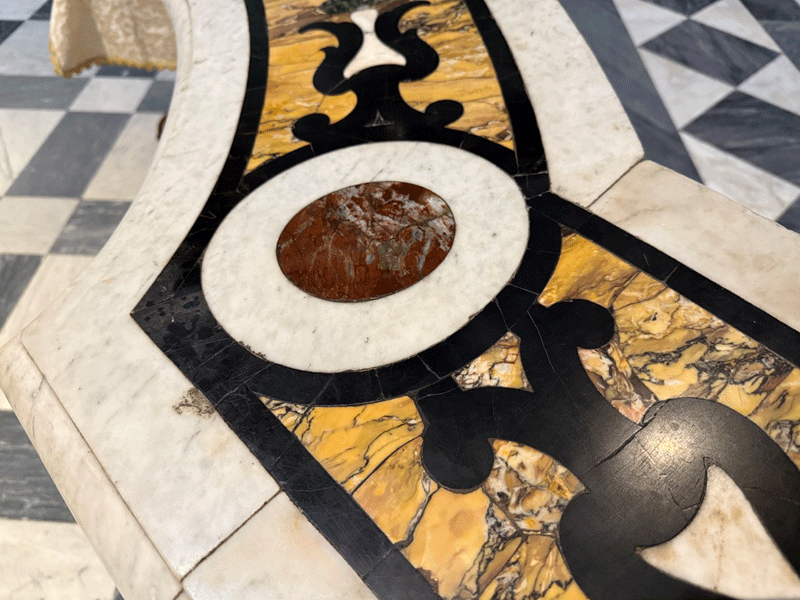
Elaborate coloured marble
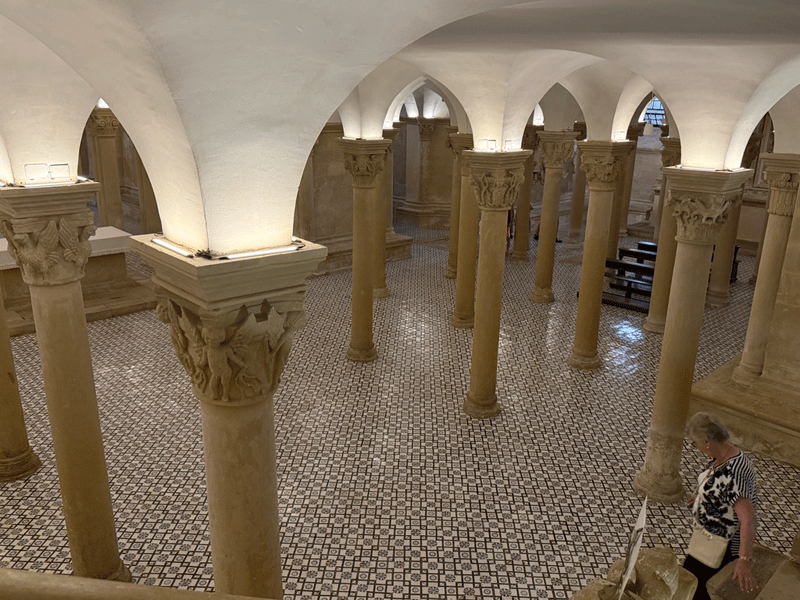
Il Campanile
Normans began Lecce’s first Duomo in 1114, but the medieval bell tower’s collapse in the early 17th century precipitated Zimbalo’s commission to redesign both structures. The Baroque cathedral was constructed between 1659 and 1670, and the bell tower from 1661 to 1682. Development of the piazza, including the Seminary and Bishop’s Palace, continued for another century.
Courtesy of www.lionsinthe piazza.com |
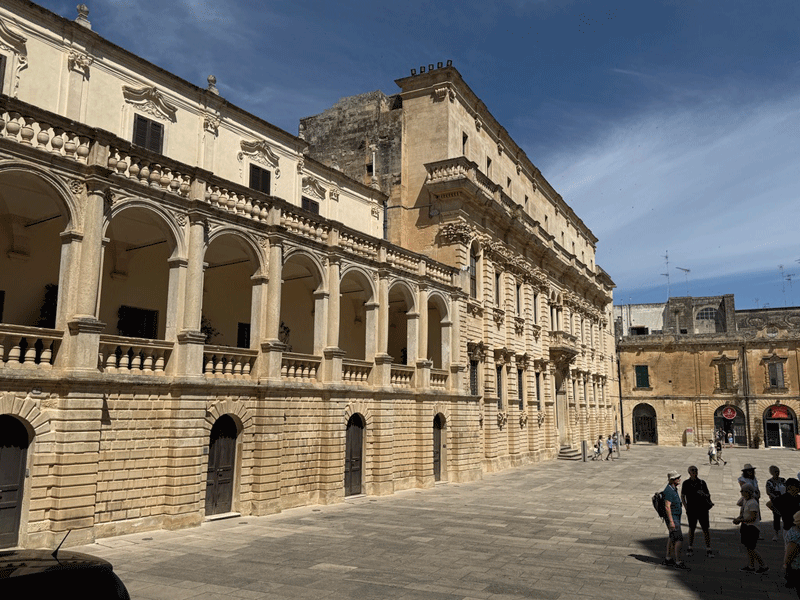
The Bishop's Palace
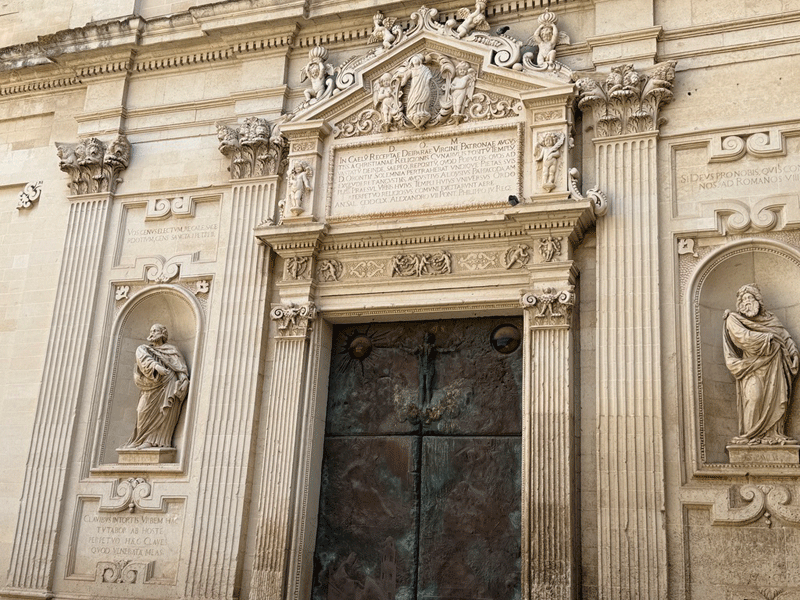
Courtesy of www.artsandculture.google.com
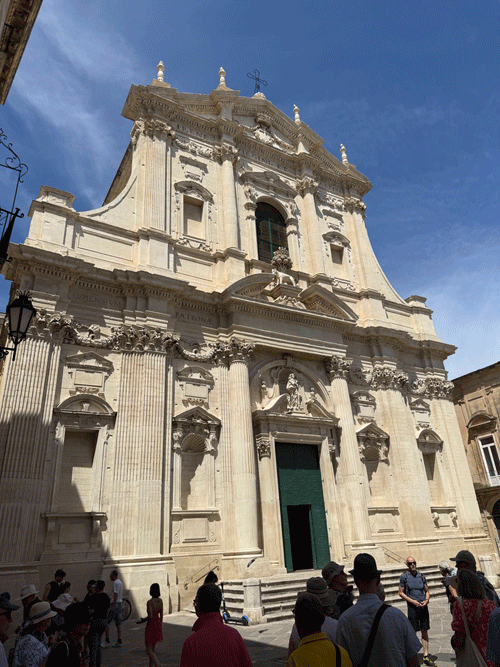
Chiesa di Sant'Irene
Dedicated to Lecce's former patron saint and modelled on Rome's Basilica di Sant'Andrea della Valle, this church was completed in 1639. |
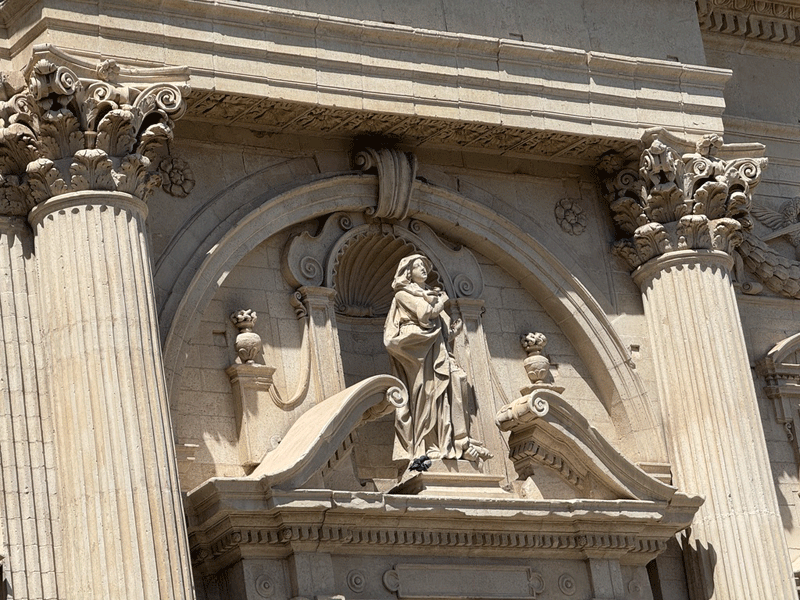
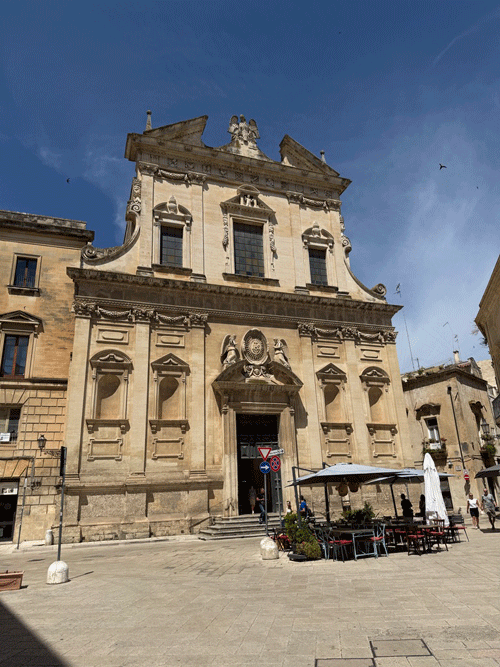
| La Chiesa del Gesù, o della Madonna del Buon Consiglio, built in 1575 and inspired by the Church of Jesus in Rome, considered the Mother of the Churches of the Jesuit order. |
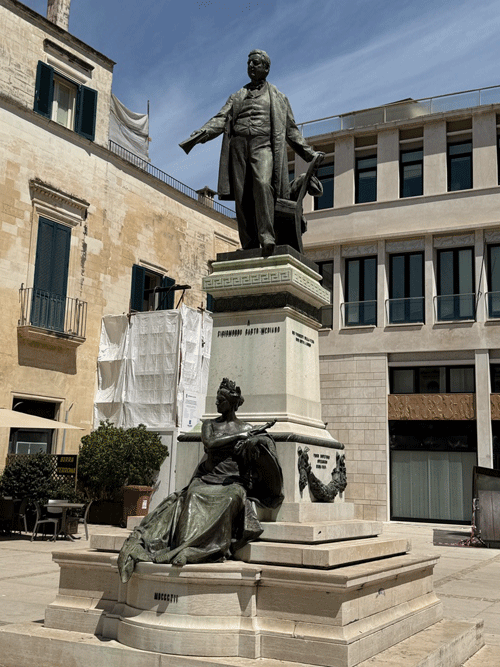
The statue of Sigismondo Castromediano and the personification of Liberty in Lecce, Italy. Pictured is a statue honoring Sigismondo Castromediano. He was a patriot , archaeologist and Italian scholar. In 1848 he was jailed with thirty-five other political defendants for conspiring against the Bourbon monarchy by having participated in a riot in Lecce. Eleven years later in 1859 he was granted exile to the United States but ended up in Turin, Italy, supporting the unification of Italy. After unification he was elected to the Chamber of Deputies in the ranks of the Right , having access to the first Italian Parliament. He later established an archaeological museum named after his name. At the bottom front is a statue of a lady, the personification of Liberty.
(Courtesy of www.dreamstime.com) |
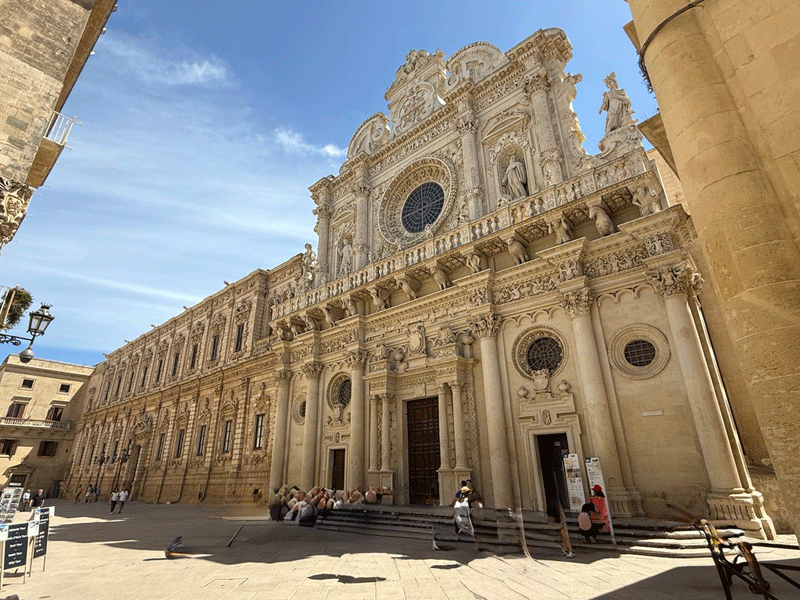
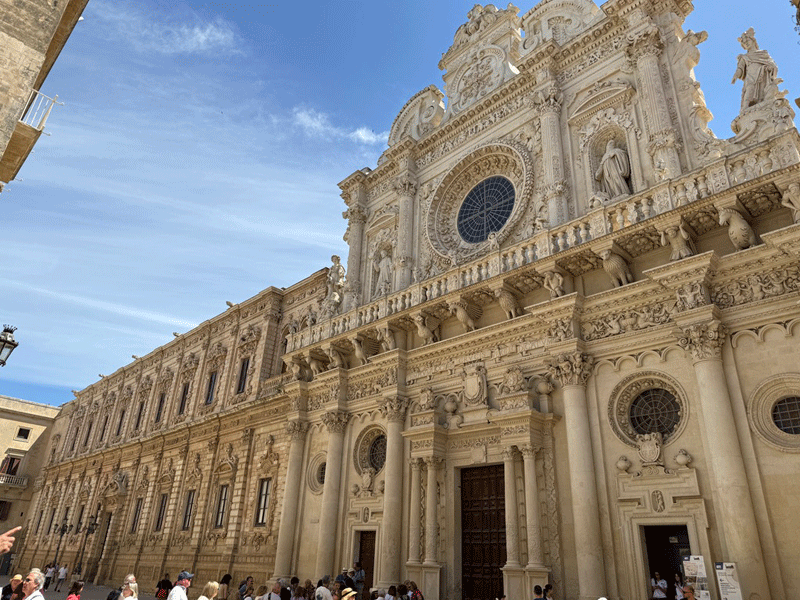
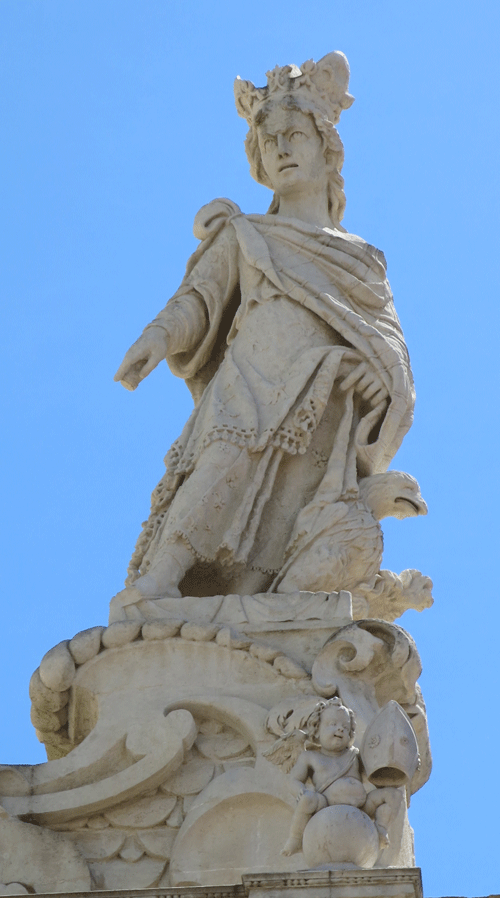
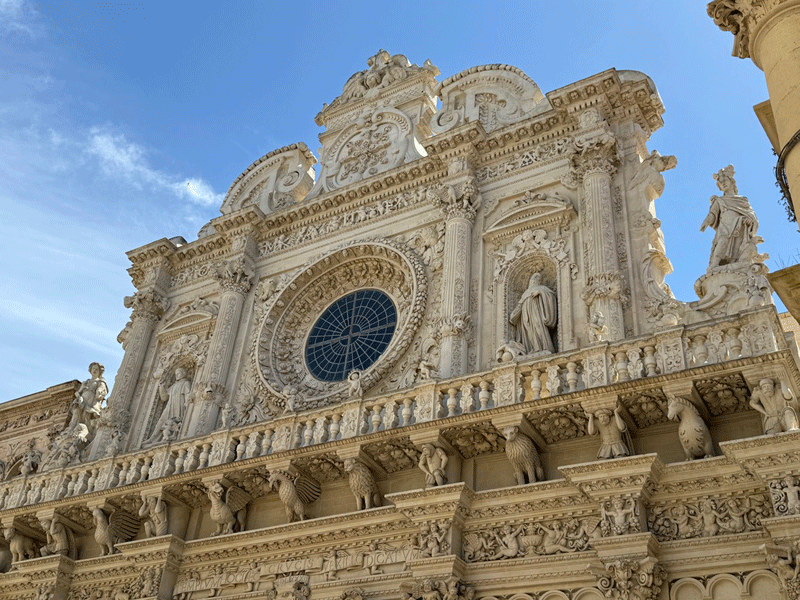
Basilica of Santa Croce and the Celestine Convent, completed in 1699
Arriving in Lecce in the XIV century, the Celestines built Santa Croce Church to house the relics of the True Cross, near the Castle of Lecce. The ancient church was demolished during the enlargement works of the Castle on request of Charles V during the mid sixteenth century. The present structure was built between 1549 and 1646 in the ancient area of San Martino, which during the medieval age housed the Giudecca after the Jewish expulsion from the Naples Reign in 1541.
The most important sculptors and architects of the Renaissance and Lecce Baroque, such as Gabriele Riccardi, Cesare Penna and Francesco Antonio Zimbalo contributed to the church building and decoration.
The inside structure, illuminated by the sixteenth century dome, shows baroque altars among which the San Francesco’s one stands out for its artistic importance, a work of Francesco Antonio Zimbalo.
(Courtesy of www.chieselecce.it) |
Piazza Sant'Oronzo
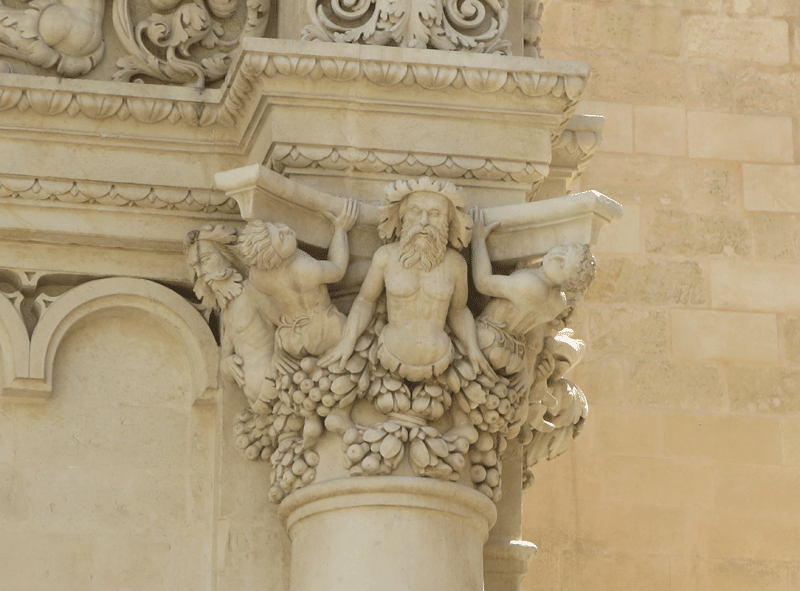
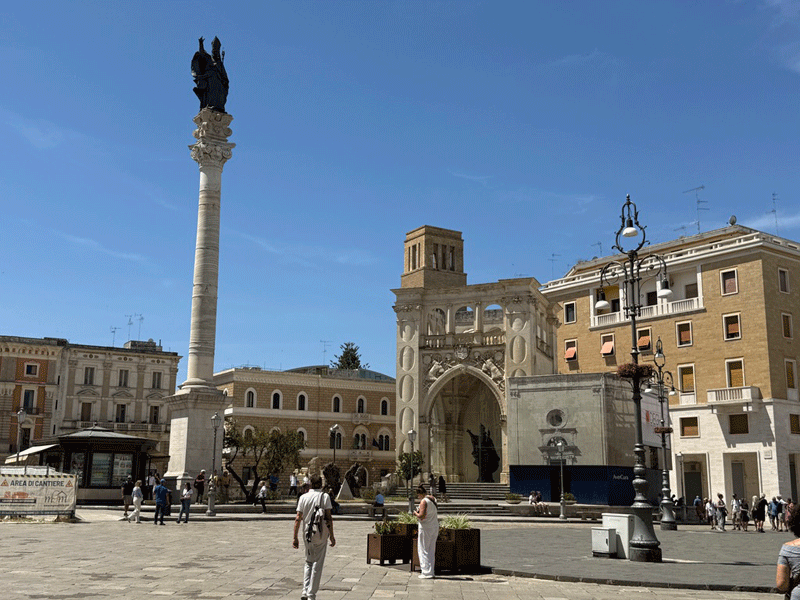
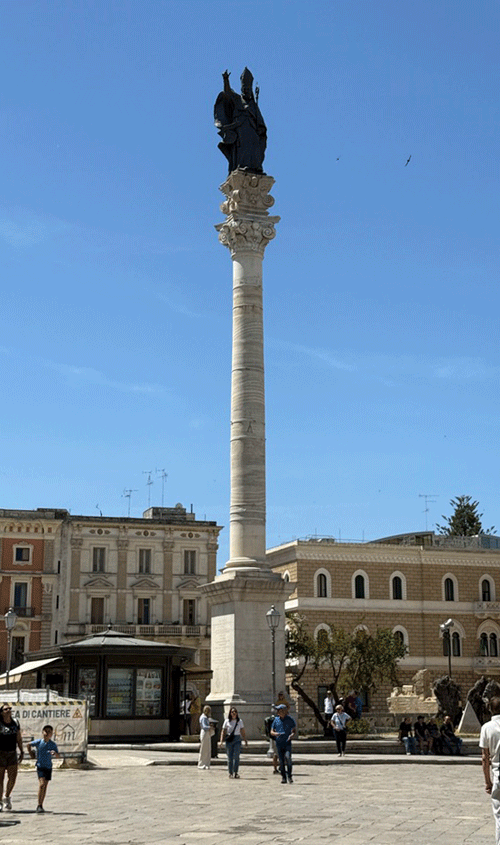
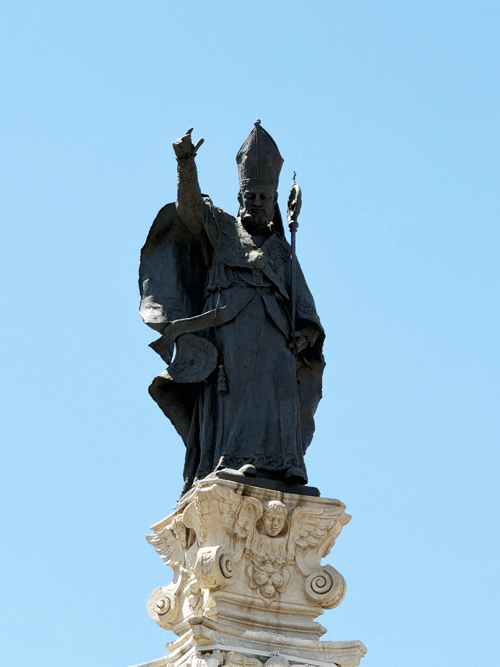
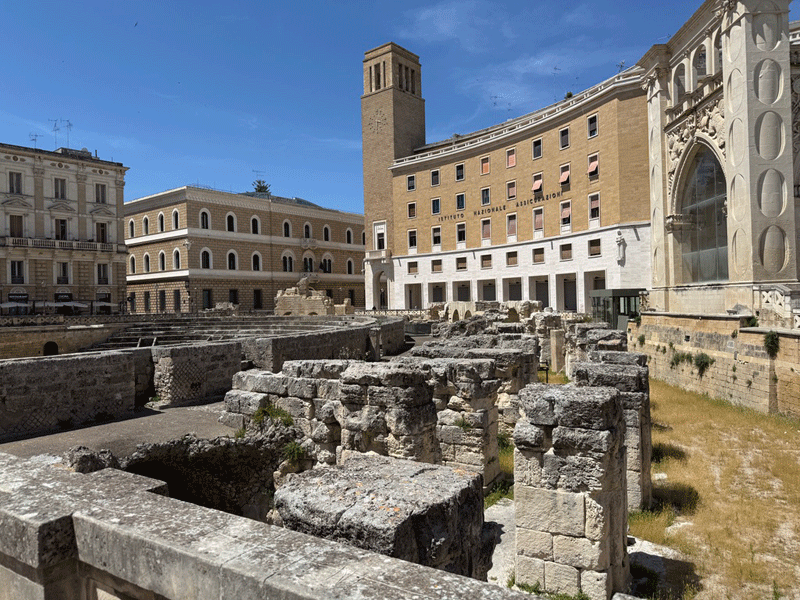
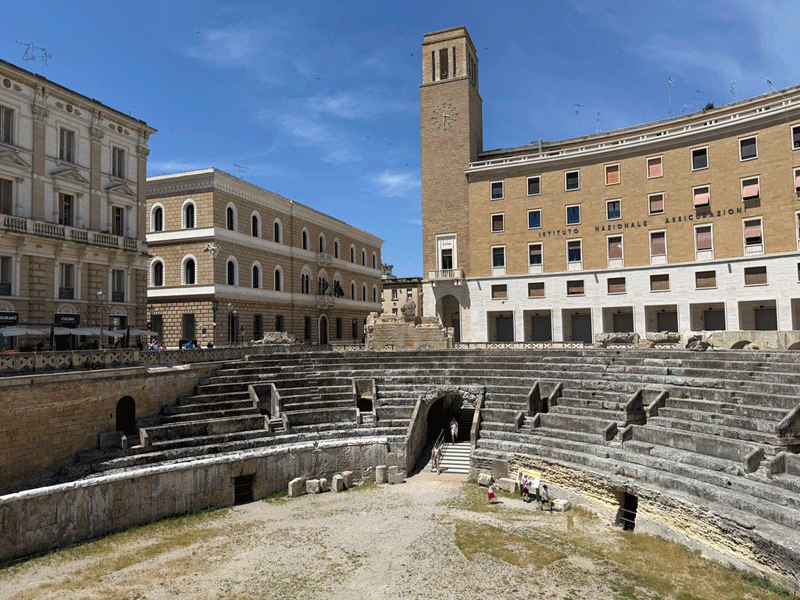
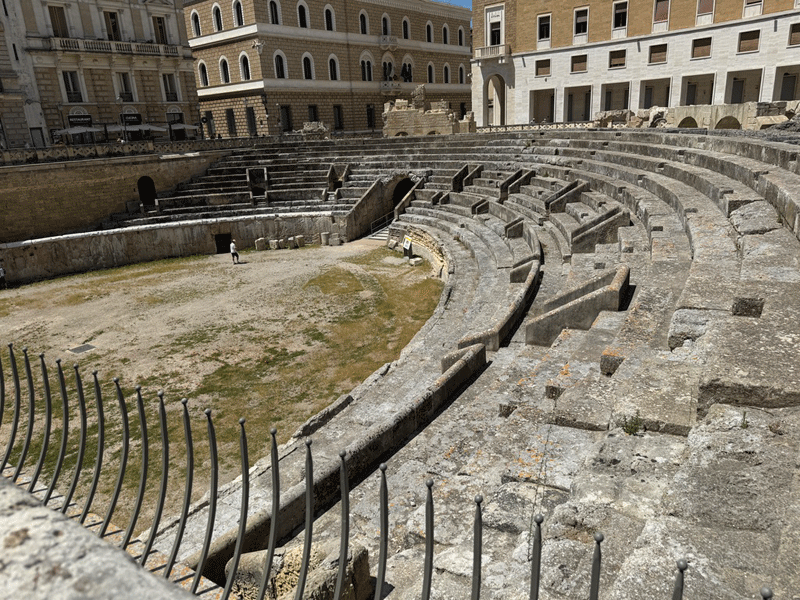
| Piazza Sant'Oronzo is the vibrant historic heart of Lecce, Italy. It uniquely blends millennia of history, featuring a 2nd-century Roman Amphitheater, the soaring 17th-century Column of the city's patron saint, and a distinctive mosaic of the city's she-wolf coat of arms |
Sant'Oronzo.
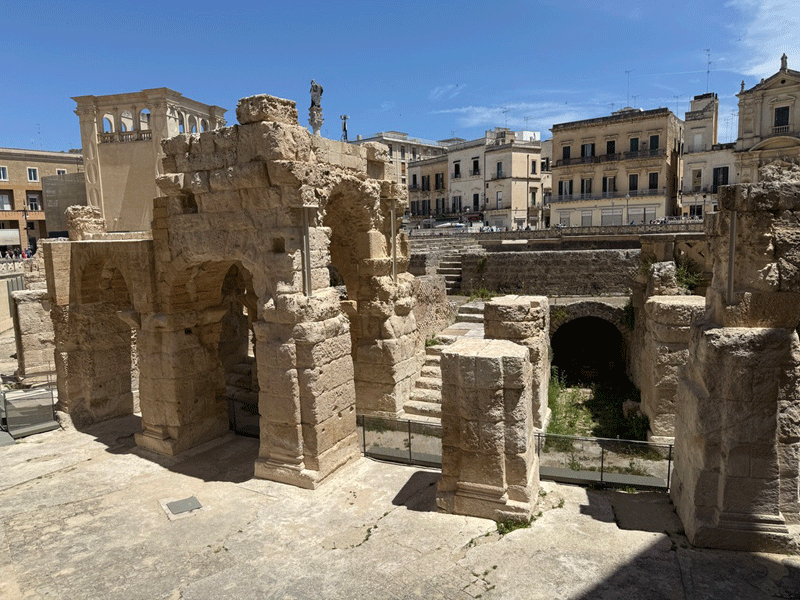
The Roman ruins
| The amphitheater is the most important testimony of Lupiae, the ancient name of Lecce, Roman era. It is thought to be dated between the I and the II century AD, between the age of Augustus and Trajan-Hadrian. The amphitheater accommodated about 25,000 spectators!
Until the last century, no one knew of its existence. In fact, the amphitheater was discovered during the construction of the building of the Banca d’Italia by some workers in the early 1900's and Mussolini financed its restoration. It was completely covered under the city; even now it is only partially visible. The side that is still covered features some historic buildings, including the Church of Santa Maria della Grazia, which could obviously not be demolished
(Courtesy of www.stayciao.com) |
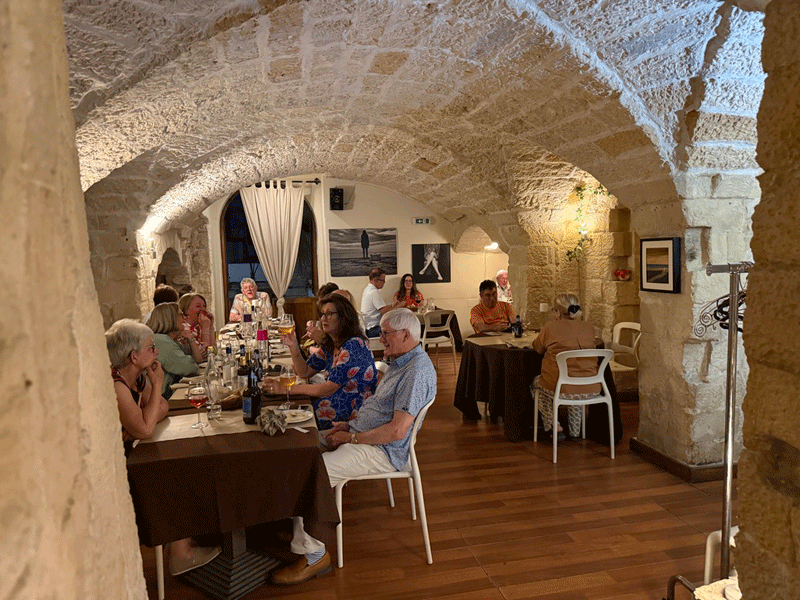
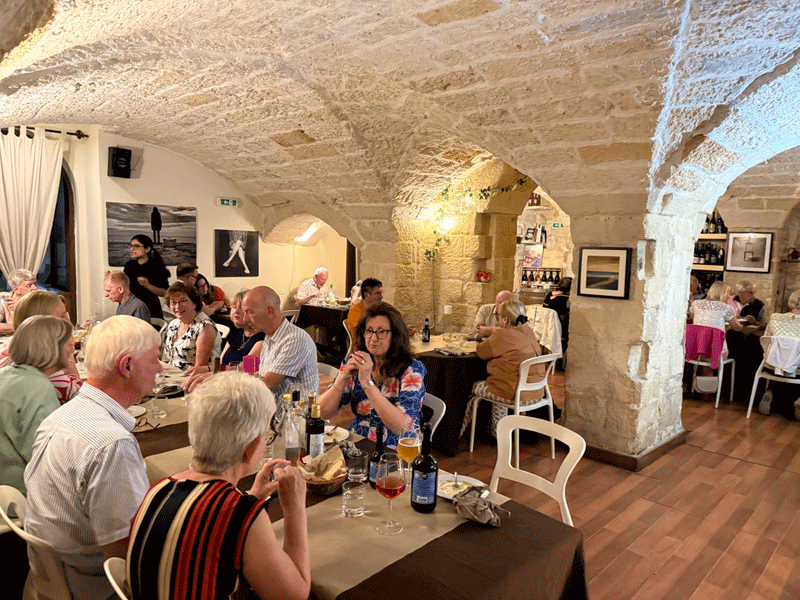
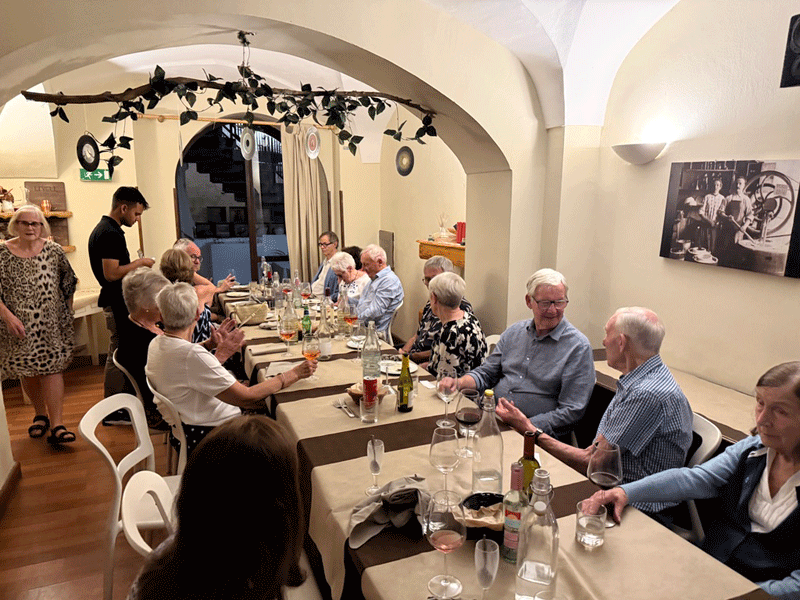
Dinner in Lecce

|