Saturday 6th June 2026
Located just outside the iconic Sassi di Matera, this 18th-century baroque church is curiously adorned with numerous skulls, skeletons, and other death-related decor.
The Chiesa del Purgatorio (Church of Purgatory) was built between 1725 and 1747. It, like other “purgatory churches,” was constructed as a place for people to pray for the souls trapped in limbo between heaven and hell.
The upper part of the facade shows angels, fruit baskets, and penitents wrapped in flames. On the lower part, the wooden door is divided into 36 squares. It’s decorated with four skulls of nobles and clergymen and just under these, four skulls representing common people, with four more on the side of the entrance.
Some bones also adorn the other squares of the door. Above the wooden door, on the tympanum, two skeletons, one with a scythe and one with an hourglass, stand next to an emblem showing a skull and a person between flames. The side doors also feature skulls above them.
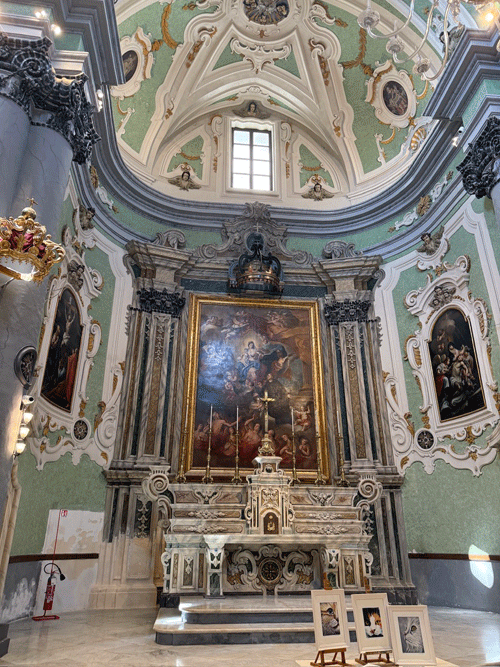
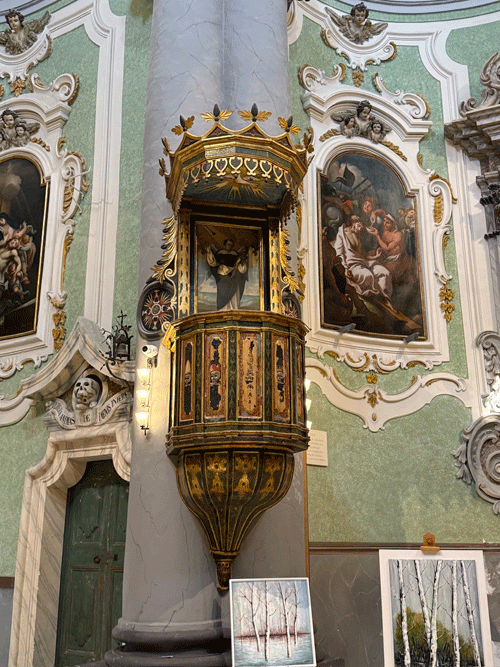
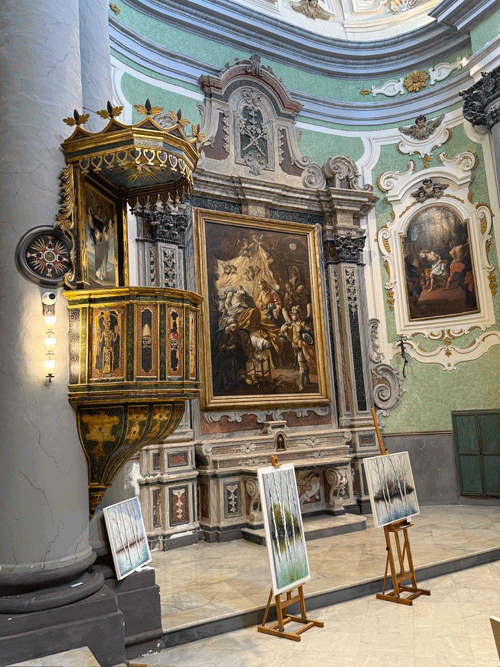
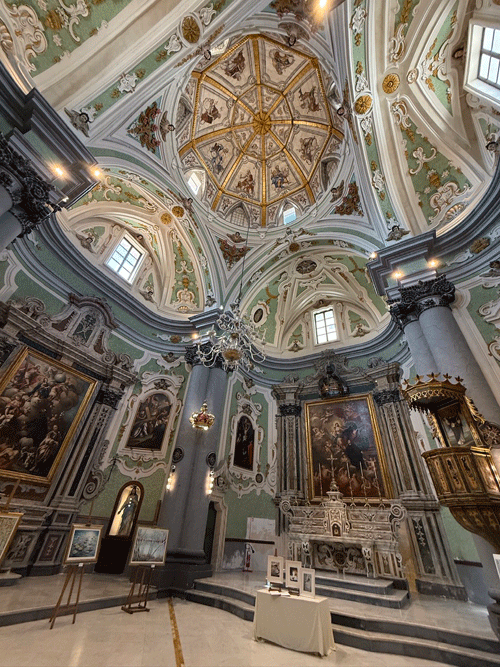
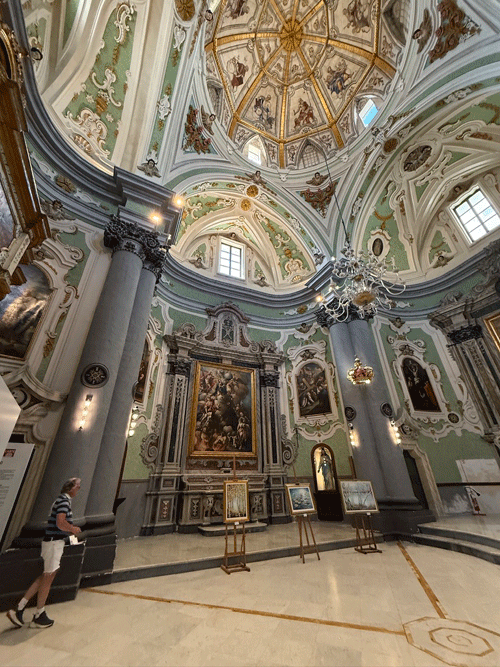
Inside the church, there are paintings representing the souls stuck in purgatory and various saints. Many other small decorations with skulls and skeletons can also be found in various places. A pipe organ dating back to 1755 is above the entrance on the inside.
(Courtesy of www.atlasobscura.com) |
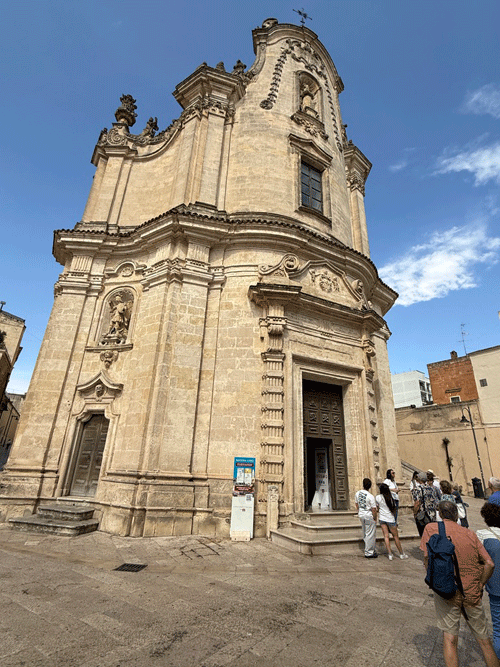
The facade is imposing, richly decorated with skulls, skeletons and mysterious symbols. The Church of the Sacred Souls in Purgatory is an 18th century jewel which conveys the message "Remember, you will die!" Construction began in 1722 on a project designed by the architect Giuseppe Fatone from Andria and commissioned by the Confraternity of the Sacred Souls in Purgatory. The temple was meant to be a place where to pray for the souls awaiting salvation. This impressive edifice is a veritable example of how religion and art blend harmoniously, a place where every detail recounts something about life, death and hope for redemption.
The side entrances to the church are watched over by two archangels - Michael and Raphael who stand for victory over evil and divine providence.
In the he upper part completed in 1774, a feast of flowers and the figure of saints and the Virgin Mary, standing for eternal salvation, symbolize the final destination of the souls that have atoned for their sins, that is paradise. |
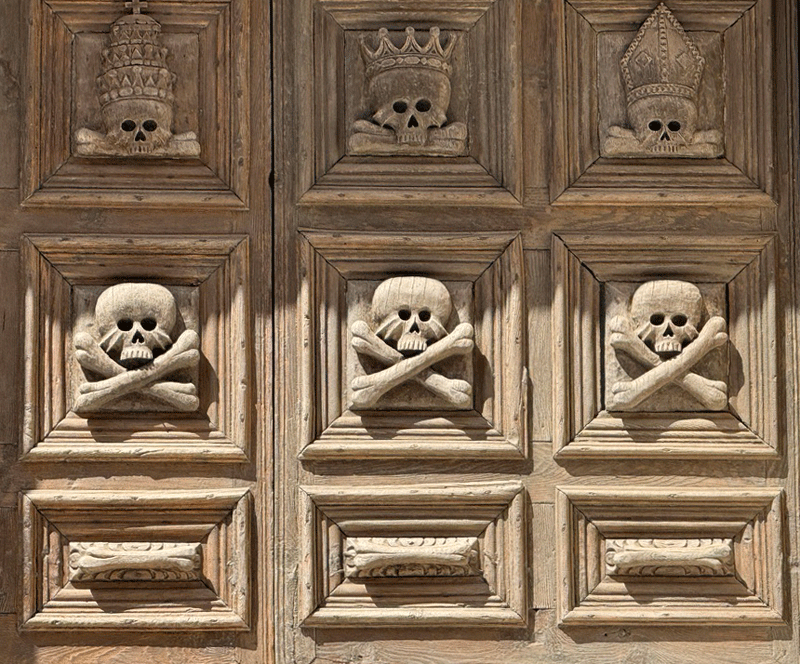
| In the lower part completed in 1747, skulls and bones are predominant on the portal by Lorenzo Sarra. It is made up of 36 walnut panels decorated with skulls and crossed shin bones or simply bones, each representing a different social class or social function (Pope, king, bishop, priest or simple people) but what they all have in common is death. |
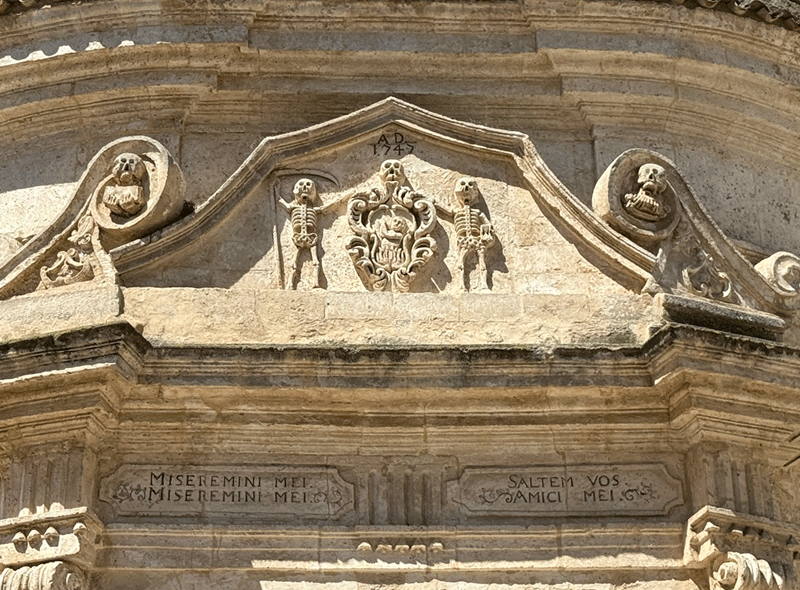
| In the tympanum stand two skeletons - one holds up a scythe and the other an hourglass, symbolizing the transcendence of human life. Between them is the emblem of the Co fraternity - a human figure surrounded by flames. Above the portal is the inscription in Latin from the Book of Job "Miseremini mei, saltem vos amici mei" (At least you, my friends, have pity on me!) |
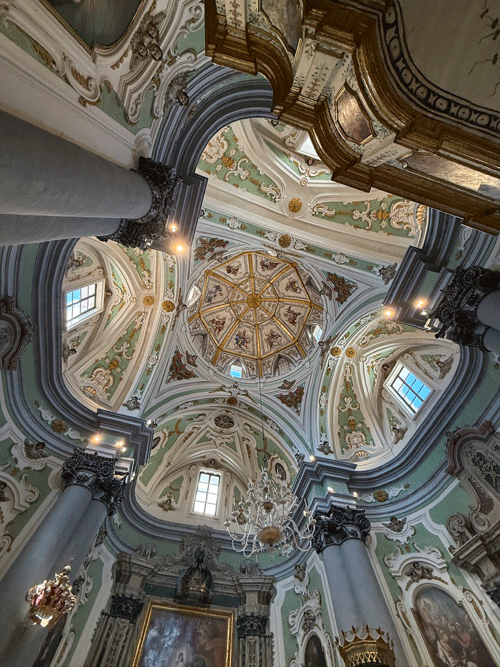
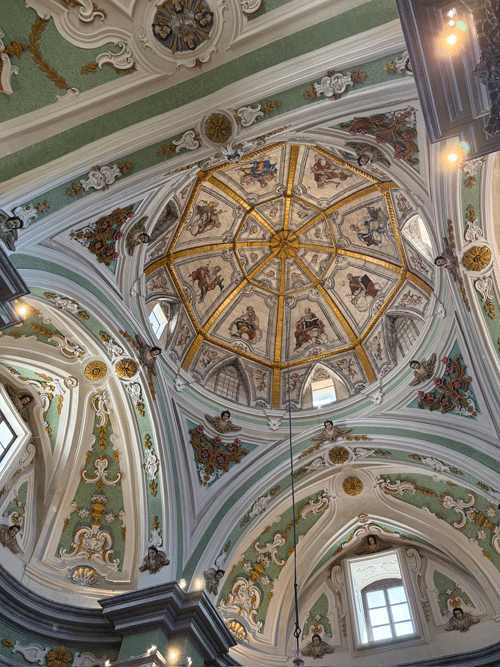
| Inside the dome, which is divided into eight parts, are the figures of the four evangelists (Matthew, Luke, Mark and John) as well as the first four doctors of the Church (Augustine, Ambrose, Jerome and Gregory the Great) |
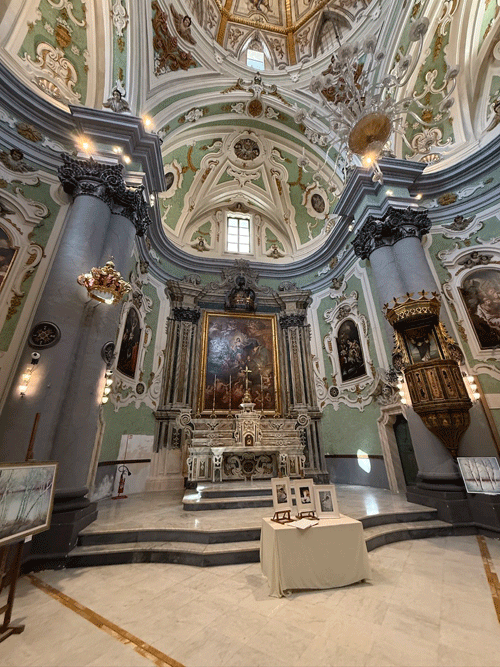
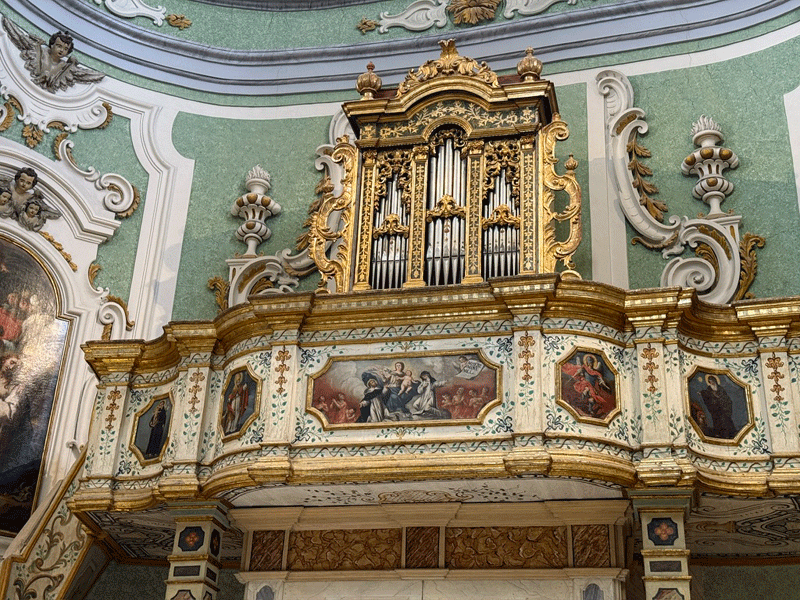
The organ
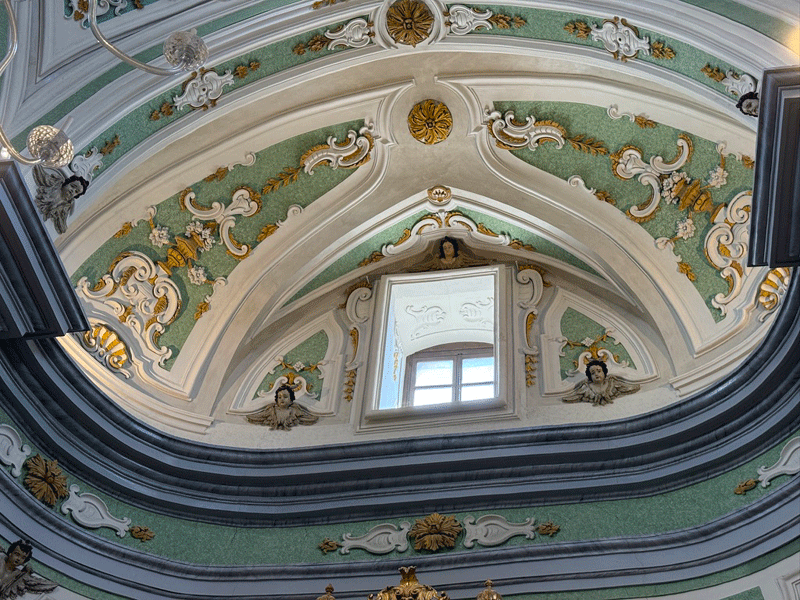
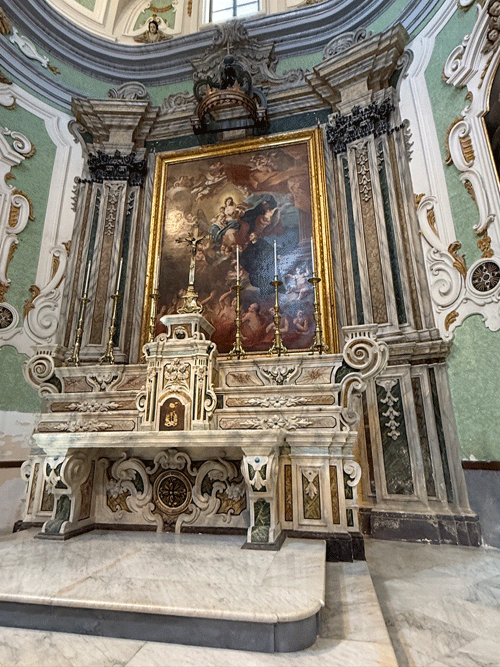
| Above the main altar, a painting depicts the Virgin Mary and Child, with St Nicolas of Tolentino interceding for the souls atoning for their sins in purgatory. |
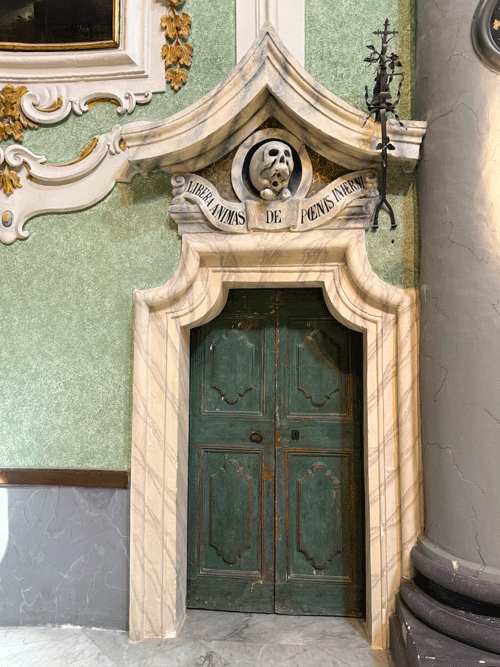
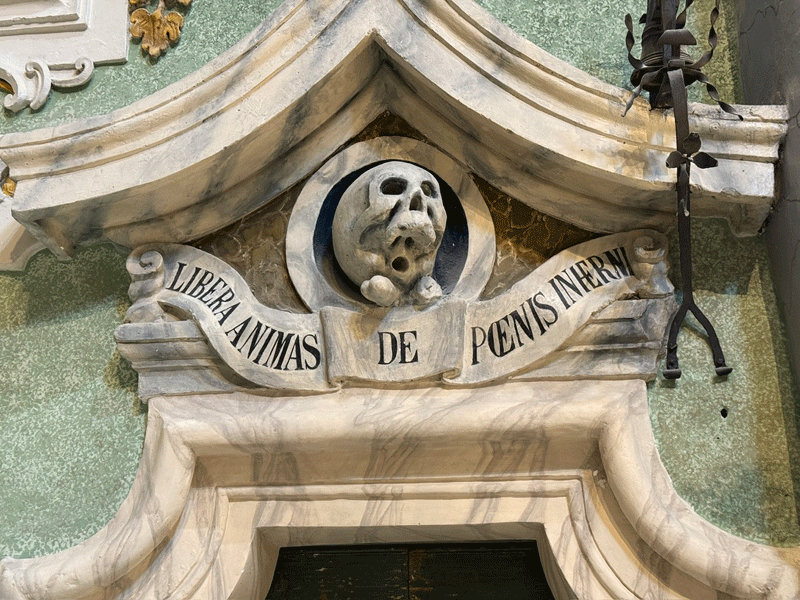
Libera Animas de Poenis Inherni - Free Souls from the Punishments of Hell
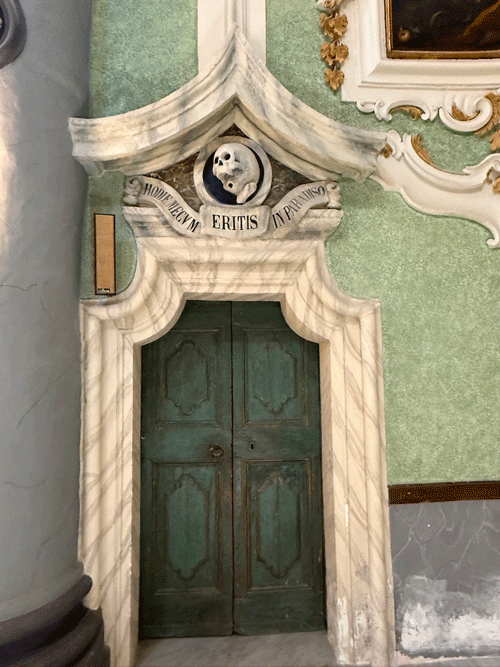
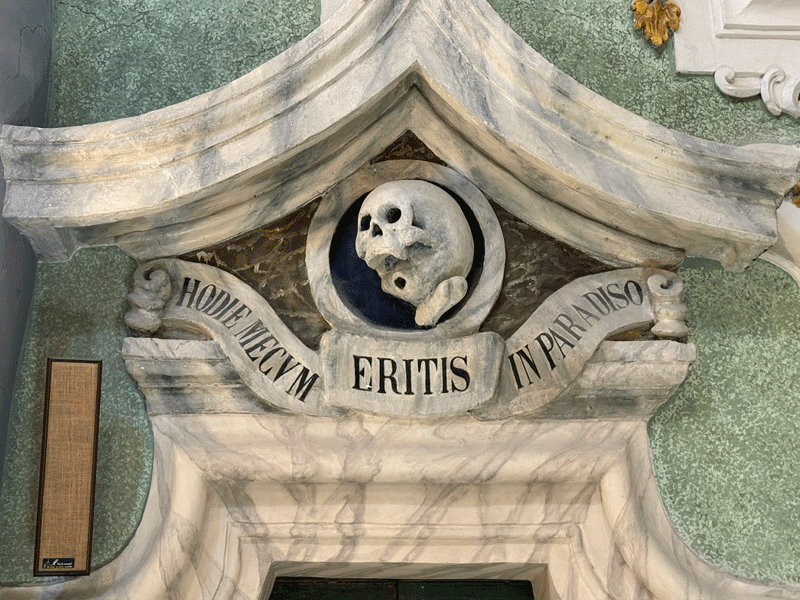
Hodie Mecvm Eritis in Paradiso - Today you will be in Paradise.
|