Thursday 4th June 2026
| Bari, the vibrant capital of Italy's Puglia region, perfectly blends a bustling historic old town (Bari Vecchia) with a modern urban energy. Famous for its winding medieval alleys, incredible street food, and the longest seaside promenade in Italy, it is an essential gateway to southern Italy |
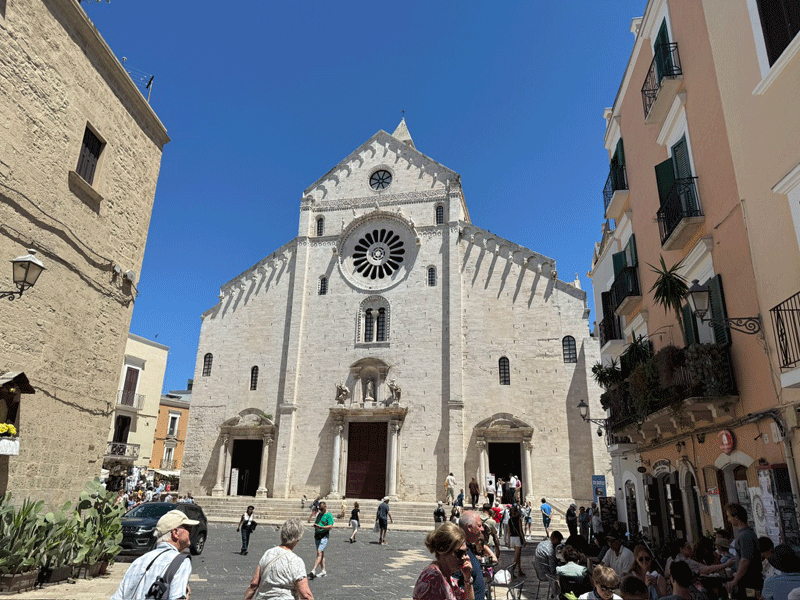
Cathedral of Saint Sabinus
Bari Cathedral, or Cathedral of Saint Sabinus, (Italian: Duomo di Bari or Cattedrale di San Sabino) is the cathedral of Bari. The cathedral is the seat of the Archbishop of Bari-Bitonto, as it was previously of the archbishops, earlier bishops, of Bari. It is dedicated to Saint Sabinus, a bishop of Canosa, whose relics were brought here in the 9th century. It is senior to, though less famous than, Apulia's Basilica of St Nicholas.
The present building was constructed between the late 12th and late 13th centuries, mostly in the last thirty years of the 12th century, and was built on the site of the ruins of the Imperial Byzantine cathedral destroyed in 1156 by William I of Sicily known as the Wicked (il Malo); to the right of the transept it is still possible to observe traces of the original pavement which extends under the nave.
(Courtesy of Wikipedia) |
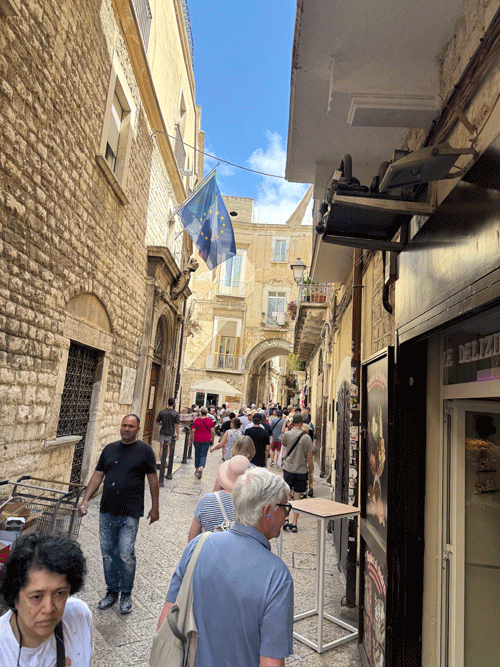
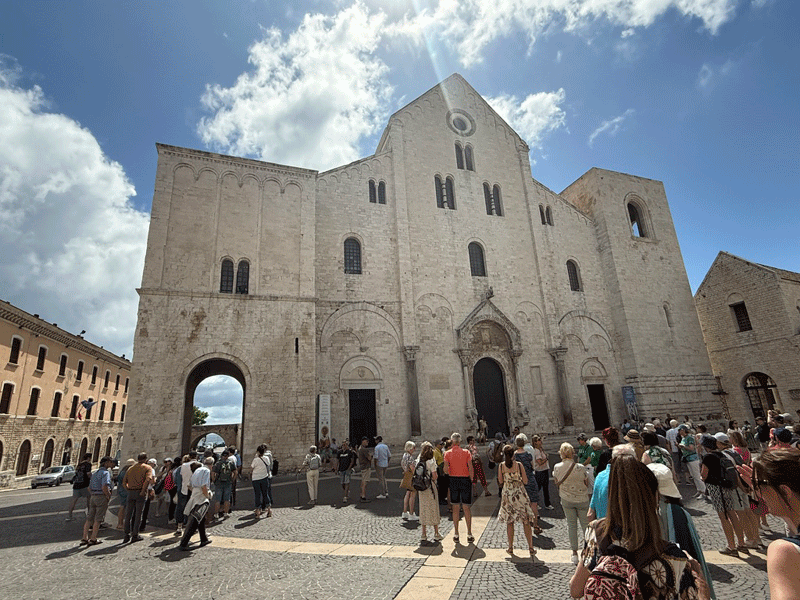
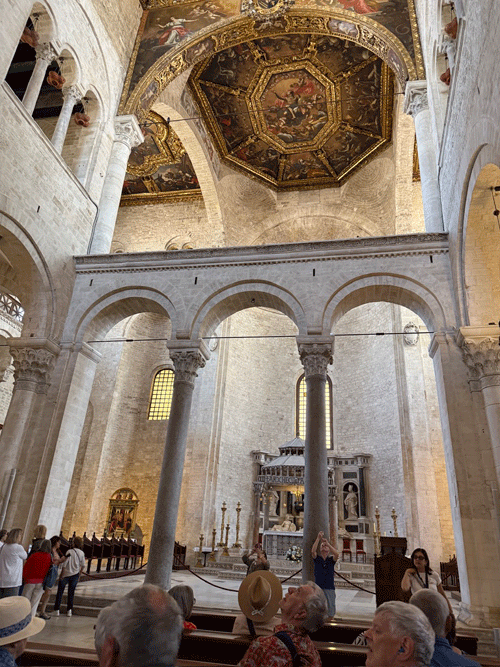
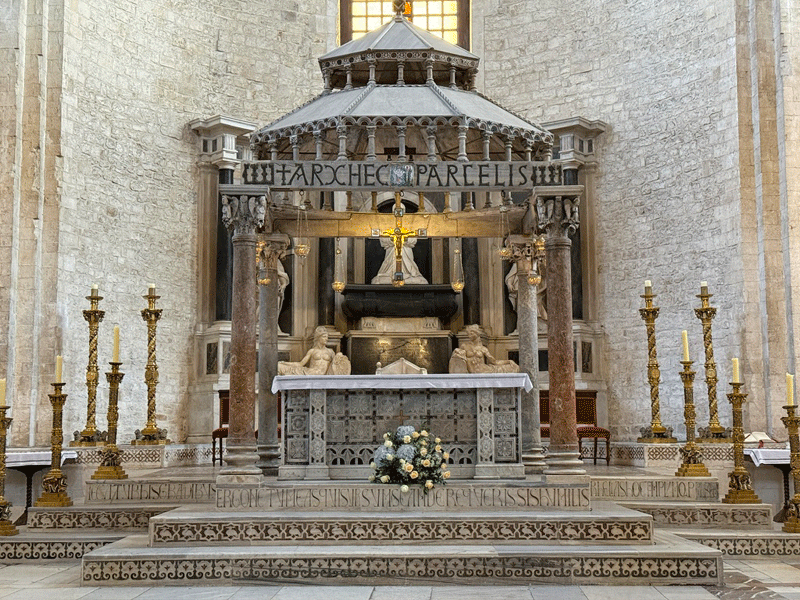
Basilica San Nicholas
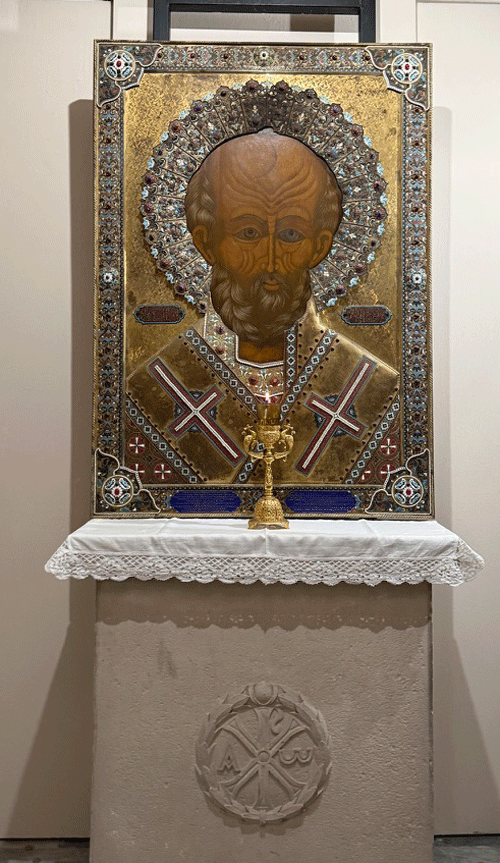
The shrine is designated a basilica by the privilege of immemorial status. It is an important pilgrimage destination both for Catholics and Orthodox Christians.
The basilica was built between 1087 and 1197, during the Italo-Norman domination of Apulia, the area previously occupied by the Byzantine Catapan of which Bari was the seat. Its foundation is related to the recovery of some of the relics of Saint Nicholas from the saint's original shrine in Myra, in what is now Turkey. When Myra passed into the hands of the Saracens, some saw it as an opportunity to move the saint's relics to a safer location. According to the justifying legend, the saint, passing by the city on his way to Rome, had chosen Bari as his burial place. There was great competition for the relics between Venice and Bari. The latter won, the relics were carried off under the noses of the lawful Greek custodians and their Muslim masters, and on 9 May 1087, were safely landed at Bari. A new church was built to shelter Nicholas' remains and Pope Urban II was present at the consecration of the crypt in 1089. The edifice was officially consecrated in 1197, in the presence of the Imperial Vicar, Bishop Conrad of Hildesheim, and of numerous bishops, prelates and noblemen. Elias, abbot of the nearby monastery of Saint Benedict, was named as first archbishop. His cathedrav(bishop's throne) still stands in the church.
(Courtesy of Wikipedia) |
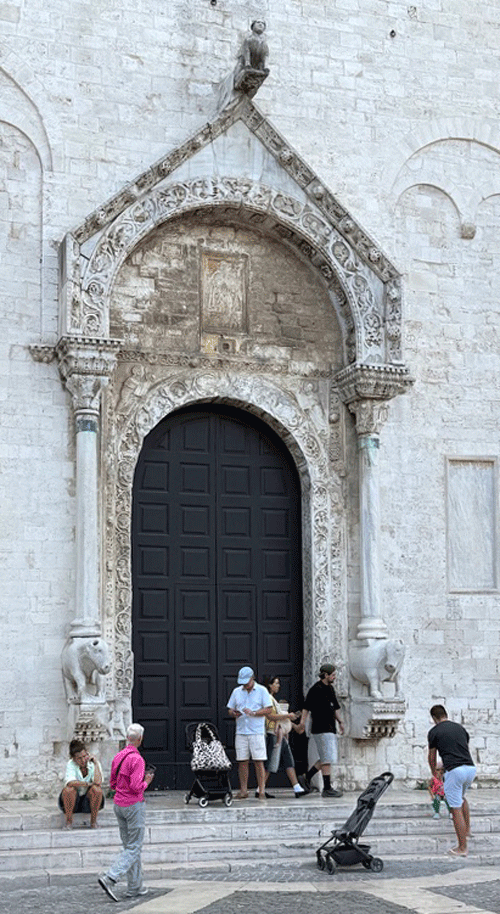
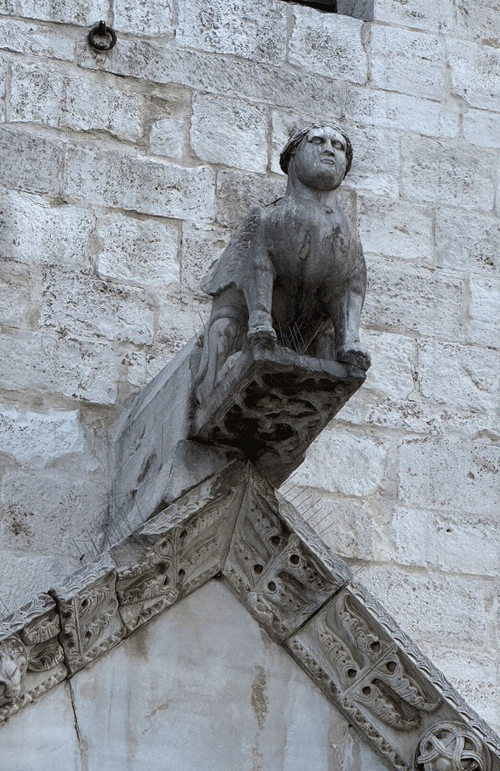
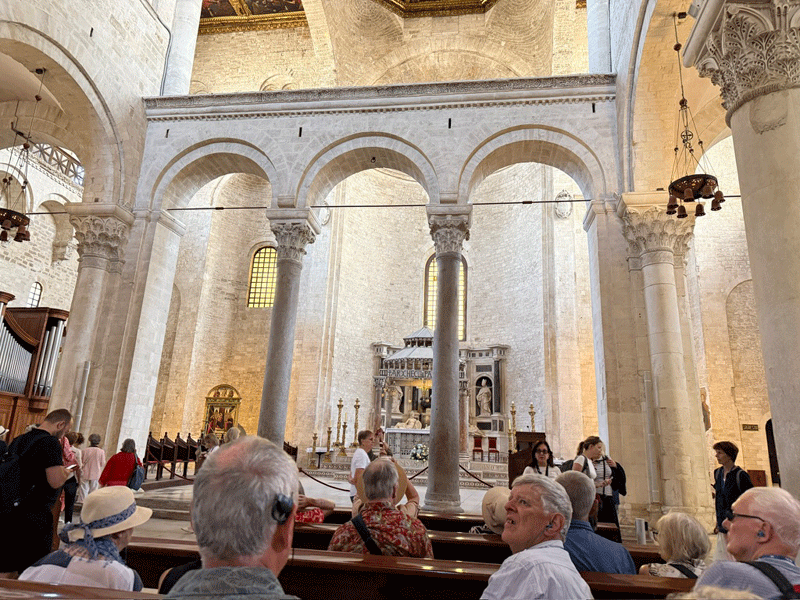
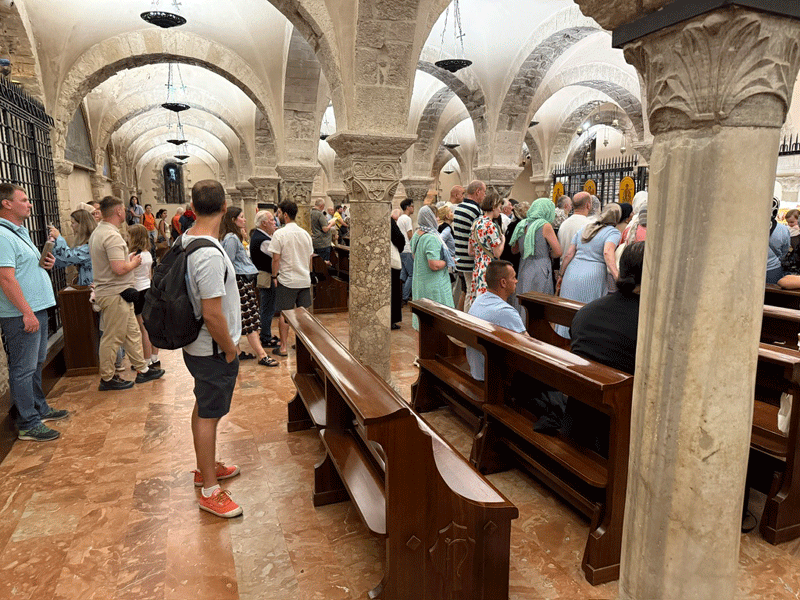
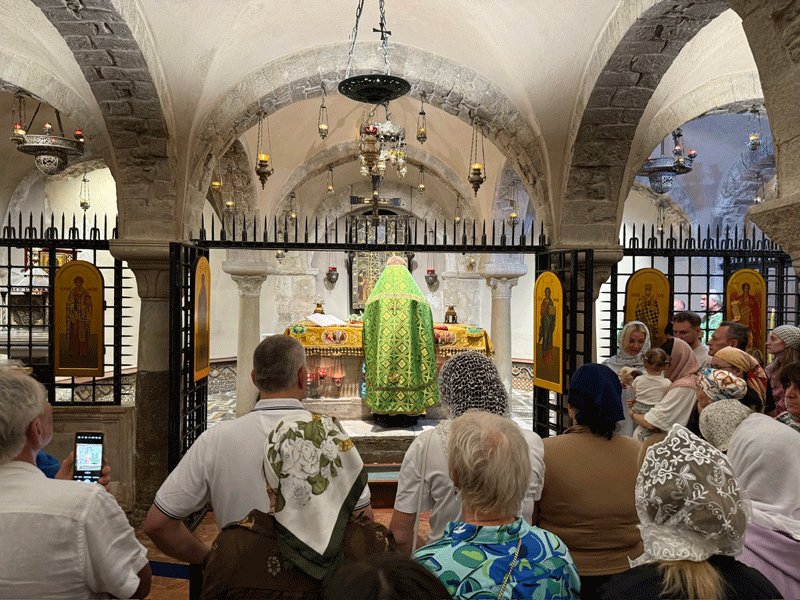
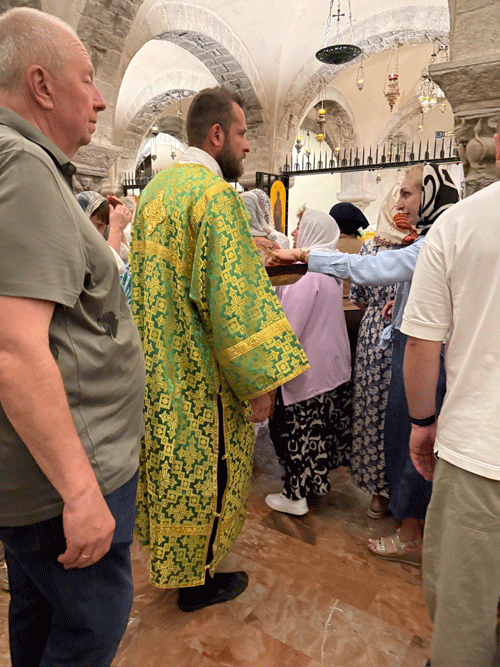
Greek orthodox priests manage the crypt area
|