
Monday 23rd March 2026
| As our flight arrived early in Lisbon we had time to wander the streets sightseeing after checking into the Maxime Hotel. We crossed Praça da Alegria went along Rua de Glória, and then climbed up the steep slope that is Calcada de Gloria. This is the route of the Glória Funicular (popularly also known as Elevador da Glória) is a hybrid funicular-tram line. It connects the Pombaline downtown (at the Restauradores Square) with the Bairro Alto (São Pedro de Alcântara Garden). Along with the Elevador do Lavra and the Elevador da Bica it is one of three such funiculars in Lisbon.
It opened in 1885, and electric-powered services were introduced in 1915, with two identical vehicles each carrying 42 people plus the conductor. The system was classified as a National Monument in 2002. On 3 September 2025, one of the cars derailed and collided with a building, resulting in 16 deaths. The service was subsequently suspended. |
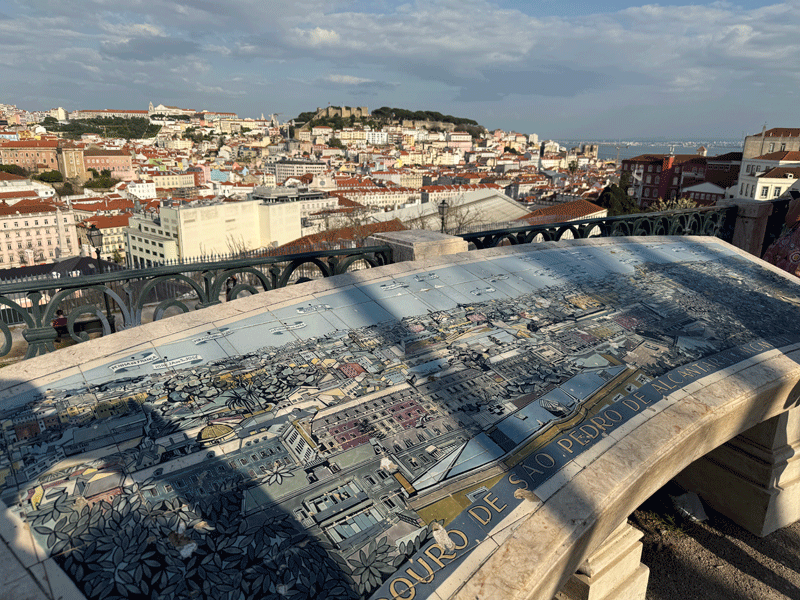
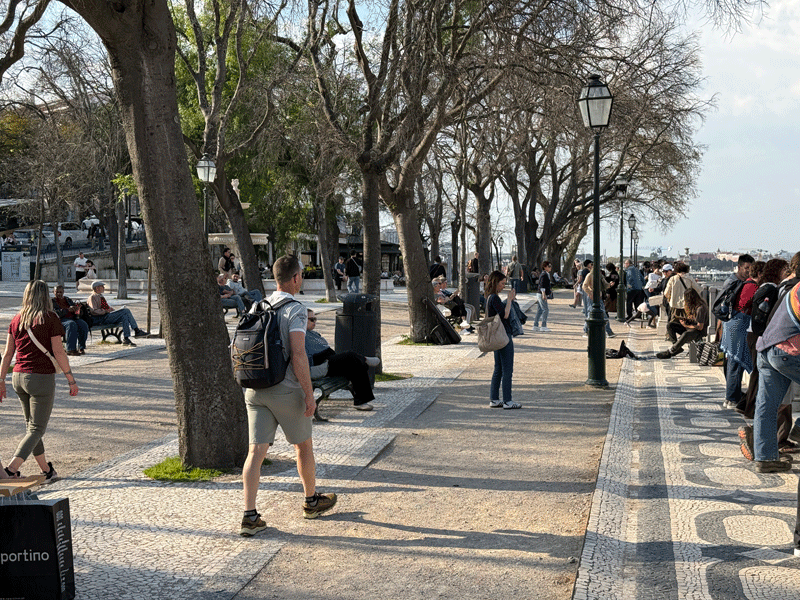
Miradouro de São Pedro de Alcântara
According to www.visitlisboa.com
The Miradouro de São Pedro de Alcântara is one of the largest and most iconic observation points in Lisbon. It’s right next to the top of the Elevador da Glória and offers a special panorama of the city. From here you can see all of the Avenida da Liberdade, Restauradores and Baixa, besides the Castelo de São Jorge with its imposing walls and photogenic crown of green pine trees. You can also see in full detail the Miradouro da Igreja da Graça, with its imposing church. This viewing point is unusual in that it is part of a beautiful and well cared for garden where you can enjoy a refreshing drink at the kiosk. You’ll also find an original map made of azulejos to identify some of the iconic places you can see. |
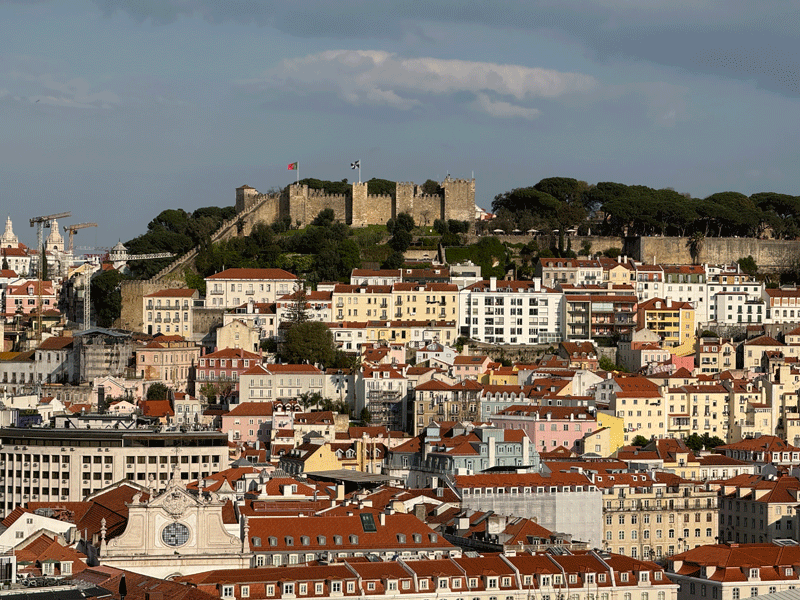
Castelo de São Jorge
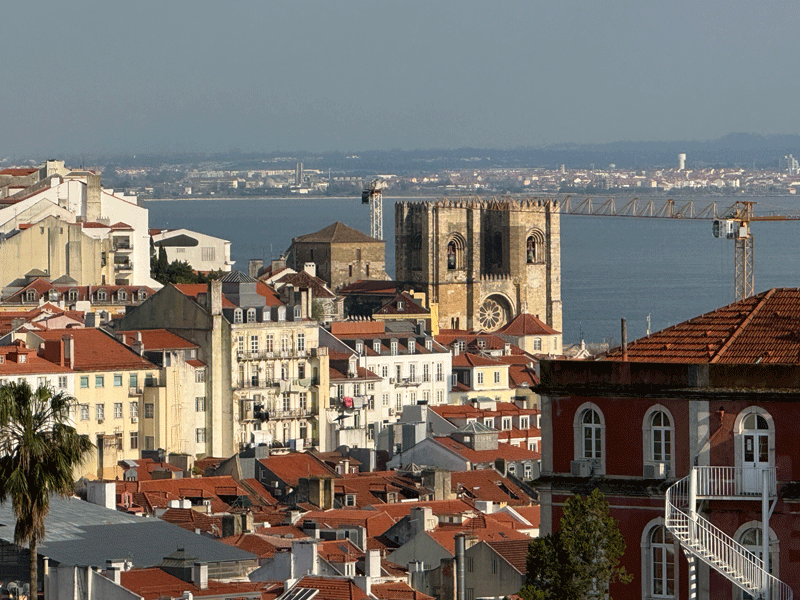
The Cathedral
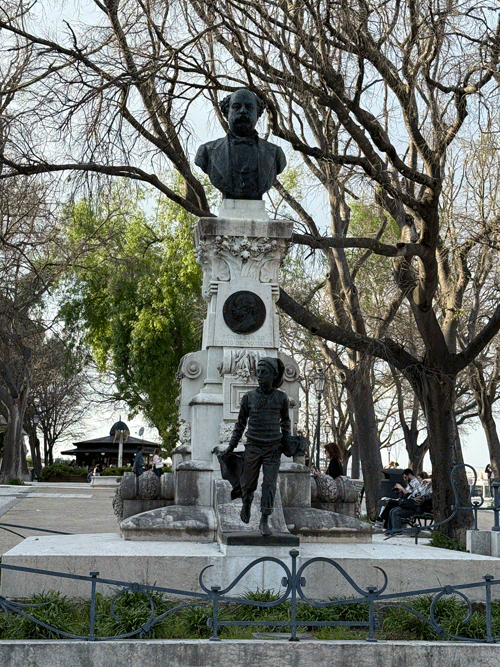
Monument to Eduardo Coelho
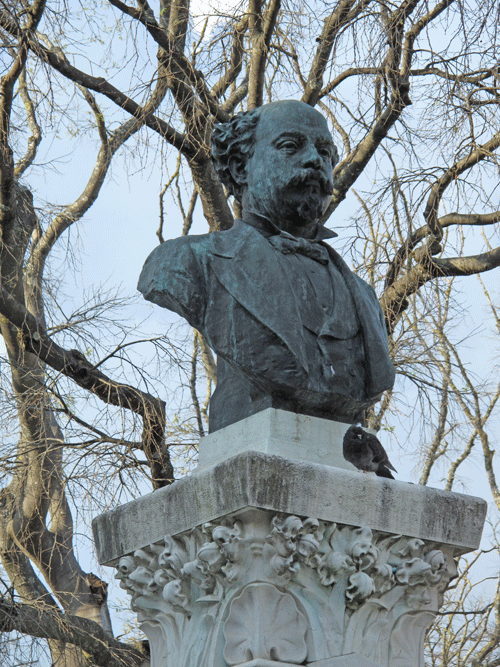
Monument to Eduardo Coelho, founder of the popular newspaper Diario de Noticias in 1864. He was founder of the popular newspaper Diario de Noticias in 1864. It features two bronze sculptures from Costa Motta and its complex base was produced by the architect Alvaro Machado. In addition to the bust of the journalist, there is a figure of an energetic boy in movement, a tribute to paperboys that crossed the city selling this newspaper. A bronze medal was added in 1914 for the commemoration of the 50 years of existence of the newspaper and features the effigy of Tomas Quintino Antunes, count of Sao Marcal, and co-founder of the newspaper in 1864.
Courtesy of www.dreamstime.com |
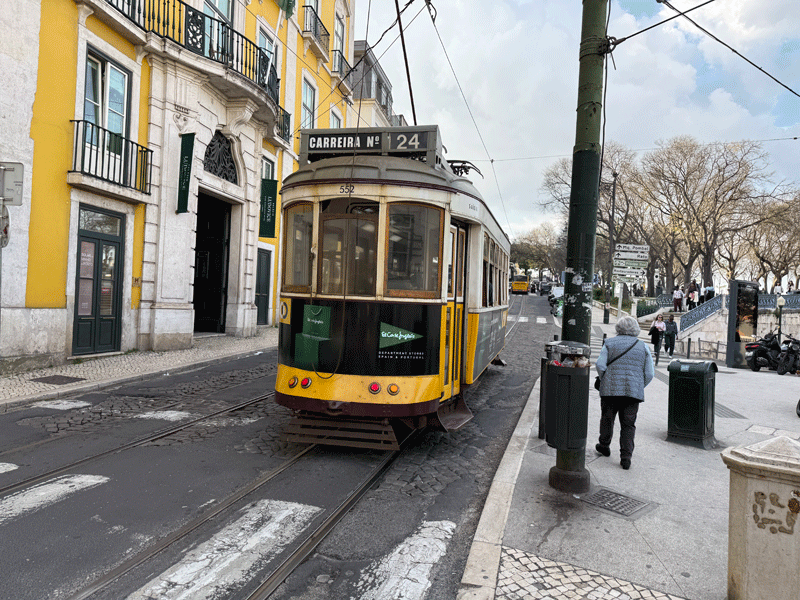
Tram car passing the top of the Elevador da Glória
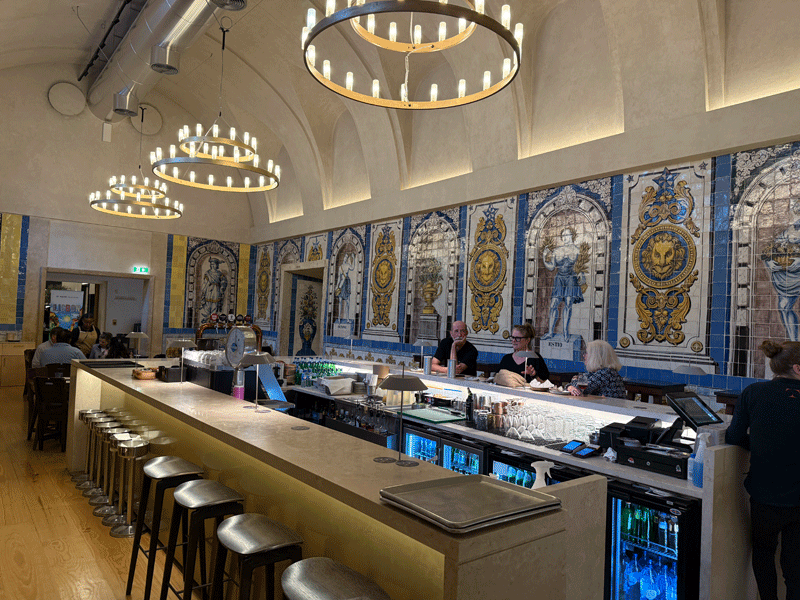
| Leaving the Miraduoro we walked down Rua de San Pedro de Alcantara, stopping for a snack at Chez Croissant. From here we turned into Rua Nova de Trindade and stopped by Cervejaria Trinidade, where we had eaten in 2007. Trindade is an historical monument: once a convent, it survived a major earthquake, recovered from two fires and bravely endured the passage of time. Today Trindade is renovated as a seafood and specialties brewery, bar and museum. We made a booking for dinner on the Wednesday night. |
Cervejaria Trindade
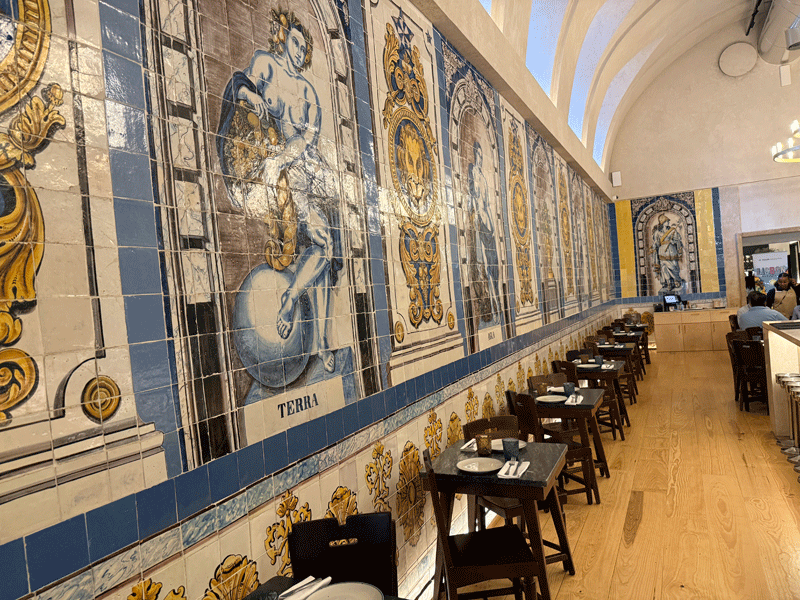
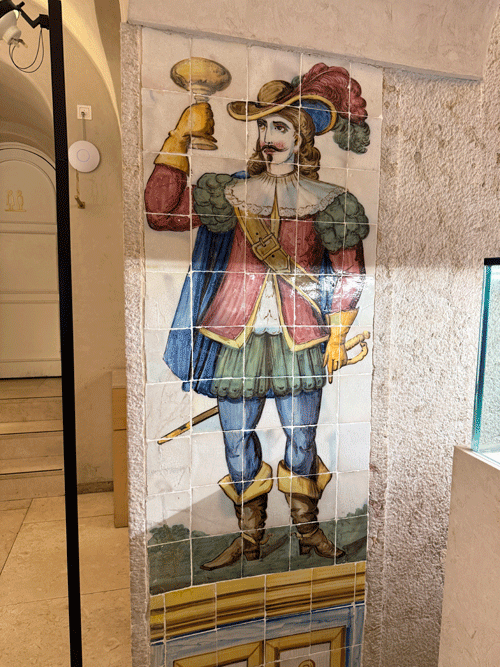
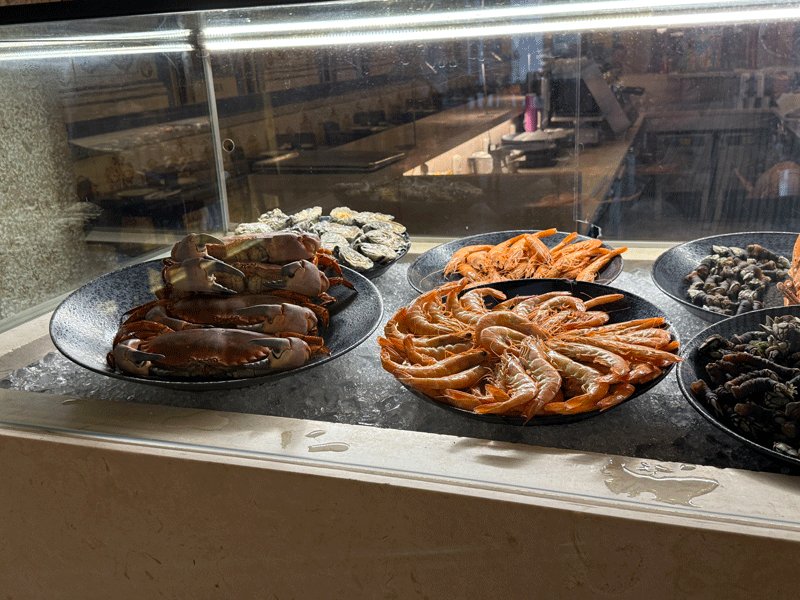
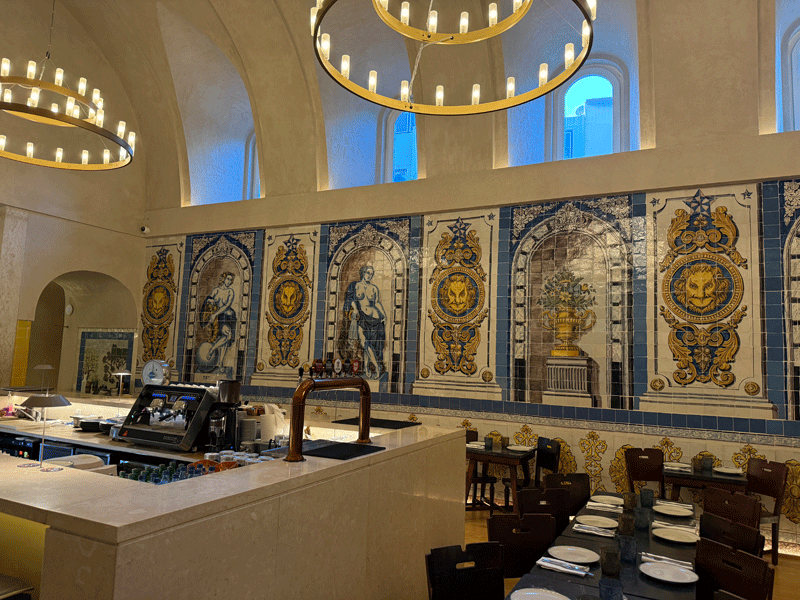
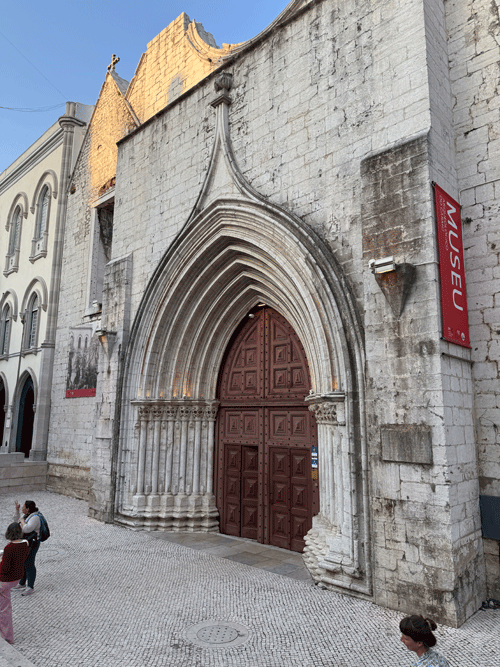
| We continued our walk, passing Lago de Carmo Plaza (Jacaranda trees) and Igreha do Carmo Church. The church is a poignant reminder of the 1755 earthquake with just the skeleton of the arches remaining. |
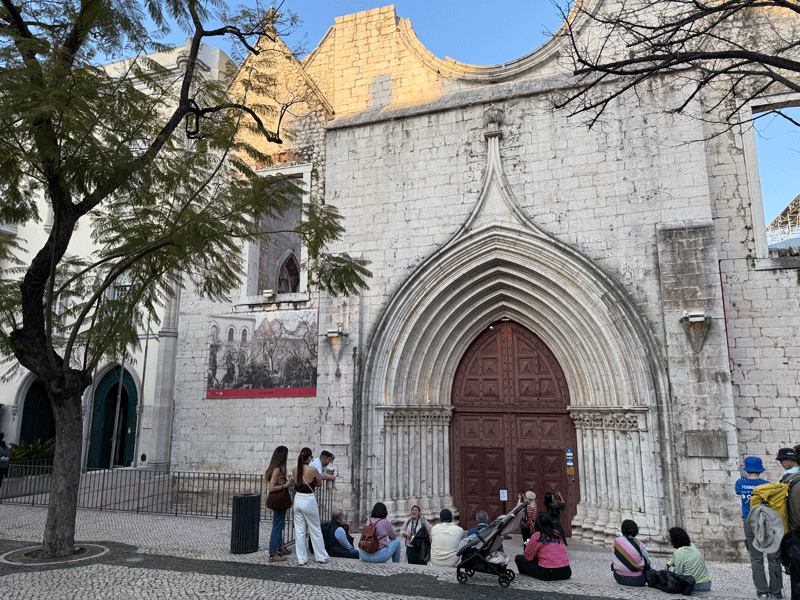
Igreha do Carmo Church
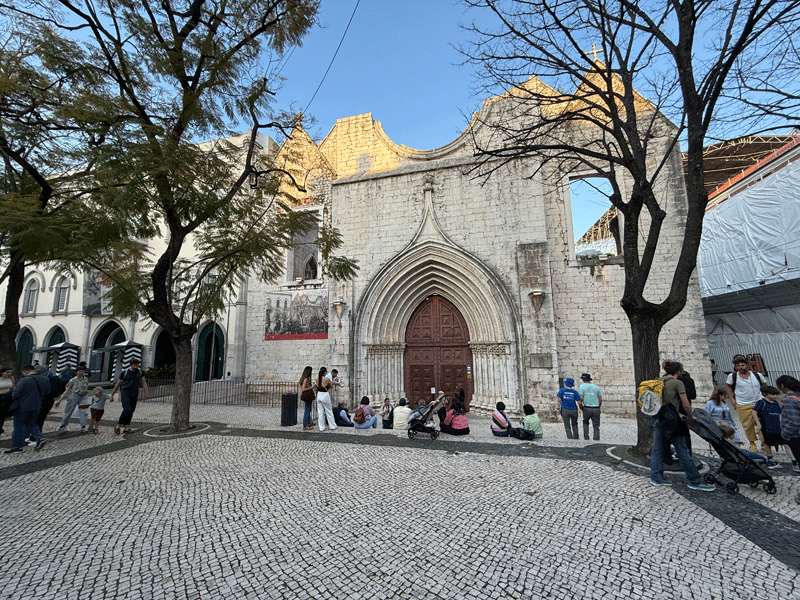
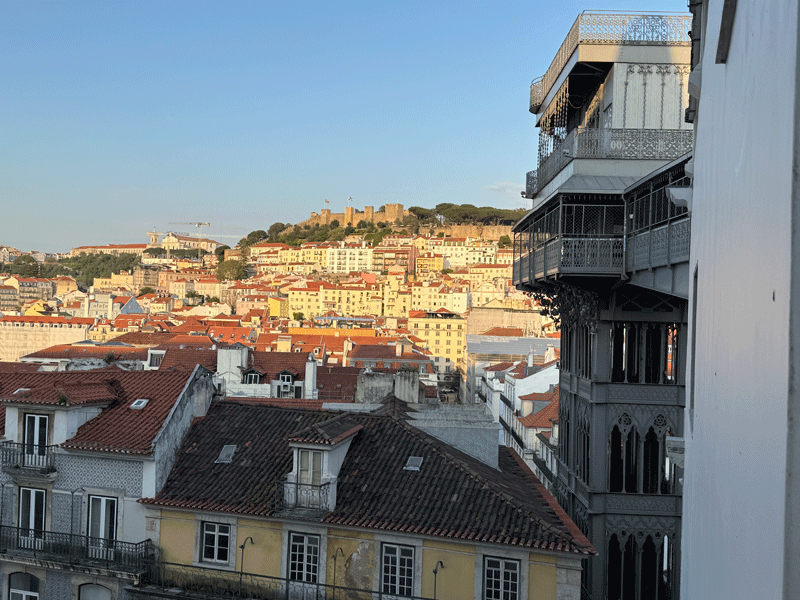
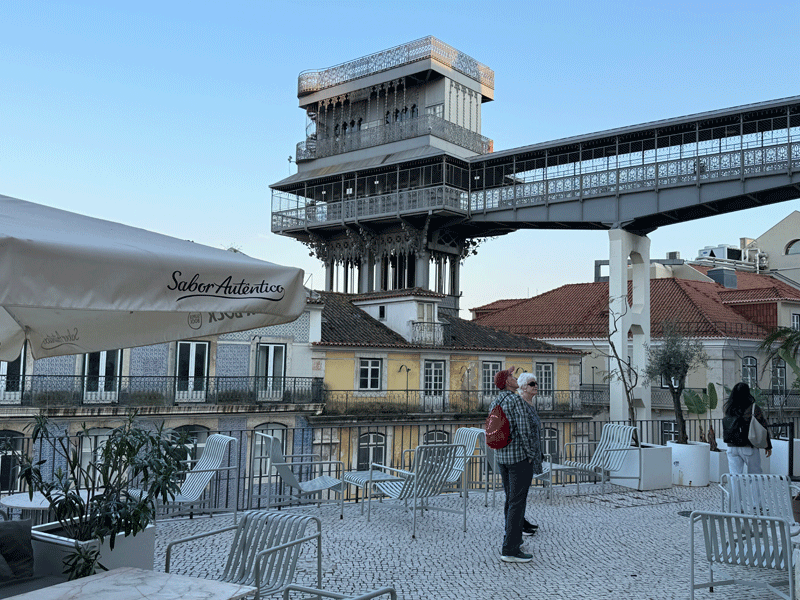
We headed towards the Elevador de Santa Justa intending to descend to the lower levels, but unfortunately it was not working and we had to take a torturous path to get down.
The Santa Justa Lift or Elevador de Santa Justa, is an elevator, connecting the lower streets of the Baixa with the higher Largo do Carmo (Carmo Square) and has been operating since 1902. |
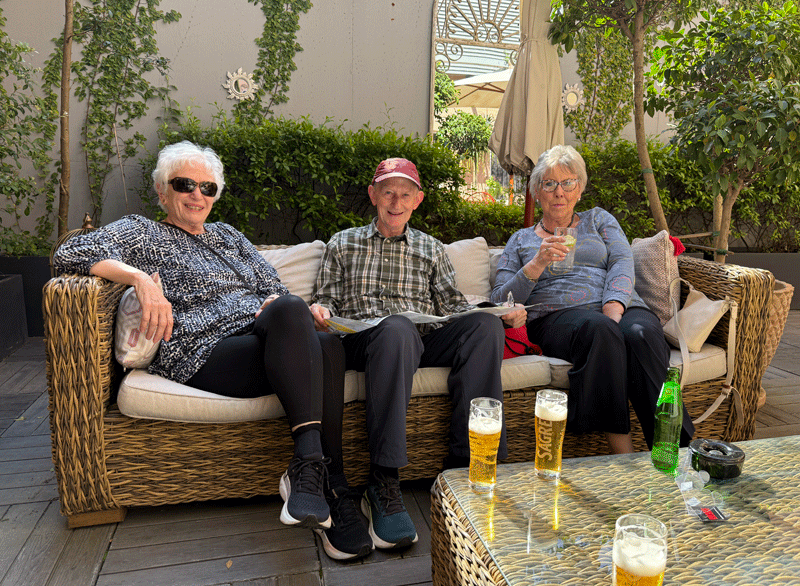
And finally a beer in the garden of Hotel Maxime
|