
Friday 27th March 2026
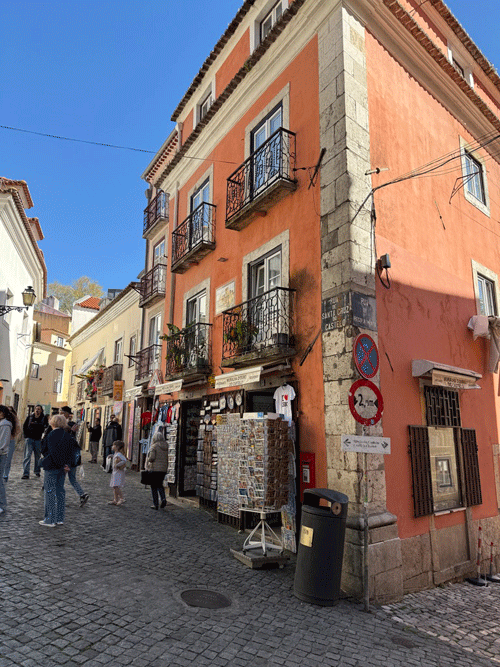
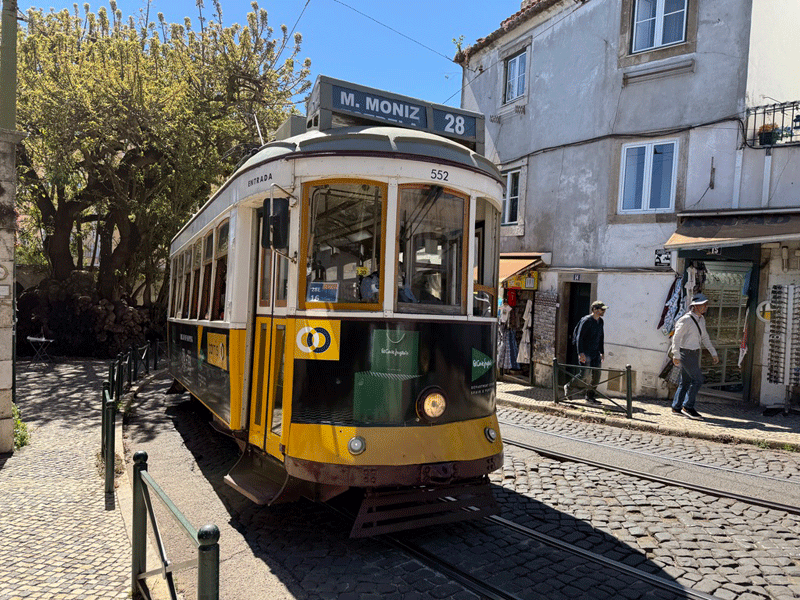
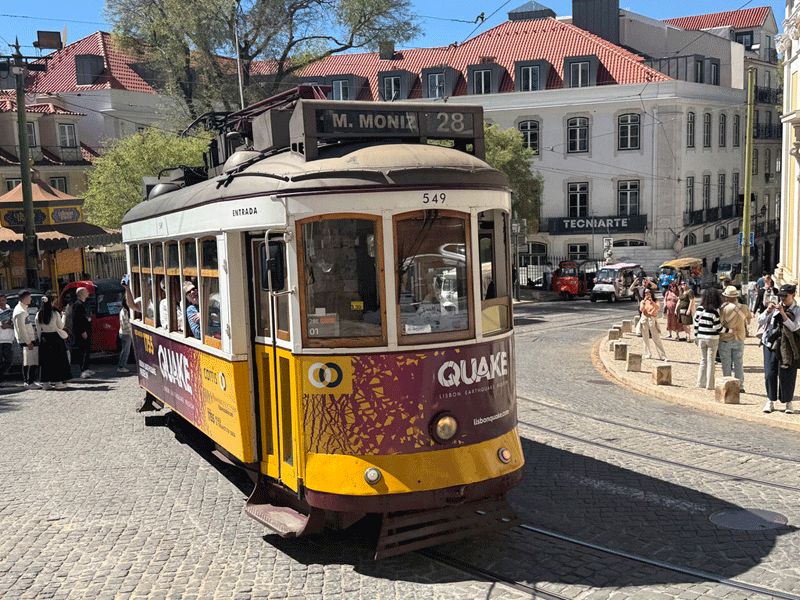
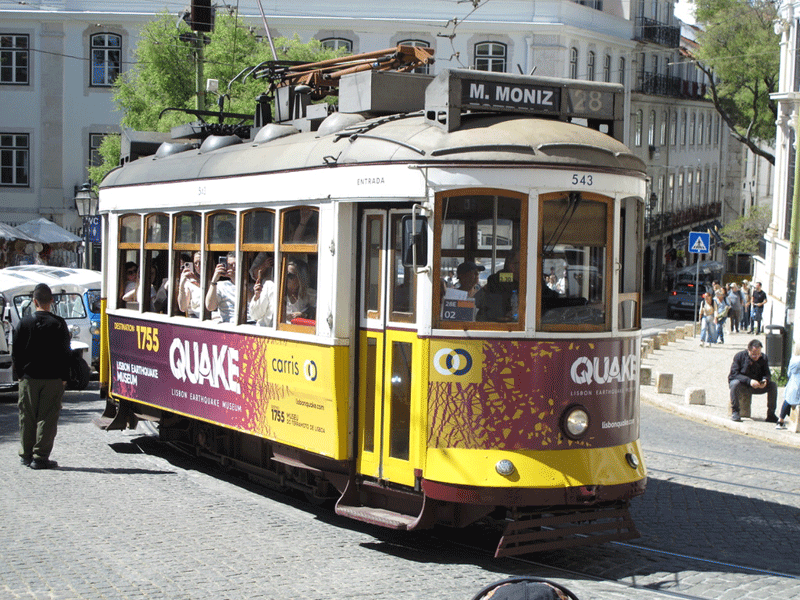
Today we visited Castelo de São Jorge. We walked down to the main square expecting to pick up Tram 28E, but unfortunately this tram stop had been temporarily suspended. The tram driver gesticulated that we should go further up the hill to another stop. We eventually found this stop, only to be met with a long queue for the tram. It was strange, as three trams were waiting to move on to this stop, but nothing was moving. It appears that the tram system does not have enough power, and at this time it was restricting the frequency of trams. I stuck my hand out to wave down a passing taxi, and fortunately it stopped. This saved us a long wait or the prospect of having to walk up the hill to the castle.
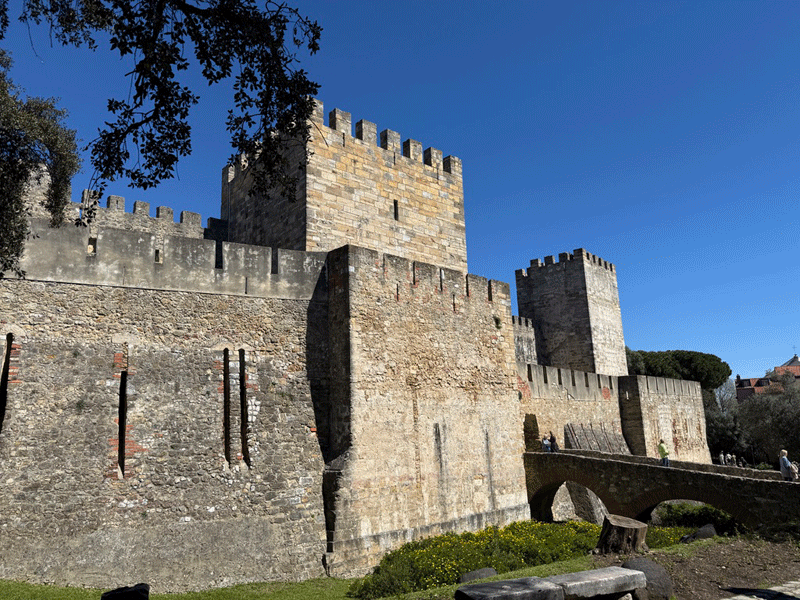
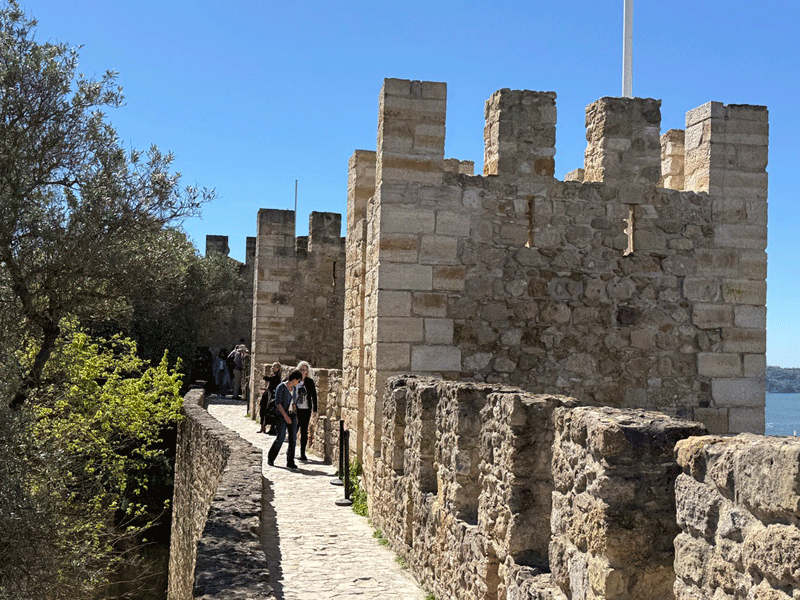
São Jorge Castle, sometimes known in English as Saint George's Castle, is located in the freguesia of Santa Maria Maior. Human occupation of the castle hill dates to at least the 8th century BC while the oldest fortifications on the site date from the 2nd century BC. The hill on which Saint George's Castle stands has played an important part in the history of Lisbon, having served as the location of fortifications occupied successively by Phoenicians, Carthaginians, Romans, and Moors, before its conquest by the Portuguese in the 1147 Siege of Lisbon. Since the 12th century, the castle has variously served as a royal palace, a military barracks, home of the Torre do Tombo National Archive, and now as a national monument and museum.
Description courtesy of Wikipedia |

This looked promising, as there was a 28E tram just behind the Belem tram
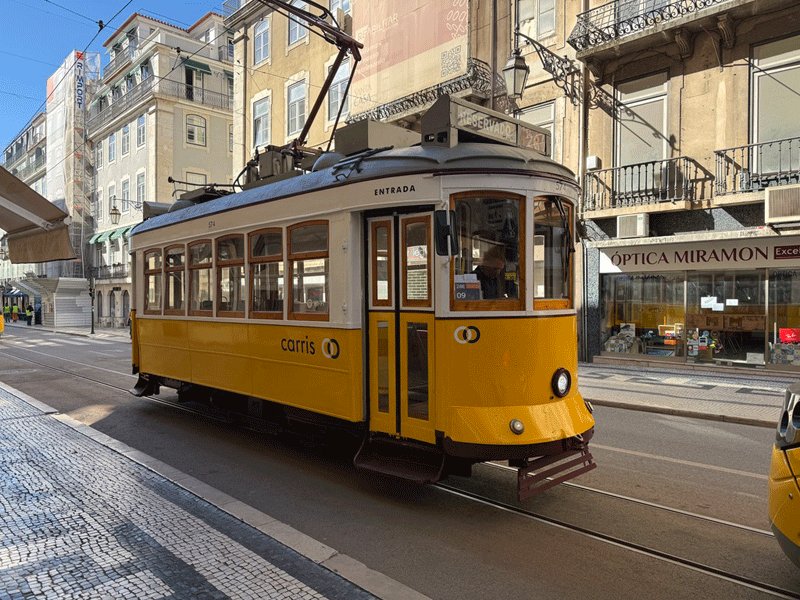
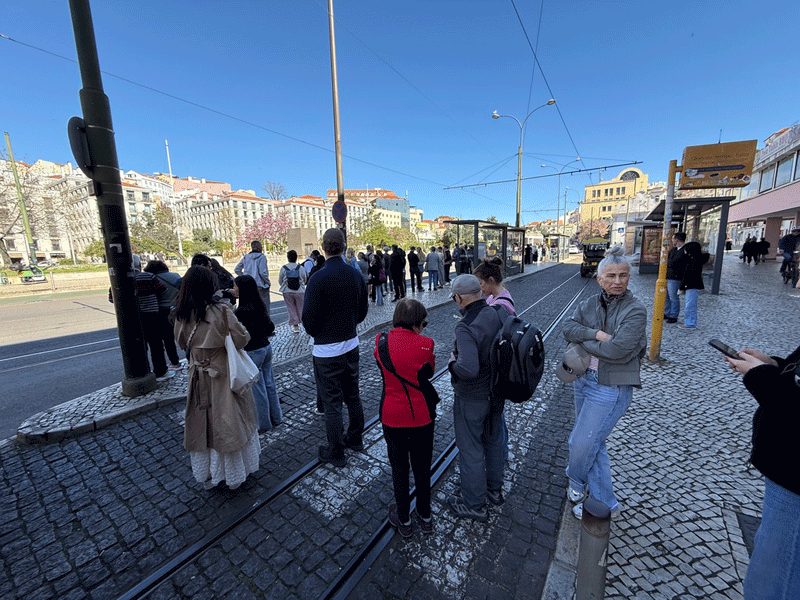
There was a long queue for Tram 28E
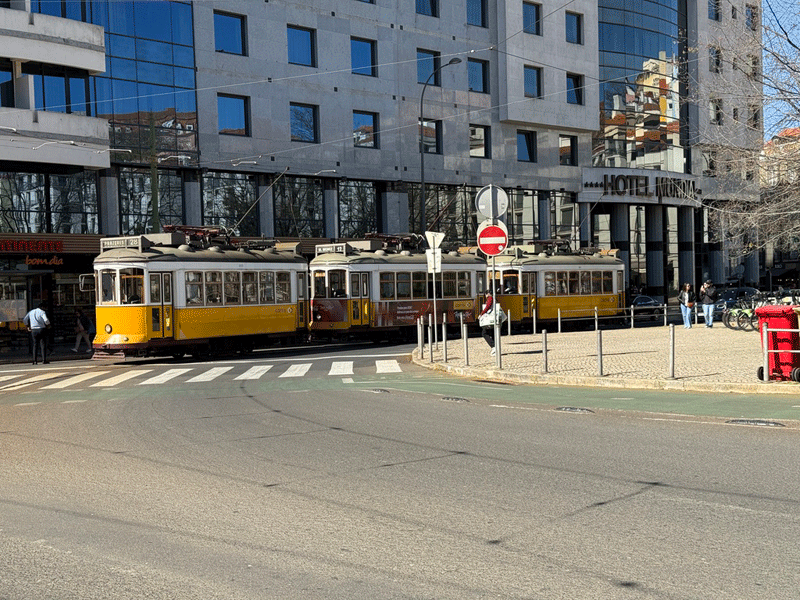
Three trams waiting, but no movement
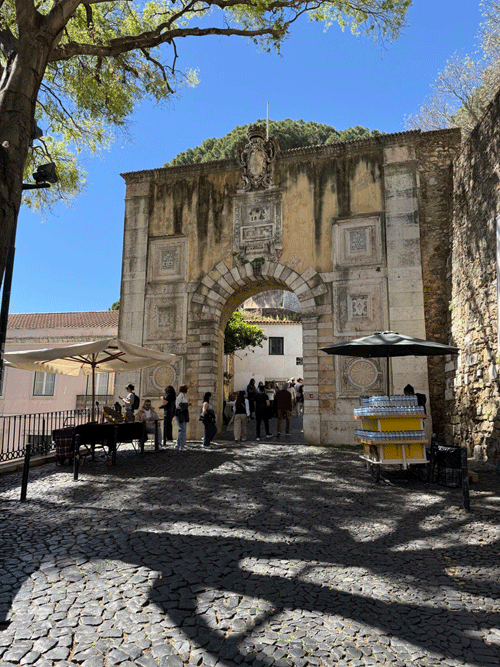
Entrance gate to the castle area
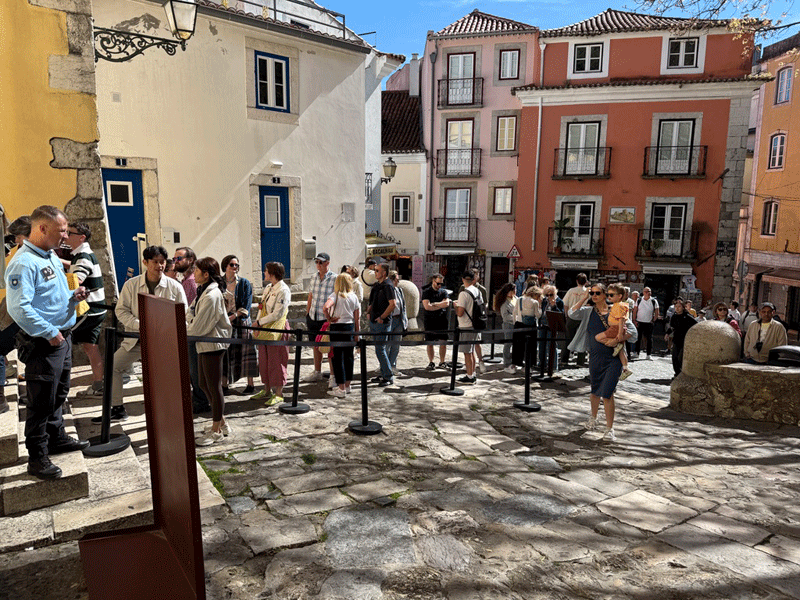
Another queue; this time to buy tickets to enter the castle.
What is it like in the height of the tourist season?
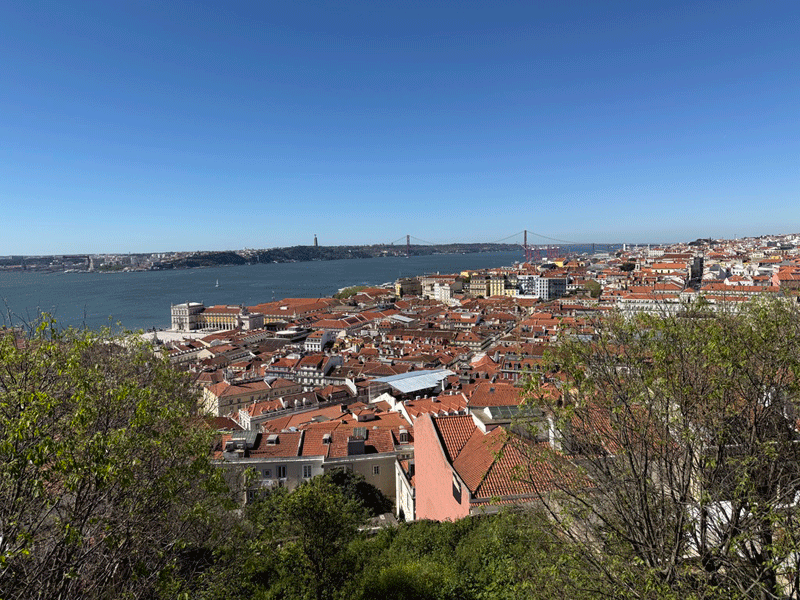
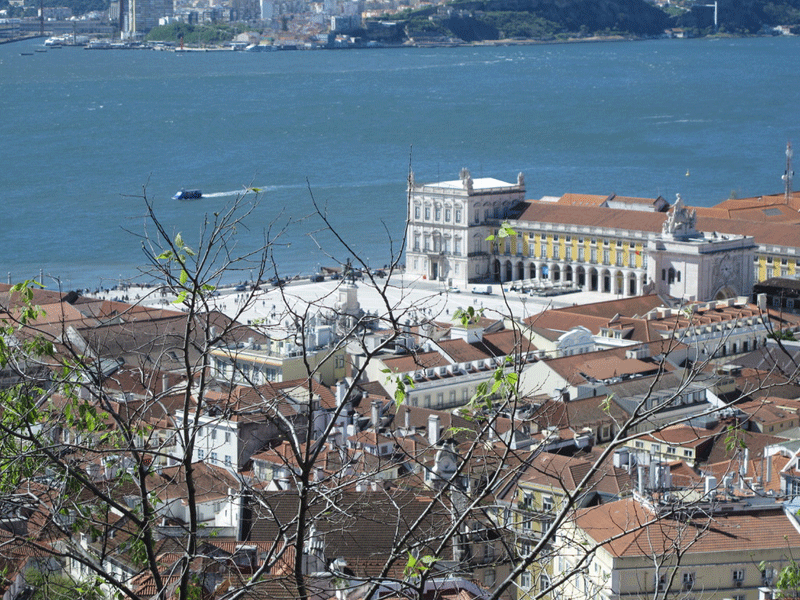
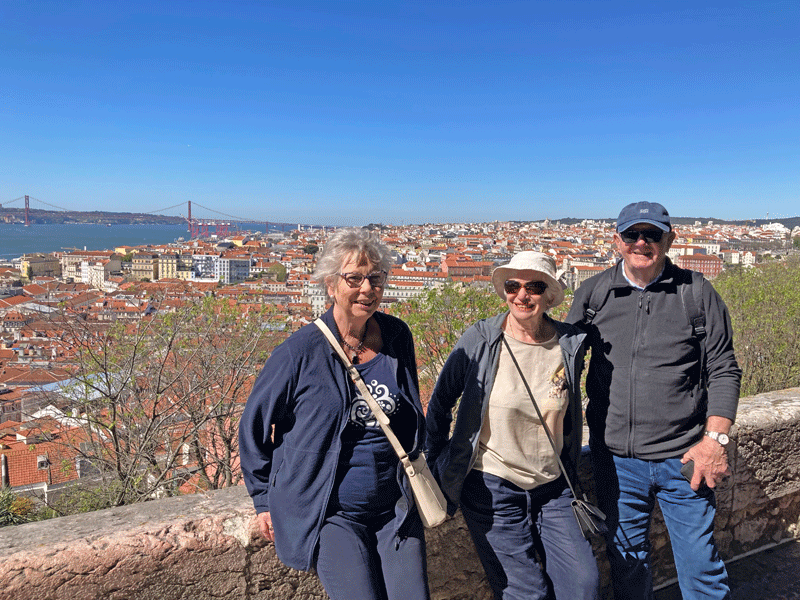
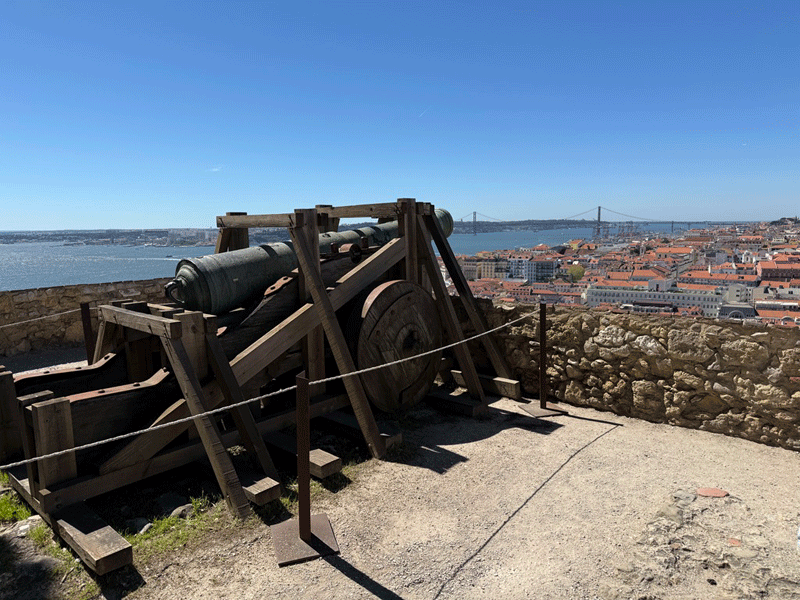
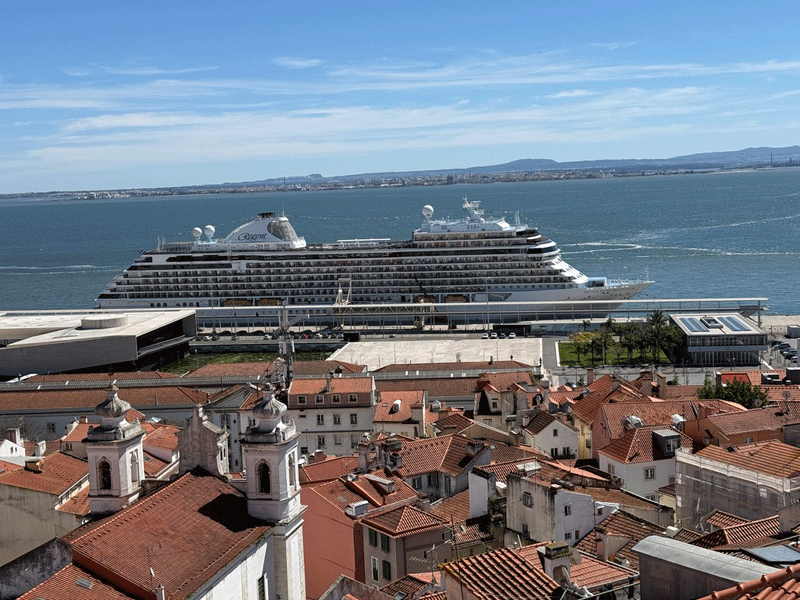
The view over the River Tagus
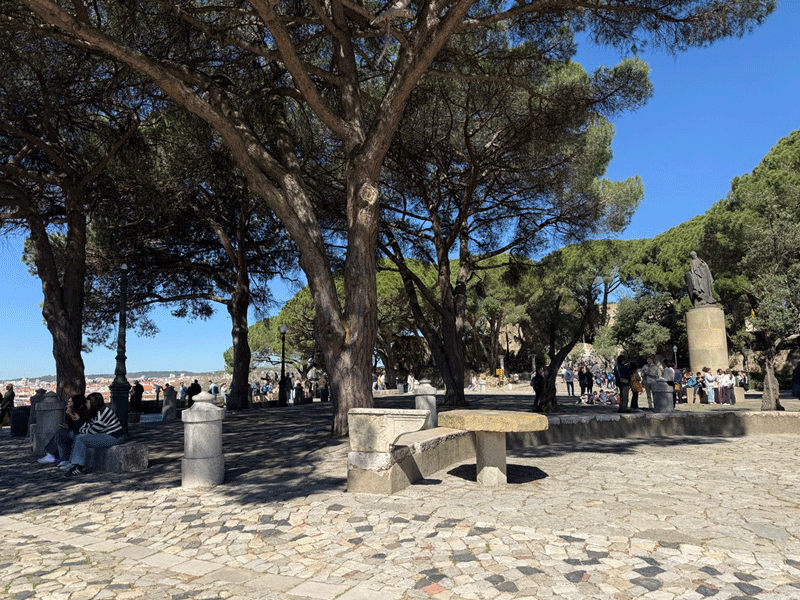
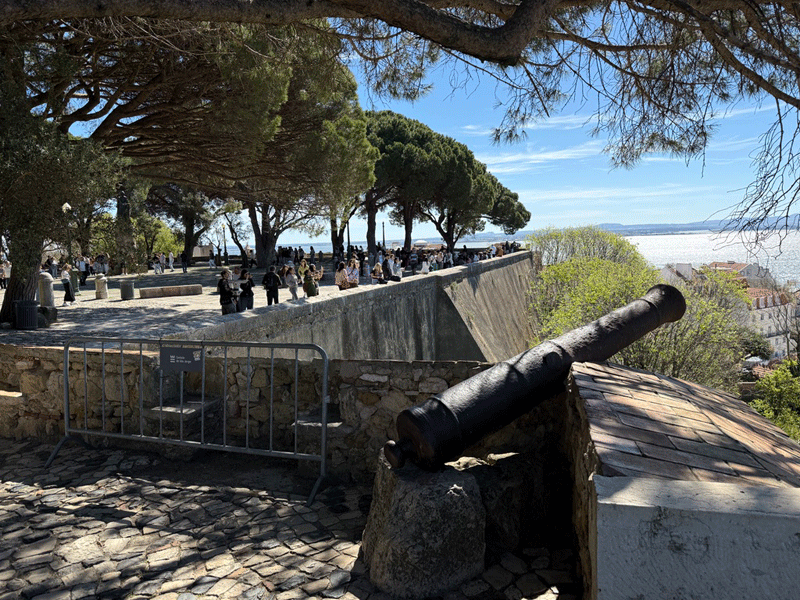
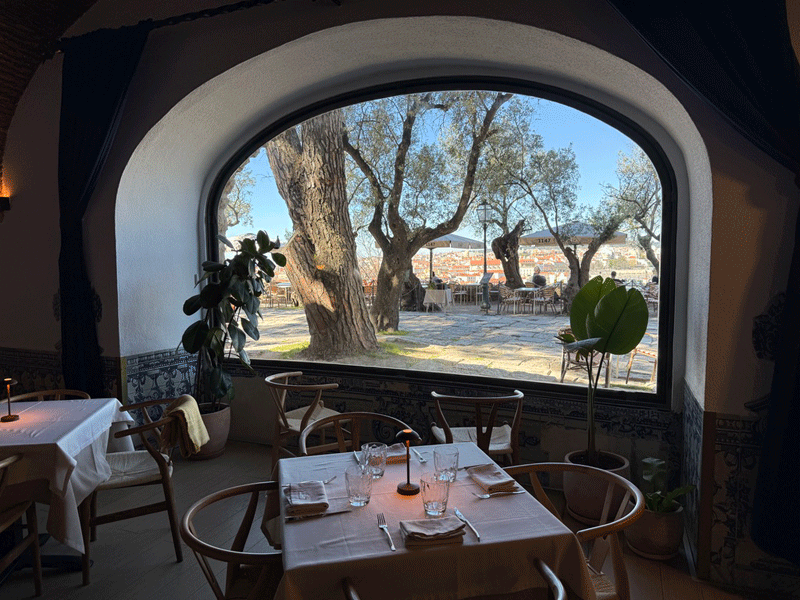
Time for a coffee!
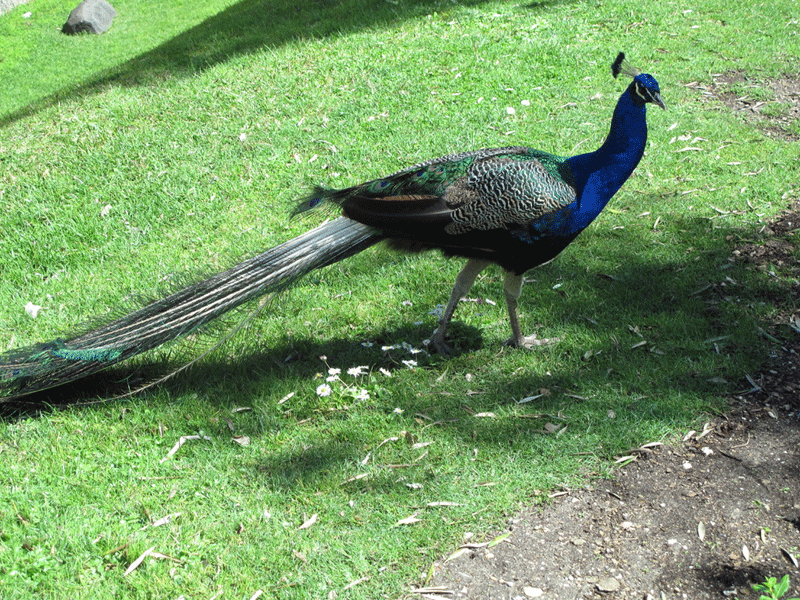
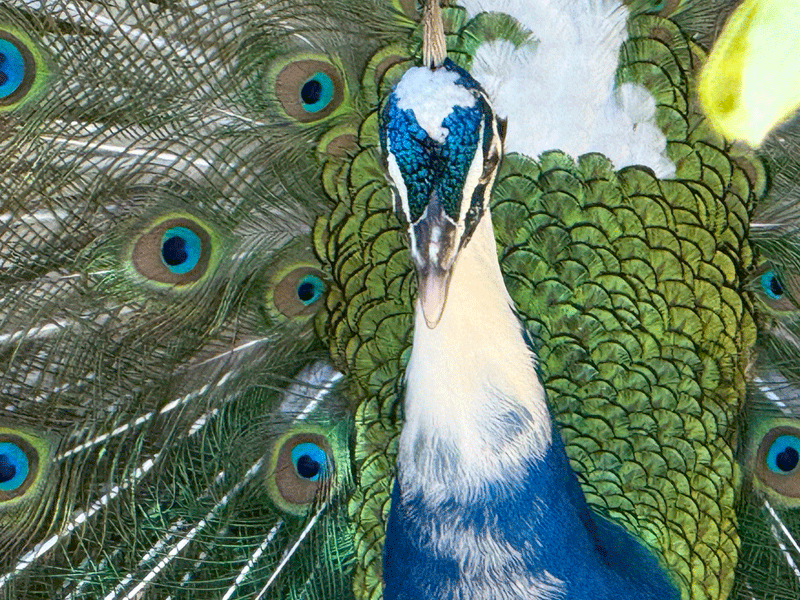
One of the many peacocks in the castle grounds

|
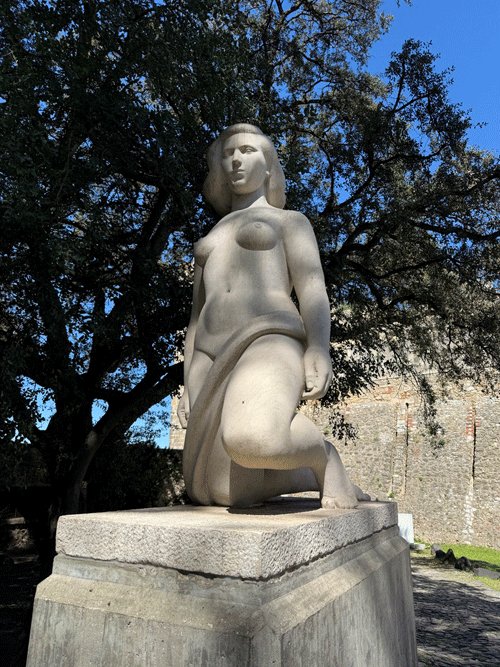
Castelo de São Jorge (Saint George's Castle) in Lisbon houses several notable statues, most of which represent key figures in Portuguese history or were relocated to the grounds during 20th-century restoration efforts. This lioz (local limestone) sculpture of a kneeling woman is located to the left of the main path leading into the castle. It was created by António Duarte in 1948 and was originally displayed in Jardim do Campo Grande |
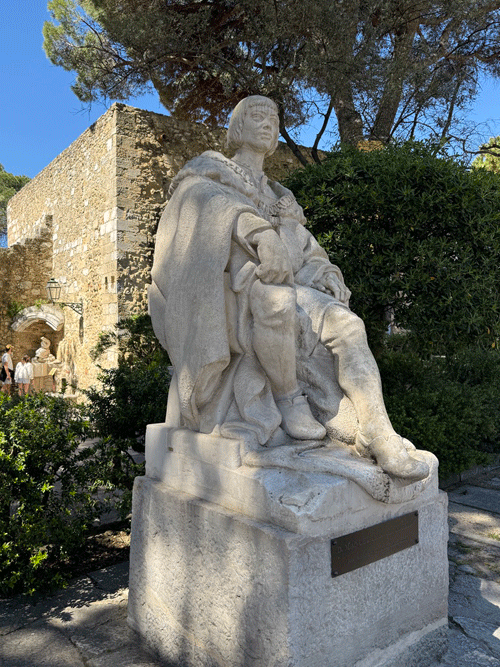
| King Manuel I: Located to the left of the Museum Centre, this limestone sculpture from 1933 depicts the seated monarch in royal robes. Created by Maximiano Alves, it commemorates the king who reigned during the height of the Portuguese Age of Discovery. |
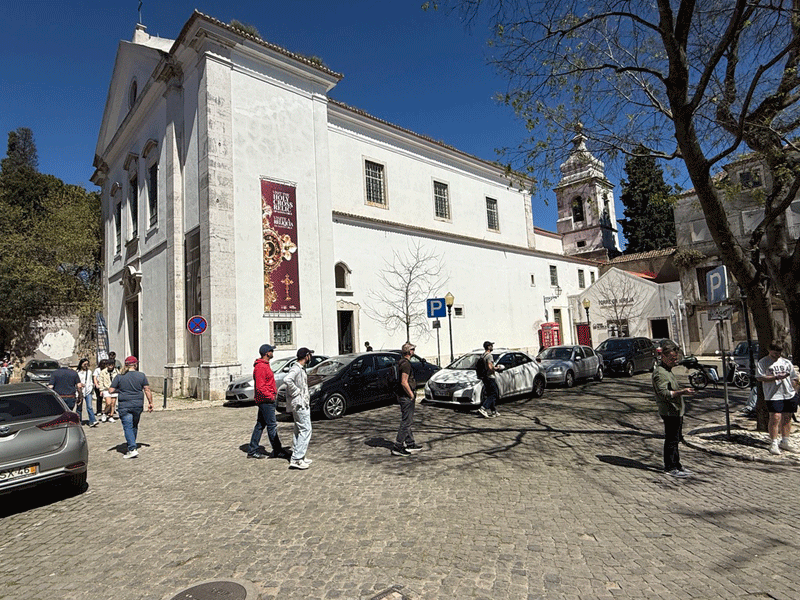
Igreja do Castelo
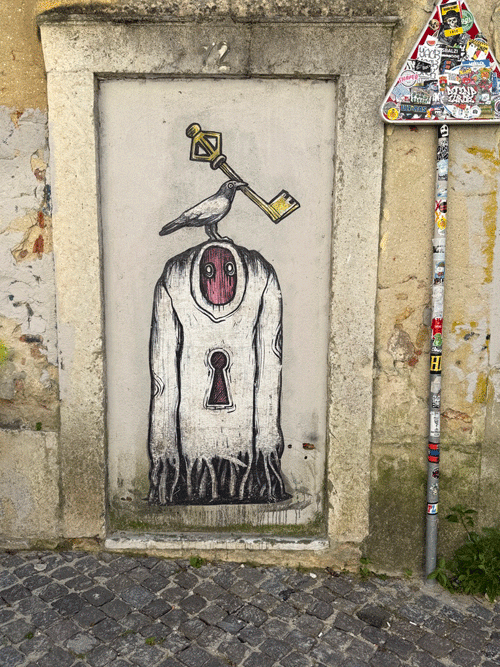
Portuguese Banksy?

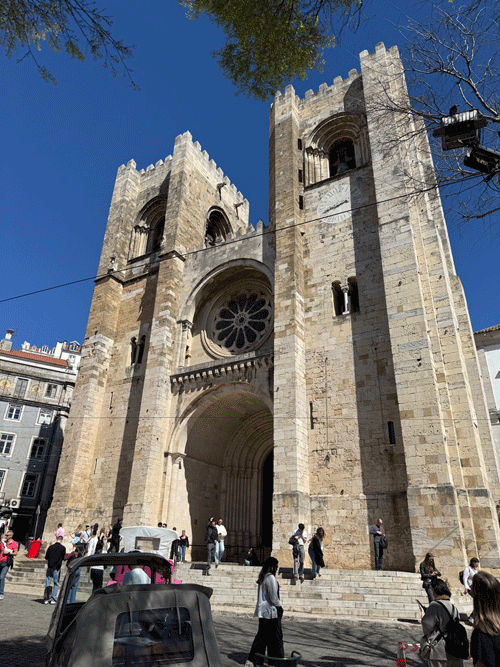
The Cathedral

|